Richard Hogan: Parents who scroll can’t call out their child’s phone use
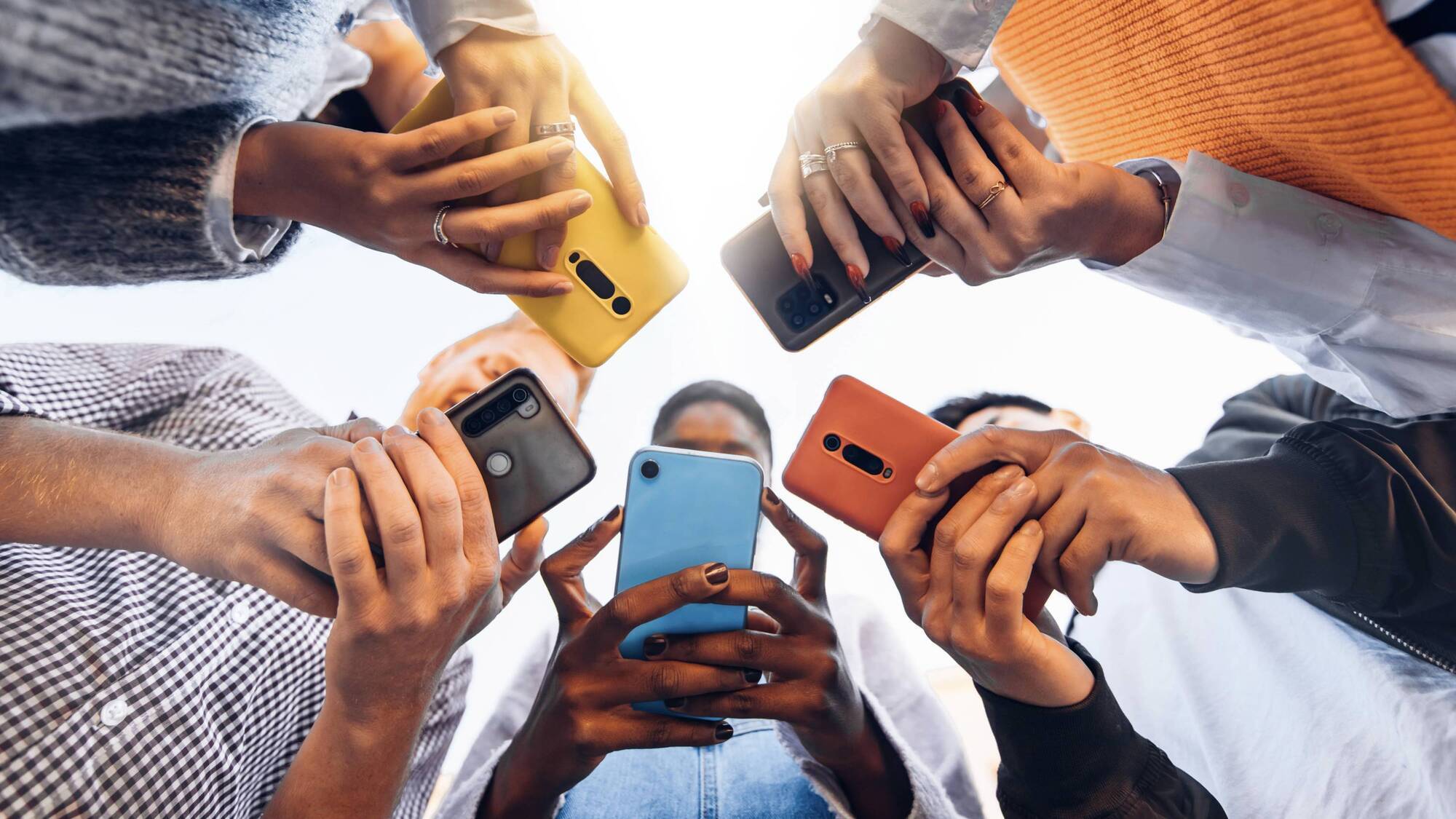
Irish parents must wake up from this slumber so our children can experience technology in a healthy way.
Just 23% of Irish parents feel that social media is harmful and has a negative impact on their child’s mood or anxiety levels, while 42% of teenagers surveyed explained that social media regularly made them feel more anxious.

Just 23% of Irish parents feel that social media is harmful and has a negative impact on their child’s mood or anxiety levels, while 42% of teenagers surveyed explained that social media regularly made them feel more anxious.

IRISH parents have some of the most positive views in Europe of their children’s relationship with technology, according to a Eurobarometer poll.

Some 53% of Irish parents believe social media has a positive effect on their child’s mental well-being.

This is more than twice the EU average of 21%. So, what does this study reveal? Are Irish parents deluding themselves? Are they more comfortable with a convenient untruth than their EU counterparts? Well, the research would suggest so.

Or maybe it points to our relationship with technology; maybe we, as adults, have normalised excessive use because it is convenient to do so.

I sit with many parents in my work, and I often ask them: What is your relationship with technology? I am met with silence.

I can see it in their faces; they have come to talk about their child’s bad habits with technology, but don’t want to discuss their own.

The greatest tool we have as parents is modelling. How we hold ourselves in the world, as adults, greatly impacts how our children will hold themselves in the world. 

Many teenagers utter a version of the following sentence in my clinic: "My Dad would wreck your head. He tells me to get off my phone, while he is scrolling on Instagram. He says he is looking at his emails for work, but I see what he is doing." 

It is almost impossible to have a healthy technology policy in the family with such hypocrisy. Teenagers will fight against it.

The difference between how parents and teenagers view the impact that technology has on their lives is telling. A meagre 23% of Irish parents feel that social media is harmful and that it has a negative impact on their child’s mood or anxiety, while 42% of teenagers say that social media regularly makes them feel more anxious. Now, that is something to consider.

There is a clear disparity between adults and children in their attitude to technology: 46% of children say they spend too much time on their devices, while only 34% of adults feel they spend too much time on them.

This is why our children struggle to have a healthy relationship with their phones. 

Irish parents don’t seem to realise, or want to realise, the damage that unlimited access to their phones is doing to their child’s mental health.

For years, we could use the excuse that we just didn’t know what was happening. The research is now there for us all to see. We have had whistleblower after whistleblower come out from big tech companies, telling us all how they are targeting our children with mechanisms that addict them to their platforms. We don’t need any more information; we all know it.

The former US surgeon general Vivek Murthy said that teenage girls are the loneliest group because their phones isolate them. I see this every day in my clinic.

Soft interpersonal skills, like small talk, have been eroded, because whenever people are uncomfortable, they can ‘disappear in to their phones’.

This is the shrinking of resilience. Teenagers describe to me every day in my work how lonely they are.

The principal of a secondary school where I spoke pointed out the noise in the canteen, and thanked me for it, because, before my talk there, they did not have a policy for phones and the school was silent at lunch. 

Phones have caused the silencing of adolescence. We must make it noisy again.

Child safety

MY daughter recently told me that she had viewed questionable material about diets when she was 14. She said her phone had become swamped with diet content once she viewed one video.

Luckily, she said, she could talk with her best friend about what she saw, and they both decided not to follow the information being recommended by some bogus influencer about how to look good for the summer.

Our children are being targeted all the time. Views and engagement are the game they are stuck in. Those recommender systems need to be overhauled immediately.

This should not be a political football; it is a child-safety issue. Every day, our children’s rights online are being denied.

Children are being sexualised earlier than ever. The Internet Watch Foundation discovered last year that out of 275,000 websites with images of children that were of a sexual nature, 92% were self-generated. Now, what more evidence do we need that our children are being sexualised earlier because of their exposure to technology? Once that innocence is gone, it is gone for ever. That has to end.

Irish parents must wake up from this slumber. It might be inconvenient, but we must face the truth.

Our government must take action to hold these companies to account. Once we do this, our children could experience technology in a healthy way. I’m not a dreamer; this can be achieved.

x

More in this section

Lifestyle

Newsletter

Eat better, live well and stay inspired with the Irish Examiner’s food, health, entertainment, travel and lifestyle coverage. Delivered to your inbox every Friday morning.

Cookie Policy Privacy Policy Brand Safety FAQ Help Contact Us Terms and Conditions

© Examiner Echo Group Limited