Louise O'Neill: 'Sometimes I go on Twitter and I lurk'
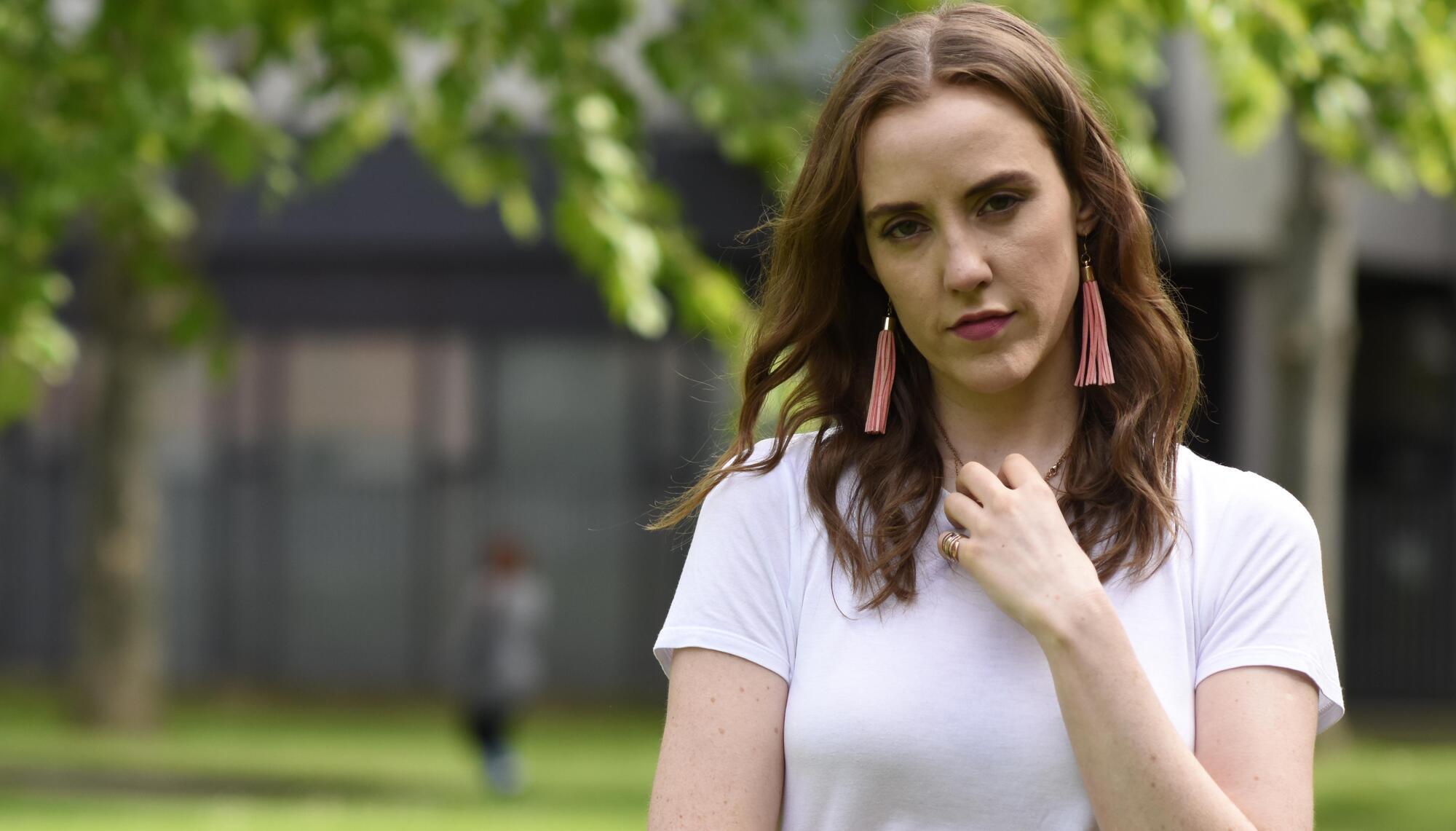
Louise O'Neill, author. Photograph Moya Nolan

You know this – I’ve said it many times before – but I’m not on Twitter anymore.
My partner runs my account and I don’t even have the password, lest the temptation to return become too much. But sometimes I go on the site anyway and I lurk. I type the big news story of the day into the search bar and I scroll down, recoiling slightly at the chaos once I step out of my carefully curated bubble.
Those denouncing face masks as an assault on our civic rights, the Trump supporters who genuinely believe that the election was stolen from them and that Biden – of all people! – is a socialist, the #AllLivesMatter accounts shouting about something, something, reverse racism. And whenever a story breaks about a male celebrity being accused of sexual violence, I go on to Twitter too. It’s like a form of self-harm, I think afterwards, unpicking a wound that’s barely healed over, pressing down on a fresh bruise.
It’s always the same. The fanatic fans of said celebrity, both male and female, declare it ‘impossible’ that this rape or assault could have happened, asking a million different variations on the same question – “why would they need to rape anyone? He’s rich/famous/handsome, he could have whatever woman he wanted,”, as if sexual violence has anything to do with sex, as if rape isn’t just another expression of entitlement.
Entitlement to take something that isn’t yours to take, entitlement to break another human being because you felt like it. I keep scrolling, confronted by a seething mass of hatred. She’s a liar. She’s a gold-digger. Convenient timing, don’t you think? She just wants his money.
Women lie about these things. Women lie.
Sometimes I want to reply to each and every tweet. I want to ask – why would they lie? Why would they open themselves up to this? Why would they want to be viciously trolled, to be called a c**t, a bitch, a whore? Why would they willingly tell this story, knowing that most people will doubt them? At best, call them confused and at worst, label them a liar?
Months of abuse and intimidation and doxxing, their identities exposed and passed around the darker, danker parts of the internet for sport. There’s a reason why sexual violence is still under-reported. Women are afraid they won’t be believed. They’re also afraid, as Sophie White writes in her incredible collection of essays, Corpsing, that there will be ‘consequences’ for the men involved and no one wants to ruin anyone’s life, do they?
(Except maybe yours, of course, as you deal with PTSD and the heavy shame that will plague you for years afterwards.)
Let’s look at the figures. Only one in four victims of sexual violence in Ireland report the crime. Only 10% of those will see the DPP prosecute because the burden of proof in these cases is so challenging. Of that 10%, less than 5% will see a conviction.
There’s a line in the new movie, Promising Young Woman, where a character says, “it’s every man’s worst nightmare, getting accused of something like that.” (The protagonist duly replies, “can you guess what every woman’s worst nightmare is?”) But the statistics around false rape allegations should allay any fears – they hover at around 4%, although a closer look would suggest the actual number is much lower, once you factor in victims withdrawing their claims due to distress or fear. In the extremely rare cases where false allegations are made, they tend to be vague and easily disproved, whether the accused is famous or not.
But ultimately, I’m so weary of this notion that victims who take cases against celebrities are doing so for the money. I don’t know many people who would willingly put themselves through such an ordeal – being torn apart online, your family put in danger, your personal life combed through for anything that can be held up in court to prove you were a willing participant in your own rape – as some sort of cash grab. More to the point, though, why shouldn’t victims receive compensation? If you were injured in a car accident and the other driver was drunk or negligent, would you feel reluctant to claim off their insurance in case you were labelled a gold digger?
Who would you expect to pay for your medical bills? And why do you think these women, many of whom will require years of expensive therapy to process their trauma (not to mention the loss of earnings if they’re unable to work) should have to shoulder that financial burden alone? This is real life. There are consequences for bad behaviour, no matter how successful or beloved a public figure you are. If you hurt someone, you make amends. And for many of these celebrities, forcing them to open their wallet is the only way to ensure they will feel remorse for the pain they have caused.
I, like many other Irish people, fell head over heels in love with Tolü Makay after watching her spellbinding performance of The Sawdoctor’s N17 on New Year’s Eve. What a voice!
If you miss the theatre, check out the live stream production of Happy Days starring Siobhán McSweeney. It’s on tonight [January 30]. landmarkproductions.ie