Louise O'Neill: If I was a fat woman telling the same story, would people want to hear me?
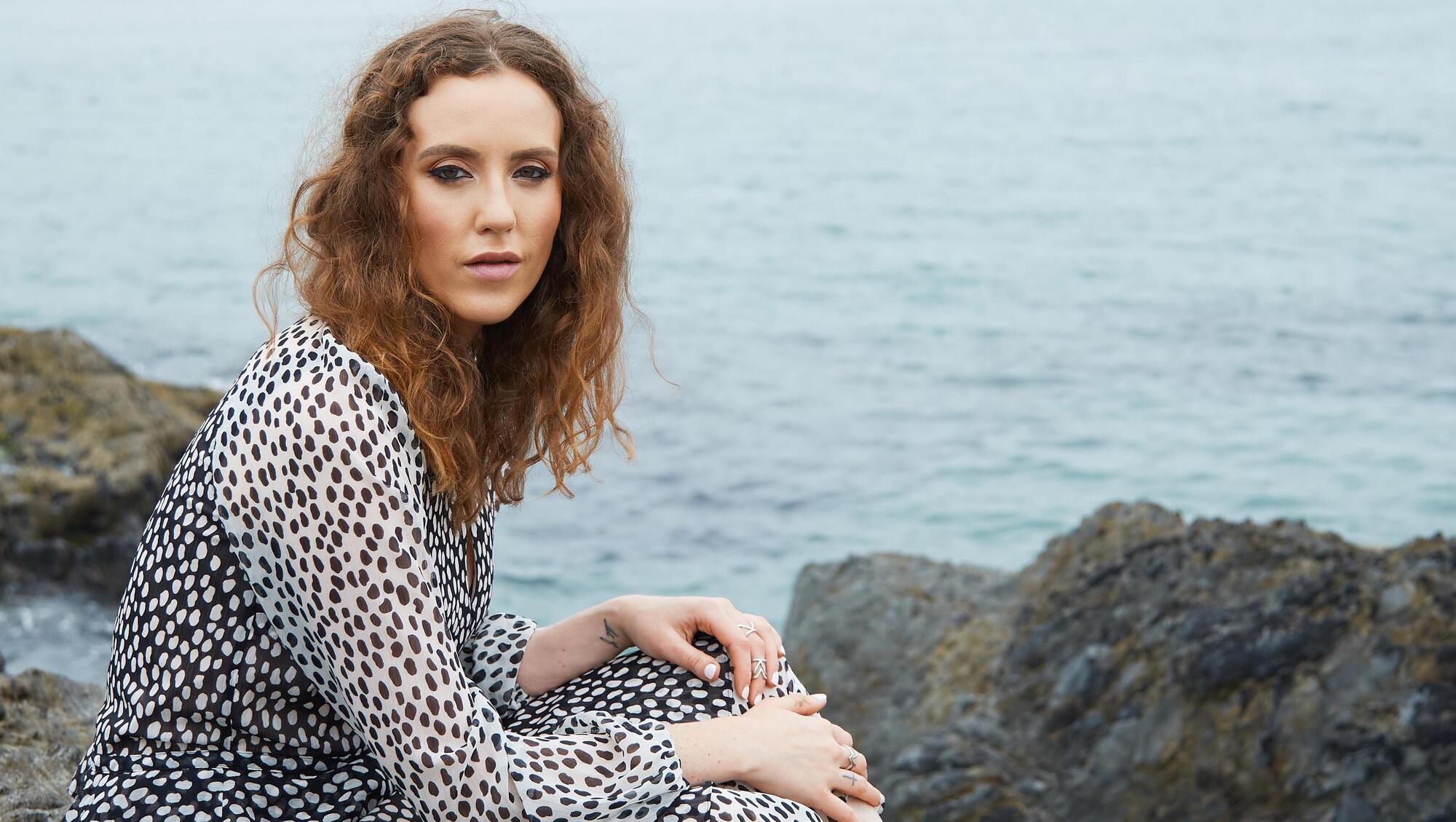
Picture: Miki Barlok

Before I started writing my third novel — in which I had initially decided to have a fat protagonist — I put a call-out on social media saying I wanted to speak to fat women about navigating the world in a bigger body.
The women who responded to me were incredibly generous with their time and I was blown away by their honesty, but as I listened to their stories, I felt increasingly uncomfortable with writing the book as planned. I realised that I had conflated my own experience of anorexia and bulimia with being fat, assuming the discomfort and self-loathing that I had endured would be similar.
This was problematic on many levels; for one, being fat is not an eating disorder and two, not every fat person hates their body the way I did, no matter how much the world might like them to do so. (To be clear, I’m not saying an author can’t write about something with which they have no experience but you do need to be very clear about your motivations, particularly if it’s about a marginalised community.)
The more fat women told me about what they had gone through, the discrimination, the abuse, the assumptions made about their medical histories or their character, the more I understood that no matter how difficult it had been for me — and my eating disorder had been difficult, it had threatened to ruin my whole life — I had never been punished by society for my illness.
On the contrary, I had often been validated, my body commented on in positive terms despite the torture I inflicted upon it. Even now, when I have been in recovery for almost four years, I have to acknowledge my own privilege as someone who has recovered in a thin body.
The truth is that people are more willing to listen to me talk about anorexia and bulimia because I am still thin. The reality of living in a fat-phobic culture means my thinness inherently makes the story of my eating disorder and recovery more palatable. If I was a fat woman telling the same story, would people want to hear me?
I’ve been thinking about this subject a lot this week because Louise McSharry spoke so eloquently on her Instagram Stories about how the lack of size inclusivity in the new Simone Rocha X H&M collaboration was, “one of the ways, albeit a minor one, that there’s a difference between people who actually live lives in fat bodies and people who hunch over the internet to show you their ‘rolls’ in the name of ‘body positivity’.”
Such comments inevitably attract criticism, people in her mentions centring their own body image issues, detailing how pics of size 12-14 influencers displaying their cellulite has helped them feel more comfortable in their own skin. But these criticisms are entirely missing the point. Of course, it’s important that we all find some level of body acceptance; especially as women who have often been trained to hate our bodies from a very young age. There is an urgent need for a robust critique of diet culture and the normalisation of bodies that don’t resemble Victoria’s Secret models, and I’m grateful to the women who are doing so.
But Body Positivity as started as a radical movement by fat, mostly black women in the late 60s, with advocates protesting capitalism and anti-fatness and I cannot imagine how frustrating it must be to see that co-opted and re-packaged, sold back to the masses by whiter, thinner bodies.
As Rebecca Jennings wrote in a piece for titled 'The Paradox of Online Body Positivity', “making people feel better about their own bodies is an easily marketable goal because it is a toothless one: As fat activists have always acknowledged, the issue isn’t that marginalized people have failed to love themselves enough. It is everything else that comes with being a fat person: the stigma that begins in a childhood where nearly half of 3- to 6-year-old girls say they worry about being too fat and other kids in the same age range describe their bigger classmates as “stupid” and “lazy”; the rampant bullying not only from strangers on the street or the internet but from family and romantic partners; the prejudice from hiring managers who discount candidates based on weight alone, and from doctors who fail to take seriously immediate medical problems until a patient has lost weight".
In the same piece on , Hannah Fuhlendorf, a fat liberation advocate, adds that when activists try to talk about fat acceptance, the conversations often get derailed by people wanting to talk about self-love and body dysmorphia, to the tune of “skinny people feel bad about themselves, too! It completely dismisses the real issue, and totally shuts it down from being a systemic issue to a personal issue".
We need to understand that true body positivity is about dismantling societal structures that harm fat people while simultaneously blaming them for that harm, not about making the rest of us feel better about gaining a few pounds over Christmas. As a TikTok user called @jordxn.simone said: “Long story short, skinny people are talking about acceptance, fat people are talking about liberation.”
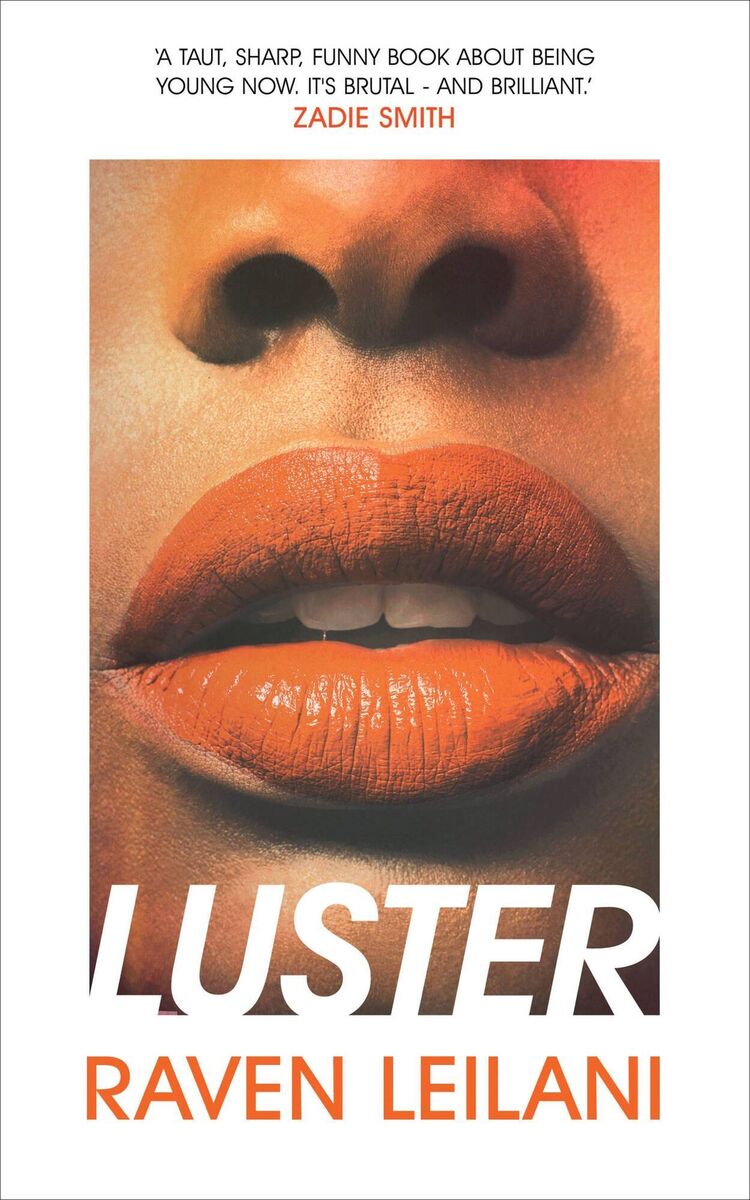
Read: by Raven Leilani. A black woman in her 20s gets involved with an older man in an open marriage. Razor-sharp and brutally frank about sex, race, and class, Raven Leilani is about to become your new obsession.
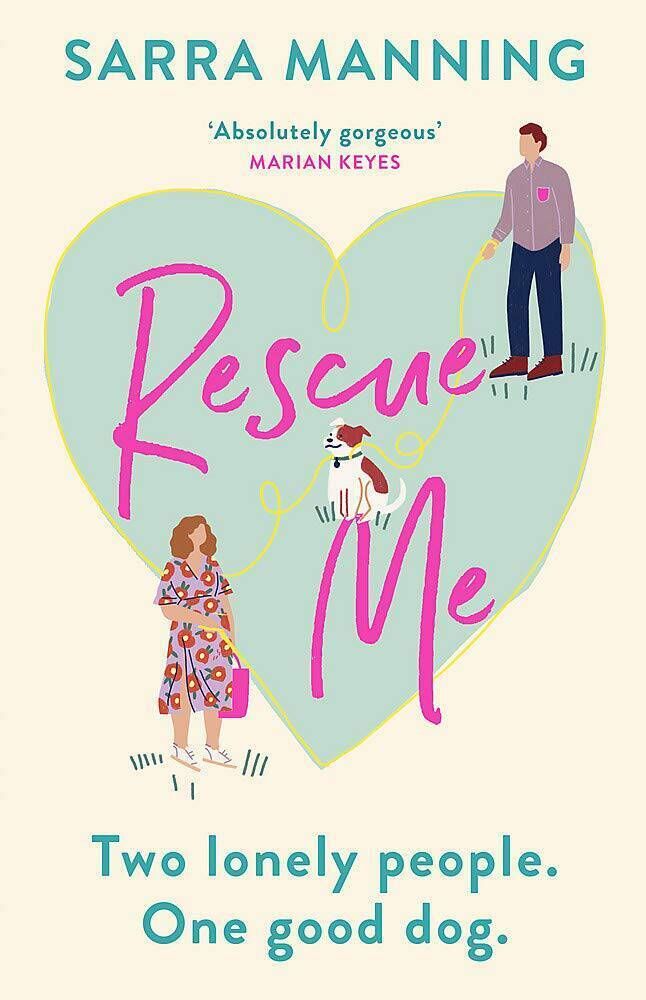
Read: by Sarra Manning. One man, one woman, one rescue dog. Uplifting, tender, and heart-warming, this is a delight.