Wine with Leslie: Let’s talk about wine and sustainability
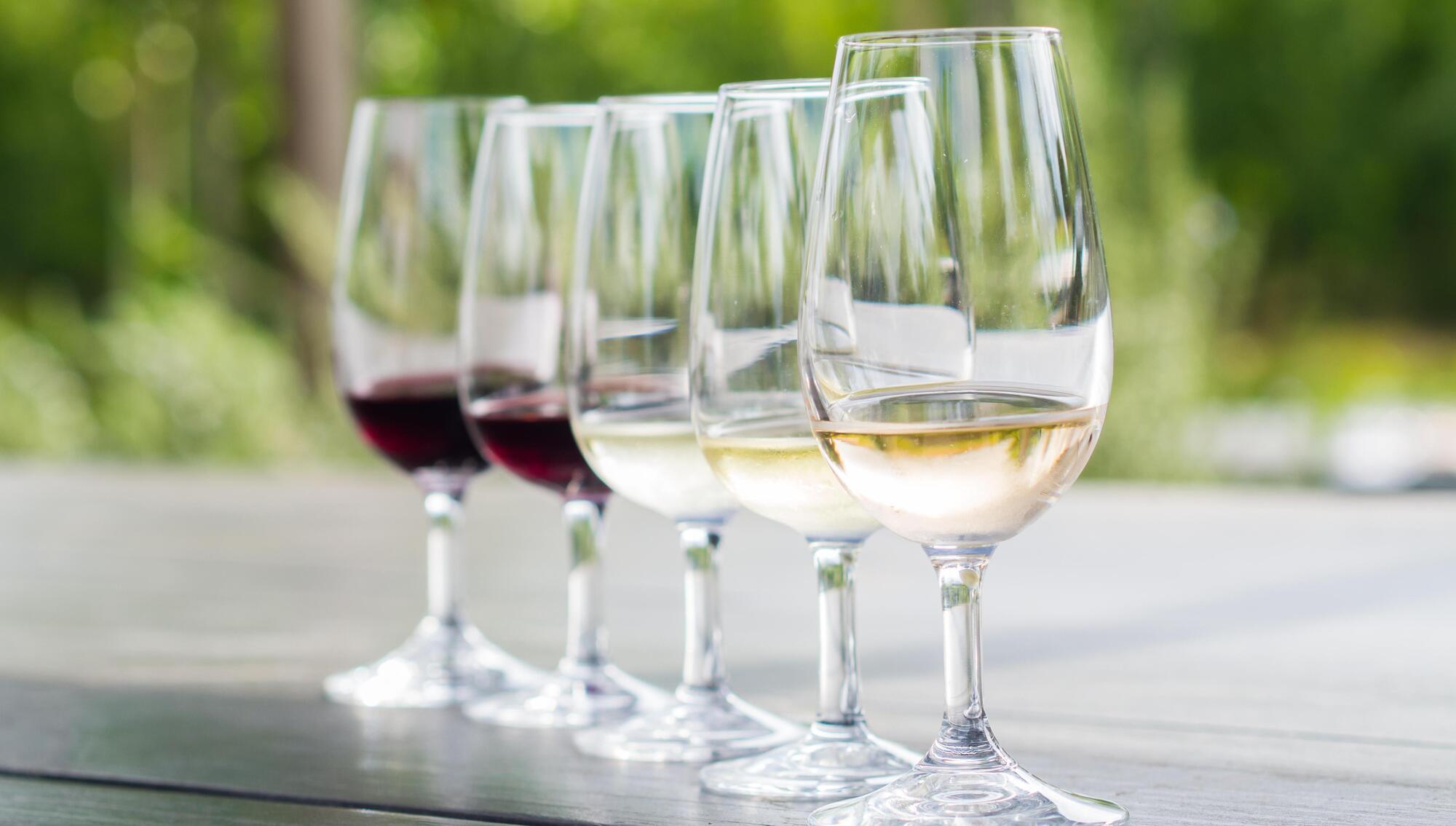
Sustainability will be a watchword for wine in the future.
In keeping with theme this week let’s talk about Wine and Sustainability. As wine lovers we imagine that growing grapes is less damaging to the environment than industrial agriculture - the truth is more complicated.
Remember that grapes are a monoculture and that the vine is a highly sensitive plant that is very susceptible to disease and needs constant interventions. In conventional viticulture, this often means spraying regularly, whether the vines need it or not. In organic viticulture, vines need to be sprayed even more often, which leads to increased use of diesel and other potential damage to soils - e.g. copper damage from Copper-Sulphate to prevent mildew. France’s vineyards make up 3% of land use but they use 20% of pesticides, few established wine regions fare much better.
But don’t despair, the wine industry has gone through notable changes in the last two decades. Organic viticulture has blossomed, 75% of Chiles's vineyards are now sustainable, almost 100% of New Zealand’s, and producers and governing bodies in every region you have heard of are hyper-aware of the issues.
Organic and Biodynamic viticulture are excellent solutions for smaller growers, but if we expect the wine industry to survive at all levels we need a range of options. Organic viticulture is more suited to dry southern regions (e.g. Sicily) than damper northerly ones, but remember that southerly regions are now struggling with scorching temperatures. And of course, organic grapes are costly to produce (50-75% more), and consumers are very price sensitive.
In 2001 France introduced the HVE sustainability scheme (‘Haute Valeur Environnementale’) which has been enthusiastically embraced by vine growers (I believe the uptake is now at around 50% nationwide). HVE focuses on biodiversity, monitors treatments, carbon and water use, and even working conditions - and for larger scale producers makes much more sense than simple organic viticulture. Most EU countries have similar schemes.
CLIMATE & SUSTAINABILITY HUB
So what can we do? Read the back label is my first advice, and remember that half the carbon footprint in wine comes from transport and packaging - trucking from Italy may be worse than shipping from New Zealand. Personally, I would also love to see an ‘en-vrac’ system for everyday wines like the ‘on-tap’ one that WineLab.ie offer in Clontarf Wines and WinePair in Dublin.
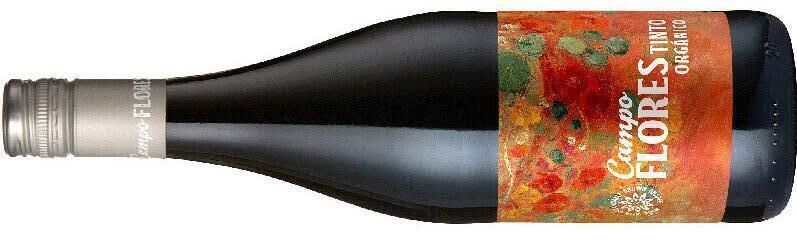
From La Mancha in the central plain of Spain from old bush vines on sandy-chalk soils in an unforgiving climate where few bugs can survive - grapes are about the only thing that can. A blend of 80% Tempranillo and 20% Syrah this is lively and juicy with good weight and fruit. Serve a little cool for best results.
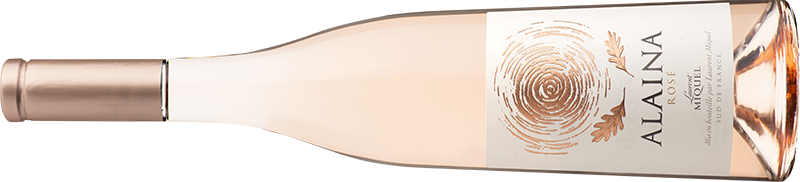
This is reduced from €17. Laurent Miquel is fastidious about farming sustainably for the future (he’s the eighth generation), and actually moved away from organic certification towards the sustainable HVE system. Laurent and his wife Nessa named this for their daughter Alaina. A blend of Syrah, Grenache and Cinsault, floral, strawberry aromas, fruity and textured with weight, lively crisp acidity, and a tang of red apple skins on the finish.
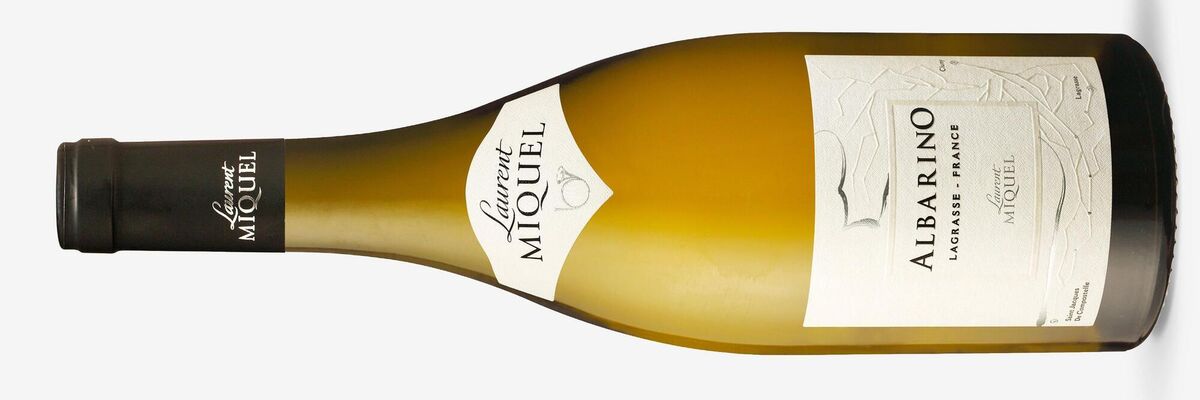
Another from Laurent Miquel whose vineyards I’ve visited several times and who show how a relatively large producer can be sustainable and still make great wines at an affordable price. LM were the first to grow Albariño in the Languedoc and as the vines mature the wine just gets better - peaches and apricots, creamy rounded textures and a zingy pristinely fresh finish.
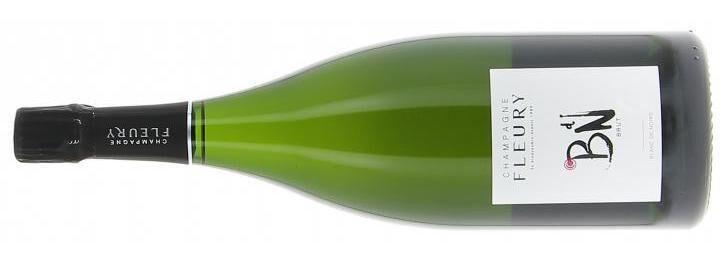
Organic Champagne is rare given the difficulties of growing organically so far north but Fleury have managed it since the 60s. From 100% biodynamic Pinot Noir with a low dosage of 5.5 grams this has gorgeous white peach and brioche aromas, rounded savoury complexity, a lively mousse and a delightful zesty freshness. Stunning.
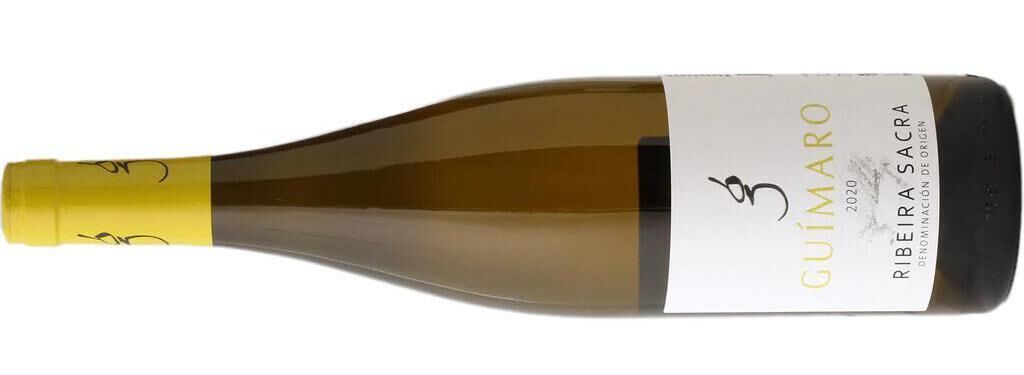
I can still taste the Queen Scallops I ate with this wine in Santiago de Compostela last Summer (not to mention the Galician beef I ate with their Mencía). Mainly Godello, this has herbal lemon and papaya aromas, tropical & citrus fruits intermingling on the palate, supple and textured - a proper treat.
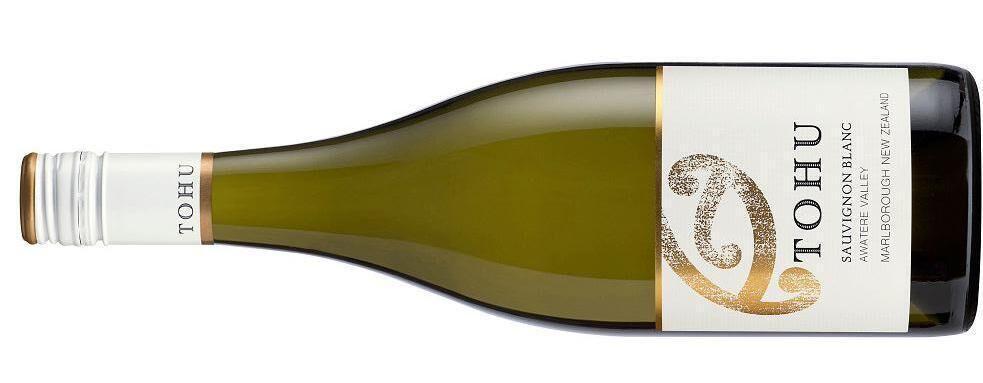
Toho and sister brand Kono were the first Maori owned wineries in New Zealand and guardianship of the land is central to everything they do and everything they are. From the Southern Awatere Valley this has passionfruit and guava aromas mixed with apple and lemongrass, fruity and layered, balanced and delicious.
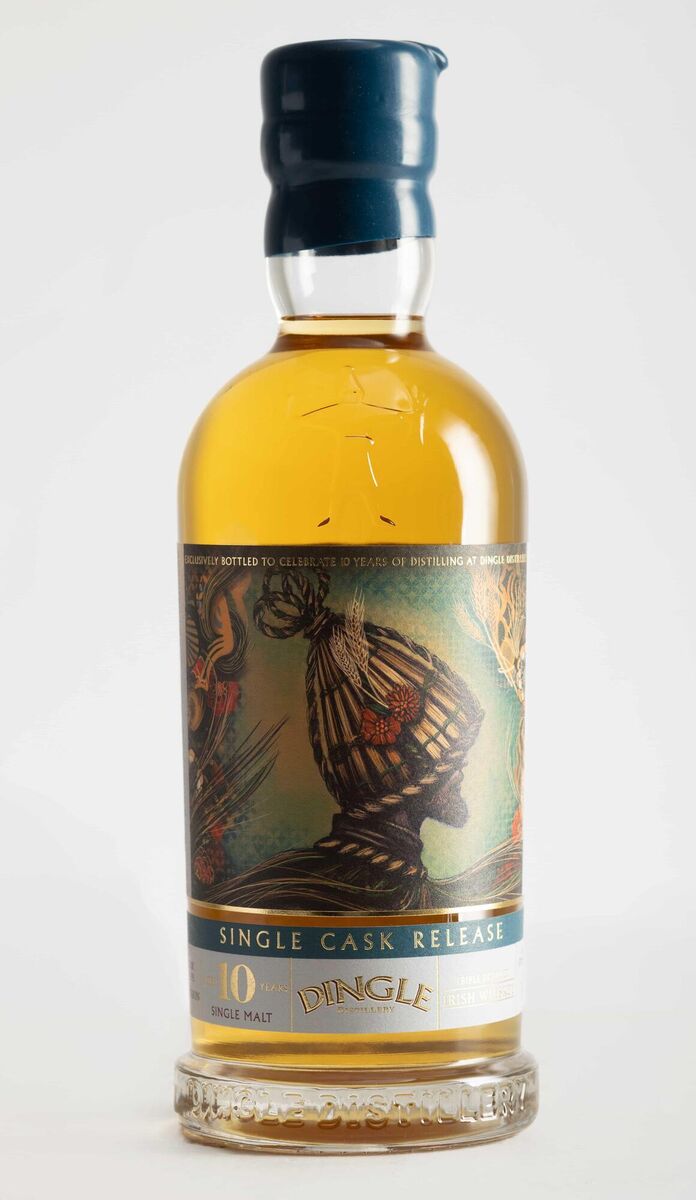
On December 18, 2012 the very first Dingle whiskey casks were filled with freshly distilled new-make. Ten years later we can now see how that liquid tastes having spent ten years in an ex-Bourbon cask. This is the first 10-year-old whiskey release by an Irish craft distillery in over 100 years using its own liquid.
Just 237 bottles are to be released so this is properly rare (and if it doesn’t at least you can drink it, unlike BitCoin). Pouring a light gold with lime-lemon honey and butter aromas - creamy and nutty on first sip, pepper hits on the mid-palate, and the finish leaves nutmeg and demerara. Fascinating.