Fed up with food waste? FoodCloud can help
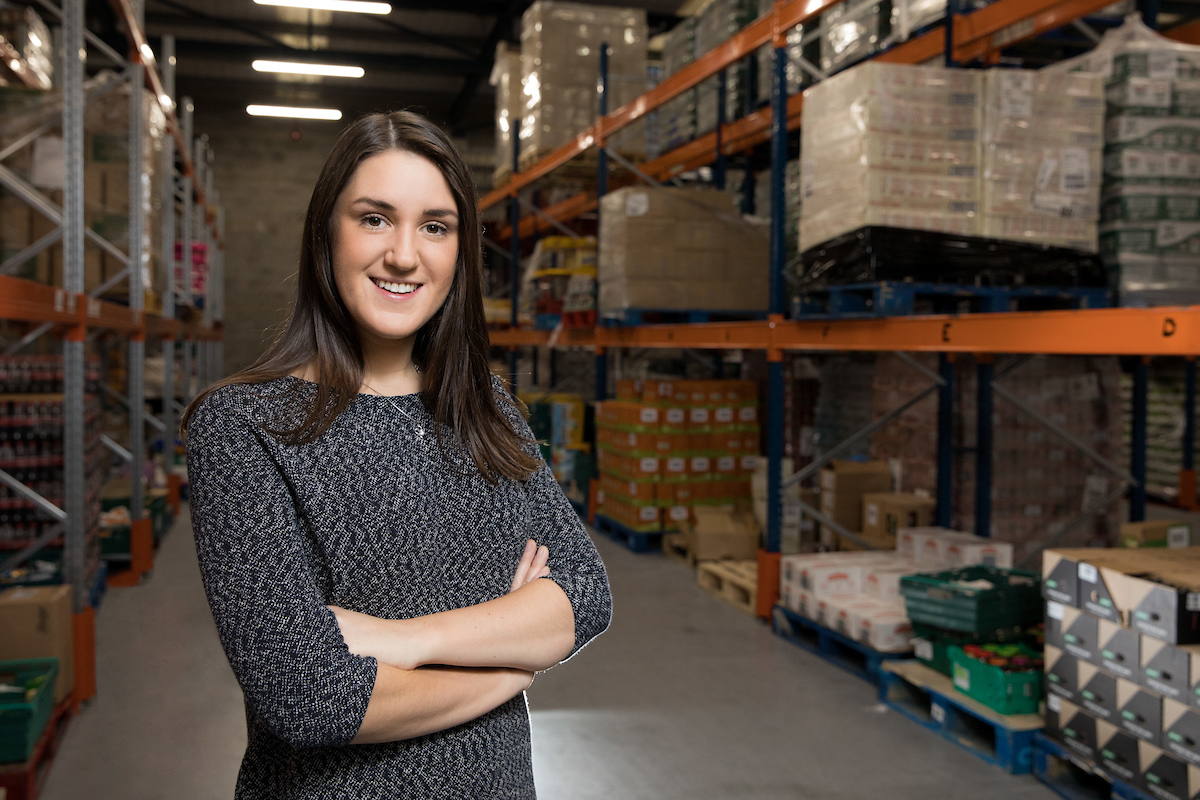
Iseult Ward, Co-CEO of FoodCloud. Picture Naoise Culhane
Food waste causes more greenhouse gas emissions than air travel. This is because one-third of the food produced for human consumption does not make it to our plates, according to the UN’s Food and Agriculture Organisation. All that wasted food generates between 8% and 10% of the world's total human-induced greenhouse gas (GHG) emissions. In comparison, the global aviation industry produces 2-3% GHG.
It’s a sobering fact and one that the judges of the 2022 IMAGE PwC Businesswoman of the Year Awards may have had in mind when they gave the Sustainability Champion of the Year award to Iseult Ward, CEO and co-founder of social enterprise FoodCloud.
Ward sees this new sustainability category as an exciting development.
“FoodCloud has been around since the start of 2014 and we’ve had the privilege of seeing more and more organisations with a core focus on sustainability.
“Even being shortlisted in this category is a great opportunity to highlight the businesses. From our own experience [FoodCloud received the overall IMAGE Businesswoman of the Year Award in 2017], that additional bit of credibility and recognition is important. The IMAGE awards are very well known, with strong prominent judges, and it can make a real difference when you’re looking for financial donors.”
CLIMATE & SUSTAINABILITY HUB
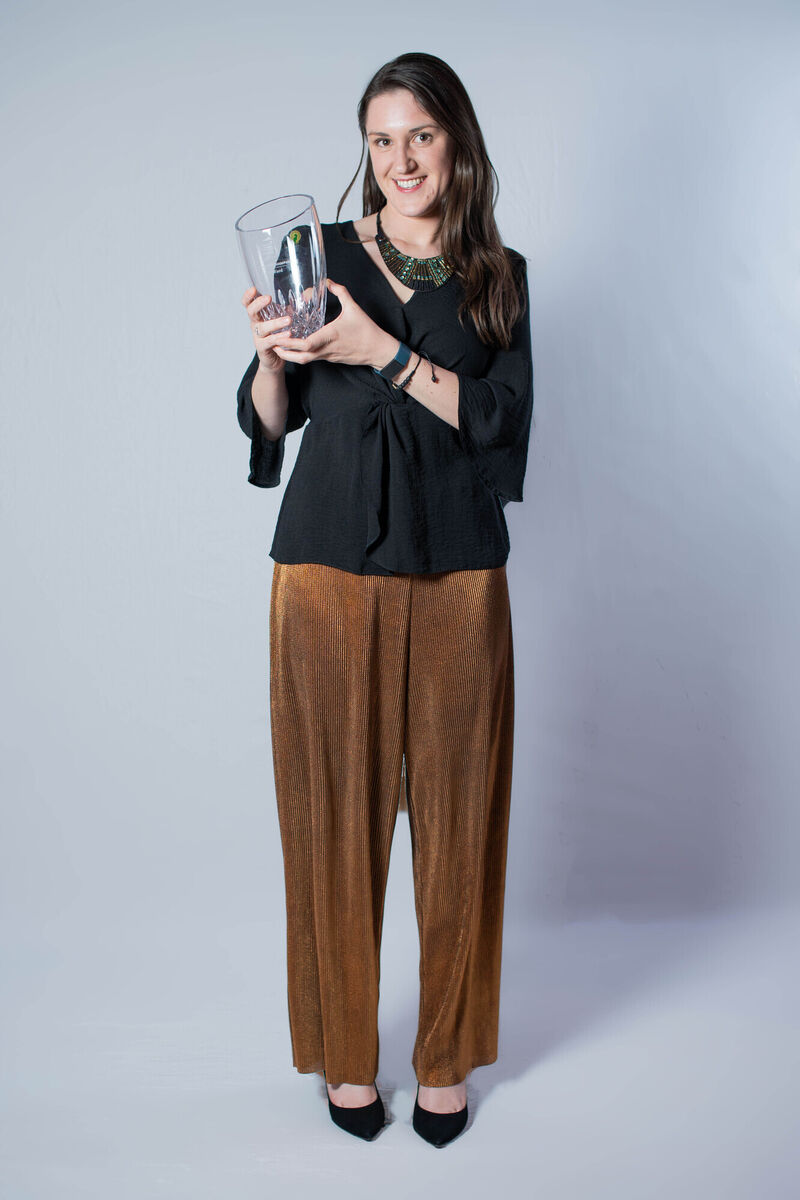
Ward, who co-founded FoodCloud with Aoibheann O'Brien, has a lot of experience in the area of sustainability, and it now looks as if the rest of the world is finally catching up.
An idea around food waste redistribution, which started as a student project when Ward and O’Brien first met in Trinity College, Dublin, soon grew legs when the duo realised that there could be a technical solution to this human problem.
“It was about connecting businesses that needed food with those who had surplus,” explains Ward. “We initially connected the Honest2Goodness market with a local charity in a non-techie way. We went by the market every Wednesday and Saturday and collected excess food for the charity, but we quickly realised that we needed a solution to streamline and simplify communications.”
Traditionally, surplus food distribution is led by charities with warehouses; for the student pair with great intentions but with no capital to invest in warehouse infrastructure, they decided to focus on technology first.
“We thought it would get us up and running quicker and demonstrate how it worked to connect the companies and charities involved. We were certain that tech was the way to go,” says Ward. “It was just about figuring out the way to develop a simple platform.”
Their online system of connecting retailers who had surplus food with local charities that needed it was a straightforward solution to a complex problem and could be applied to big businesses.

“Things really took off when we got Tesco on board in early 2014 as part of the initial trial. Having Tesco meant that it was easier to get others on board. When you’re starting, it’s very hard but every time we brought on another business, another store, it gave us validation and made us drive forward,” says Ward.
“We started off with a vision for an Ireland where no good food would go to waste. A year or two later, we had a vision of a world where no food would go to waste. We had a big vision - but we had no idea where we would end up.”
Now FoodCloud has two national strands to deal with food waste: the tech solution that connects more than 500 supermarkets (Tesco has been joined by Lidl, Aldi, Dunnes and Musgrave Marketplace) with local charities, alongside three warehouses in Dublin, Galway and Cork that redistribute surplus food to charities all over Ireland. They are also the food partner in Ireland for the Fund for European Aid to the Most Deprived (FEAD) Programme.
FoodCloud is not just based in Ireland. It has a presence in Britain - working with food redistribution NGO FareShare - and internationally, with its technology being used in countries like the Czech Republic and Slovakia.
in Ireland last year, 3,126 tonnes of food, the equivalent of an estimated 10,000 tonnes of CO2, was distributed by FoodCloud to more than 600 charities. But Ward says the social enterprise is just one of many different ways of sorting out the issue of food waste: “We can’t do it on our own - we’re not the only solution. Prevention is the priority but there will always be a level of surplus. You can’t always predict supply and demand. Look at Covid. We could never have predicted that restaurants and canteens would shut down so quickly. Fortunately, we were able to respond swiftly and make sure that surplus food fed people.”
The UN Sustainable Food Development Goal has a specific target: to halve food waste by 2030 and FoodCloud has a part to play.
"Our goal is to support Ireland and our international partners in redistributing as much food as possible towards that goal,” says Ward, who won’t be resting on her IMAGE PwC Sustainability Champion of the Year Award laurels.
“One big change has happened in the last few years: there’s been a shift in national policy around food waste and sustainability in general. With the Circular Economy Bill [approved and published by the government in March] there’s now a statutory footing for food distribution. We will strive to redistribute, strive for a more circular food system by working with as many businesses and charities as possible and work on educating and inspiring people to stop wasting food.”
With big problems like food waste, it’s easy to feel overwhelmed but even individuals can make a difference. Take a look at food.cloud to learn how to prevent good food from going into the bin. Also on the website is the All Taste Zero Waste video series, where chefs like Jess Murphy, Holly Dalton and William Murray give helpful tips on reducing food waste while cooking with surplus ingredients from FoodCloud.