Tips on what to eat when pregnant
“There can be so many mixed messages from experts and the media, it is a daunting time for many,” she says.
However, there is no doubt that what a woman eats before she conceives and during pregnancy can improve her baby’s ability to fight infection and disease later in life.
Henrietta Norton explains, an expectant mother’s diet has been shown to have as much as a 62 per cent effect on her unborn baby’s development.
Genes — both mother’s and baby’s — play a minor role by comparison, influencing just 20 per cent of the baby’s development.
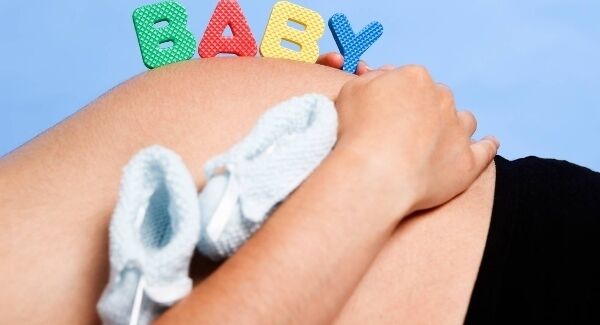
And yet, despite the research and the focus on nutrition, the numbers taking folic acid — which helps prevent neural tube defects — has fallen.
Neural tube defects, such as spina bifida, have risen by 27 per cent here, prompting obstetricians to call for a public health campaign to remind women of the importance of folic acid.
Expectant mothers are also being reminded that pregnancy is a “critical window” and how they eat could determine whether their child suffers from conditions such as asthma, eczema and diabetes.
It’s a lot of pressure – and a lot to take in. That’s why Norton’s new book on the topic is a very welcome arrival.
Your Pregnancy Nutrition Guide describes the what, when and how to eat during pregnancy and the early stages of motherhood.
And it’s written by a nutritional therapist who has lots of hands-on experience: she’s a mother-of-two and is expecting her third child.
She discusses what foods to avoid; the pros and cons of soya; whether coffee and tea should be on the banned list; what supplements are vital; how to get enough iron when you’re vegetarian.
Pregnancy should not focus on what you can’t have, or scaremongering, or getting everything right, Norton says.
“It should be about learning not to eat for two but to care for two,” she says.
The guide outlines the latest medical research and includes lots of advice and recipes.
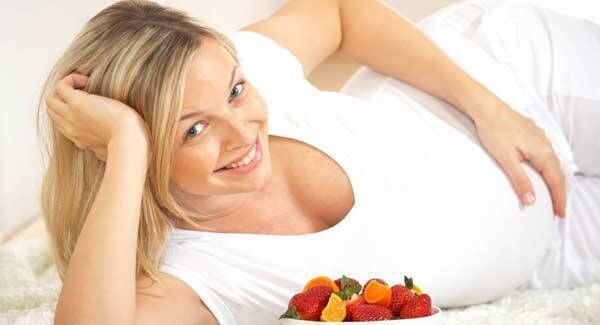
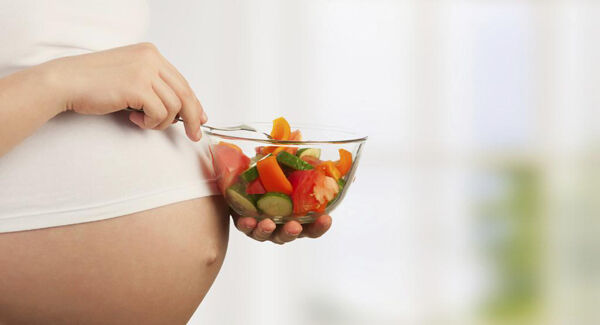
Here are 11 nutrition pointers designed to help women trying to conceive and those already pregnant:
Protein is very important for hormone production and good cell development. Good sources include free-range poultry, eggs, yoghurt, fish (wild salmon and trout), lentils, nuts, seeds, quinoa and grass-fed red meat.
Healthy fats, such as avocado, linseed oil, nuts, seeds and fresh oily fish, are vital for health.
However, limit oily fish to three servings a week as they may contain pollutants.
Eat as close to nature as was intended. Choose wholegrains (brown or red rice, quinoa, millet, buckwheat, rye and oats) which are also great sources of vitamins and minerals.
Make sure to eat a colourful variety of fruit and veg to ensure you are getting the best range of nutrients and antioxidants.
Steam green veg to make sure they retain their nutrients, or blend them into juices, soups and smoothies. They are an excellent source of folate and fibre.
Eat a good breakfast and then eat every three hours to balance your blood sugars.
Eating too quickly can hamper the body’s ability to absorb nutrients. Slow down and savour every bite.
Eating foods that are in season helps ensure food is at its most nutrient-rich when you eat it. Cheese and milk: Do not eat soft blue-veined cheese, rinded soft cheeses and avoid all unpasteurised milk products.
It robs the body of nutrients and upsets blood-sugar levels. Avoid the obvious sugars and watch out for hidden ones.
Found in fried foods and processed foods, trans fats can affect how your body uses essential omega-3 fats. Avoid them.
Your Pregnancy Nutrition Guide by Henrietta Norton, published by Vermilion, is out tomorrow.