Joe McNamee: Ireland is not ready for a food crisis — We need to support local growers
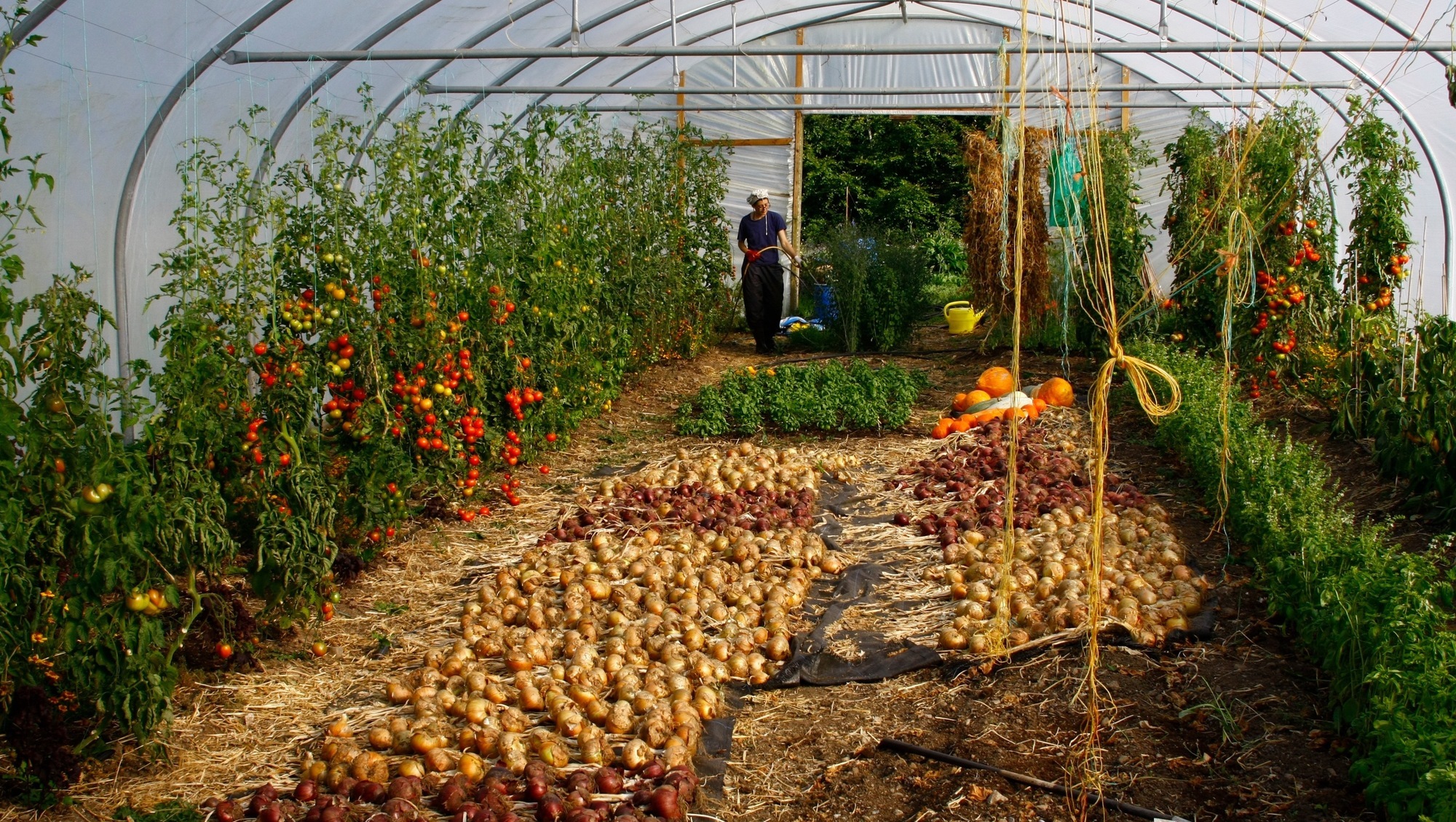
We desperately need small farmers and growers says Joe McNamee
Emanuela Russo of Leaf and Root Farm, Co Galway, which she operates with her partner Fergal Anderson, is a founding member of Talamh Beo.

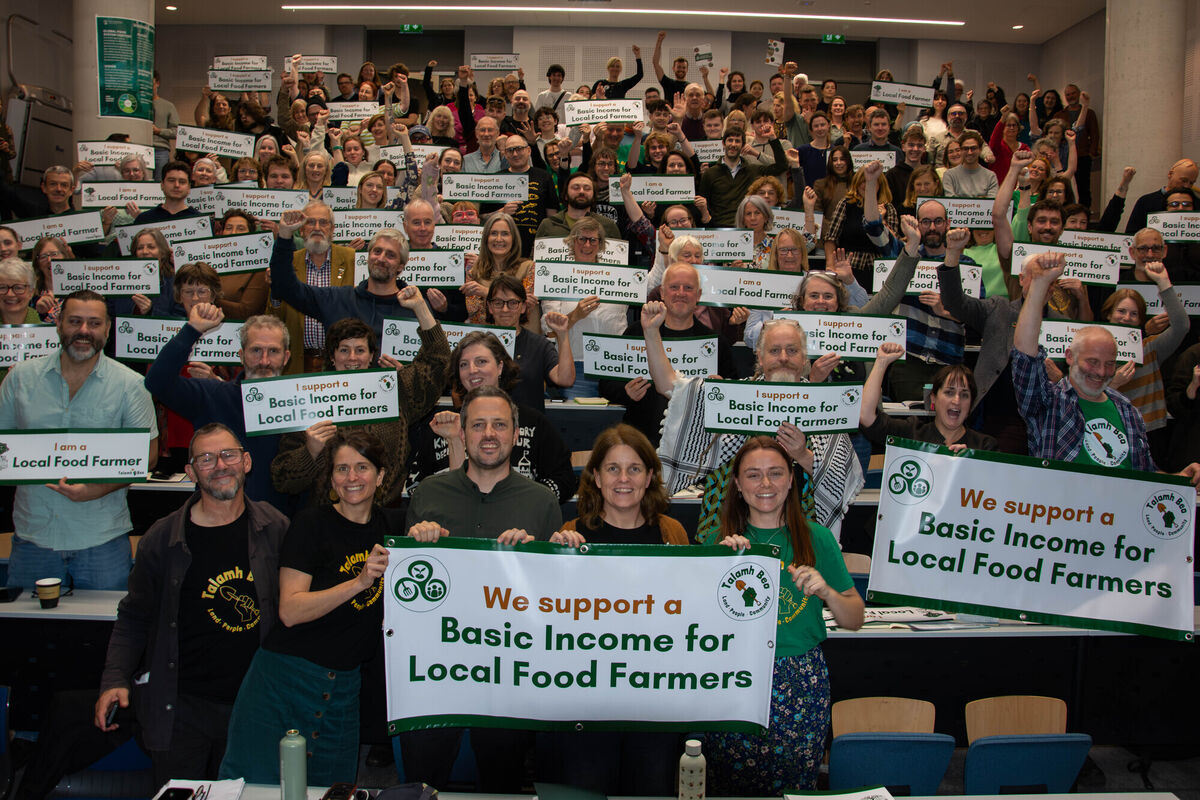
Emanuela Russo of Leaf and Root Farm, Co Galway, which she operates with her partner Fergal Anderson, is a founding member of Talamh Beo.

There are small but unmistakeable signs of a growing acknowledgment at State level that we have a serious food security problem when it comes to homegrown produce. Instead we rely on far too many imports, putting us in a very perilous position in the event of crisis-driven disruption to our international food supply chains.

You may not be much of a one for turnips and carrots and all about the daily tropical fruit smoothies but, what happens when your bananas and pineapples can no longer reach these shores, either a temporary disruption or a prolonged shortage? Turnip and carrot smoothies, perhaps? But what if we can’t even supply sufficient turnips or carrots? In 2024, we had to import 28,800 tonnes of those traditional staples, along with 28,000 tonnes of tomatoes and 21,000 tonnes of cabbage.

Most households in the country will have by now received a copy of an information booklet, Be Emergency Ready, urging us to prepare for the impact of severe weather, storms, flooding, power or water outages, cyberattacks, supply chain disruptions, and pandemics. I believe supply chain disruptions are one of the greatest threats of all to our grossly dysfunctional food system in a country that can’t remotely meet its own fresh produce requirements, importing over 80% of our fresh vegetables and fruits each year.

The Department of Agriculture, Food, and the Marine has just opened applications to Horticulture Innovation & Diversification Schemes. It promises grant aiding capital investments in specialised plant and equipment for — the comparatively few remaining — large horticulture farms but my ears perked up at mention of small and medium-sized enterprises, those micro-operations around the country operating on minuscule budgets and receiving zero support from the State. It seems funding is designed to encourage these small growers to innovate to add ‘secondary or tertiary’ value to their primary produce to increase business diversification and create jobs.

The thing is, we don’t need more ranges of value-added products from these small farmers and growers; but we desperately need their primary produce and much more of it. The State and the industrial agriculture sector remains, however, wedded to the strategies that have brought us to this pretty pass in the first place, wreaking havoc on the environment and biodiversity and, for all the billions generated, creating a farming nation unable to feed itself. State agriculture policy is still frustratingly unable to see beyond the bottom line, the press release stating this latest initiative is to ‘ensure that the Irish horticulture sector continues to make a valuable contribution to the Irish economy’.

Talamh Beo has launched a new campaign supporting basic income for farmers

I’ve written before of Talamh Beo (Living Land), the highly progressive farming and horticulture organisation which has just launched a new campaign urging the Government to introduce a basic income for small-scale farmers and growers. Research conducted with 150 local producers found a basic income of €350 a week would allow members to farm full-time and reinvest in their farms, with most stating they would use the money to finance an extra pair of hands.

What’s more, such an initiative would cost (based on a highly conservative estimate of 600 such enterprises) a grand total of €8m, a fraction of the subsidies that have gone into beef and dairy down through the decades. Talamh Beo’s suggested qualification guidelines for potential applicants would be a minimum annual turnover of €8k; a commitment to agro-ecological farming practices; certified organic status or in conversion; and at least 70% of their produce sold locally through markets, or direct to customers and local restaurants. This direct route would not only provide the general public with superior produce and food security, but would also educate them on biodiversity, healthier diets, and climate resilience, as well as attracting new young entrants to the sector.

Pilot schemes are already happening in Britain, including the entirety of Scotland offering a basic income scheme for farmers, farm workers and crofters, while a scheme in ngland will see landowners rent land to new growers, paid £1,000 a month for three years to establish market gardens.

Getting such produce into the hands of the people who need it most is challenging. I’d welcome State-sponsored markets selling fresh, local nutritious produce at affordable prices yet ensuring the primary producers receive a proper, living income. And if you want bananas and pineapples, well, there’s always the local supermarket.

Table Talk

My own emergency stockpiling will always include a few fine bottles for my ‘cellar’ so consider this your early advance warning to book for L’Atitude 51’s annual Christmas Wine Fair (December 6) showcasing 35 wonderful superb wines to accompany your seasonal scoffing. Tickets (€20pp) are limited with all proceeds going to Médecins Sans Frontières and there will be special discounts for orders placed on the day. No need to lug home your purchases as all wines will be available for collection on the following week.

If you fancy a spot of seafood as part of your Christmas dining but find it hard to find good fresh product, then Niall Sabongi’s Klaw online ‘food hall’ is offering premium piscine products to be ordered before December 18 for home delivery by December 24, with the pick of the dishes on offer including lobster Thermidor for Christmas Eve and a scallops with garlic butter beneath a golden puff pastry.

Today's Special

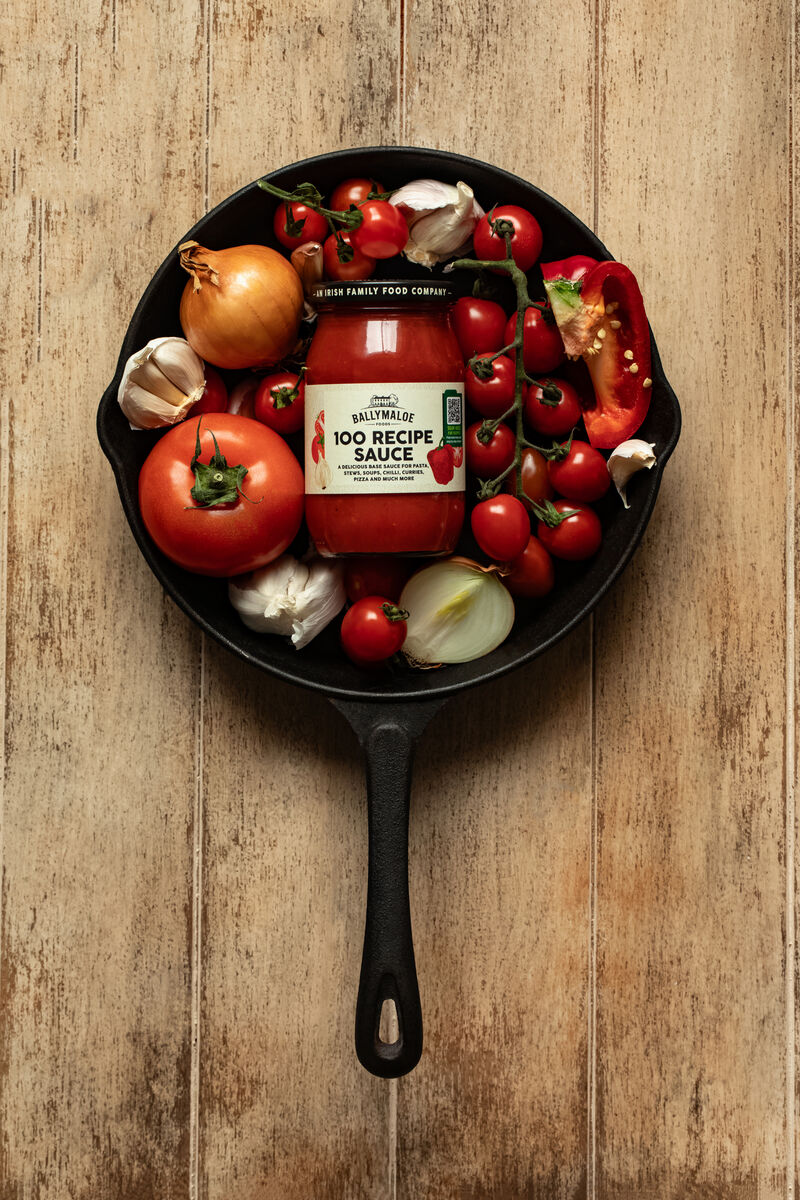
Ballymaloe's 100 Recipe Sauce. Picture: Monika Coghlan

If you’re stockpiling with the kids in mind, then Ballymaloe Foods’ new 100 Recipe Sauce (€3.99) will be handy indeed. Nor do you need to wait for the next pandemic or pan-European conflagration to turn to this little workhorse sauce, ideal for harassed parents trying to get a healthy dinner on to the table. The basis for myriad sauces (QR code leads to a recipe hub offering 100 suggestions), it can be used to build, pastas, curries, soups and stews. Comprising gently cooked tomato, onion and garlic with a balanced sweet/savoury flavour profile, it is amenable to all sorts of adaptions and, while I’ll always advocate for cooking from scratch, this is not far off the next best thing.

More in this section

Cookie Policy Privacy Policy Brand Safety FAQ Help Contact Us Terms and Conditions

© Examiner Echo Group Limited