Darina Allen: Ireland has lots to learn from the nine principals of natural farming
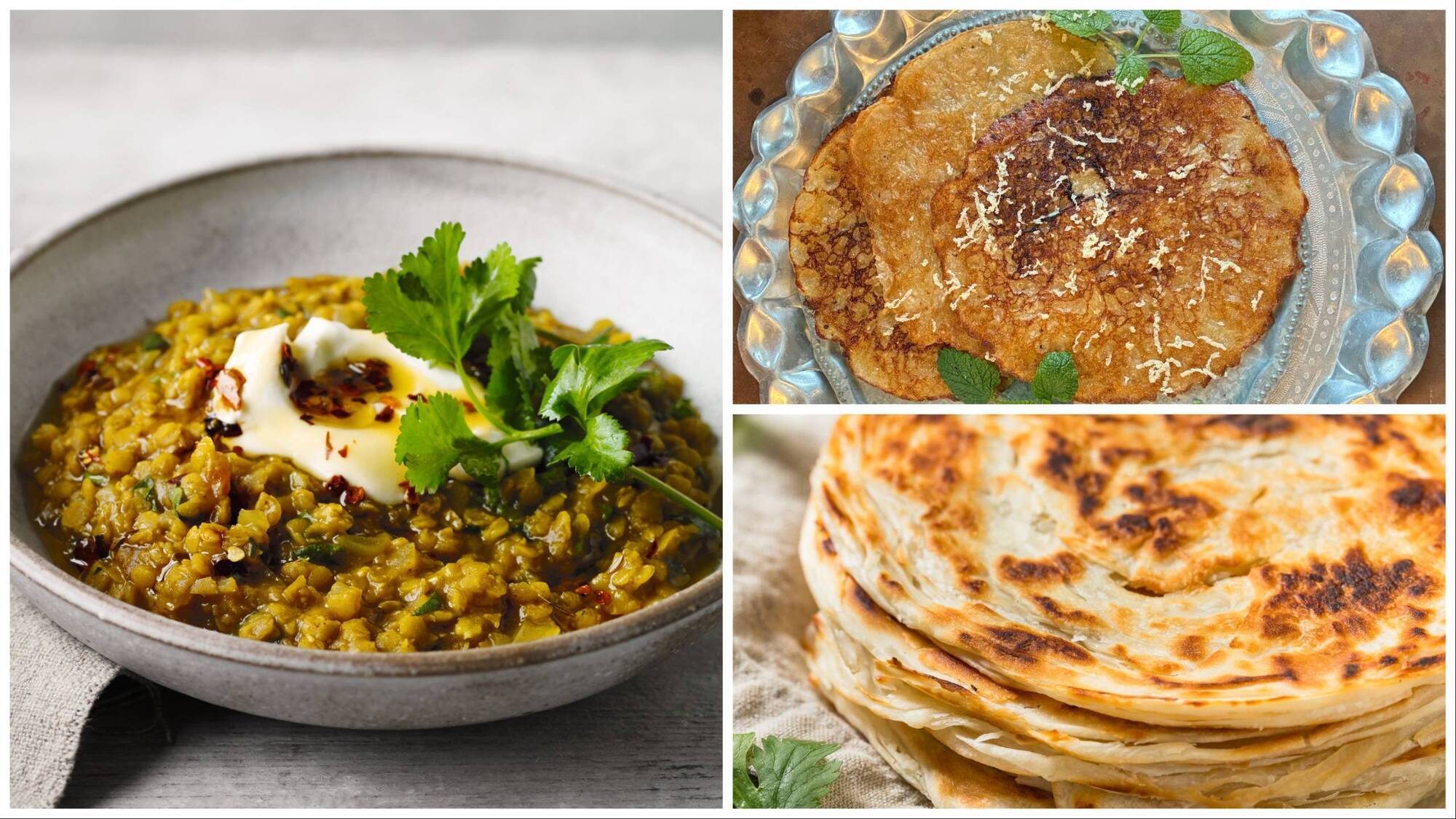
Darina shares recipes for Everyday Dalh, Jaggery & Coconut Pancakes, and Indian Paratha Bread

Well, we cooked two more Spirit of Ireland dinners in the beautiful Taj Hotels in India, one in Delhi and the other in Bangalore. We had a tremendous response from the guests so hope we’ve done our bit to promote the sale of our Irish spirits in India but I have to say they are already pretty enamoured with Irish Whiskey.
Everyday Dahl
This truly delicious dahl comes from Ahilya Fort in Maheshwar, one of my favourite places to stay and eat in all of India. They call it Usha Mem Sahib’s dahl.
Servings
6Course
MainIngredients
900ml water
200g split red lentils
3 large garlic cloves, thinly sliced on a mandolin
1 ripe tomato, peeled and chopped
110g finely chopped onion
2 tbsp tamarind water (see method in recipe)
3 tsp ground coriander
1 tsp ground cumin
1 tsp ground turmeric
1 tsp salt
1 tbsp freshly squeezed lemon juice
2 tsp granulated sugar (optional)
3 tbsp fresh coriander, coarsely chopped
To serve
Natural yogurt and cooked rice
For the tamarind water
40g tamarind
150ml warm water
For the tempering
50g clarified butter* (see end of recipe) or ghee
3 tsp cumin seeds
1 dried red chilli, broken into 5mm pieces, or 1 teaspoon chilli flakes
¼ tsp, ground coriander
1 tbsp freshly squeezed lemon juice
3 tbsp fresh coriander, coarsely chopped
Natural yogurt
Method
To make the tamarind paste, soak the tamarind in the warm water for at least 30 minutes or several hours or overnight, if possible, until softened.
Push through a sieve and discard the pips. Save any leftover tamarind water in a covered jar in the fridge for another recipes – it keeps for up to 3 months.
Put the water, lentils, garlic, tomato, onion, tamarind water, ground coriander, cumin, turmeric and salt into a saucepan on a medium heat.
Bring to the boil, then reduce the heat and cook for 18-20 or until the lentils are completely soft.
For the tempering
Melt the clarified butter in a pan over a medium heat and add the cumin seeds. When the cumin pops, add the chilli and cook for a minute. Stir in the ground coriander.
Carefully pour the tempering over the lentils as it will sizzle and splash. Cook over a low heat for 3 minutes, add the lemon juice, sugar (if using) and chopped coriander and season to taste.
Serve with a dollop of naturalyogurt on top and some rice alongside.
For the clarified butter
Melt 225g butter gently in a saucepan or in a Pyrex measure in a low oven 150°C/Gas Mark 2.
Allow it to stand for a few minutes, then spoon the crusty white layer of salt particles off the top of the melted butter. Underneath this crust there is clear liquid butter which is called clarified butter.
The milky liquid at the bottom can be discarded or used in a white sauce.
Clarified butter is excellent for cooking because it can withstand a higher temperature when the salt and milk particles are removed. It will keep covered in a refrigerator for several weeks.
Jaggery and Coconut Pancakes
These pancakes are so delicious served with jaggery, but ordinary crepes work well too. Dessert was served first at our meal, as seems to be the tradition.
Servings
4Course
MainIngredients
100g tapioca flour
30g rice flour
100g desiccated coconut
130ml water
For the sugar water
100g jaggery or palm sugar (or brown sugar)
150g water
Groundnut or sunflower oil for shallow frying
Method
Mix both flours and the desiccated coconut together in a bowl, add the water to make a thick batter.
Allow to rest for 20 minutes while preparing the sugar water.
If you are using jaggery or palm sugar, grate it into a small saucepan.
Add 150g water and stir over a moderate heat until the sugar has completely dissolved.
Remove from the heat and allow to cool. Gradually, pour into the batter to form a pouring consistency —allow to rest for 5minutes.
To serve
Heat a little oil in a small non-stick frying pan (about a tablespoon).
Spoon a small ladle of batter (approximately 75ml) onto the oiled pan. Swirl the batter to form a circular shape.
Cook the pancake over a moderate heat until the edges are golden brown (4-5 minutes approx.), carefully flip over and cook the other side.
When golden brown on both sides, serve immediately with a little grated jaggery, palm sugar or brown sugar on top.
Indian Paratha Bread
These roughly triangular flat breads are eaten all over India. Easy to make at home, all you need is a cast iron frying pan. In India ghee is used instead of oil.
Servings
16Course
BakingIngredients
175g sieved wholemeal flour
(weigh the flour after sieving, add the bran to the remainder in the bag)
185g plain white flour plus some extra for dusting
½ tsp salt
2 tbsp ghee or vegetable oil (or clarified butter)
200ml water
Ghee or oil for frying and brushing
Method
Put the wholemeal, plain white flour and salt into a bowl.
Sprinkle 2 tablespoons of oil over the top. Rub the oil in with yourfingertips.
The mixture will resemble coarse breadcrumbs. Add the water and gradually mix them together to form a softish ball of dough.
Knead on a clean work surface for about 10 minutes. Rub the ball of dough with a little oil put onto a plate, cover and allow to rest for 30 minutes.
Heat a cast iron frying pan on a medium-low flame.
Knead the dough again, shape into a roll and cut into 16 equal pieces.
Keep 15 pieces covered while you work with the 16th. Flatten this ball and dust with a little plain flour. Roll out, into a 15cm round.
Brush a little melted ghee or oil over the surface of the paratha, fold in half.
Brush again, then fold to form a triangle. Roll this triangle towards the point into a larger triangle with 18cm sides approx. Dust with flour if necessary.
Heat a frying pan (preferably iron) really hot and slap the paratha onto it. Let the paratha cook for a minute or so.
Brush the top generously with ghee or oil. Turn over and cook the second side for a minute or so. Both sides should have brownish spots.
Move the paratha around as you cook so all ends are exposed evenly to the heat.
Keep warm in a tea towel or on a covered plate.
Cook all the parathas in the same way. Serve warm.
Paratha may be reheated wrapped in parchment in a moderate oven 180°C/Gas Mark 4, they take 5-10 minutes.
- For more information, see thefumbally.ie