Joe McNamee: Ireland’s grain revival takes root
Last year, we imported close to 260,000 tonnes of flour into Ireland
Grain Gathering 2026 in Kilkenny: © Daniel Callan

Grain Gathering 2026 in Kilkenny: © Daniel Callan

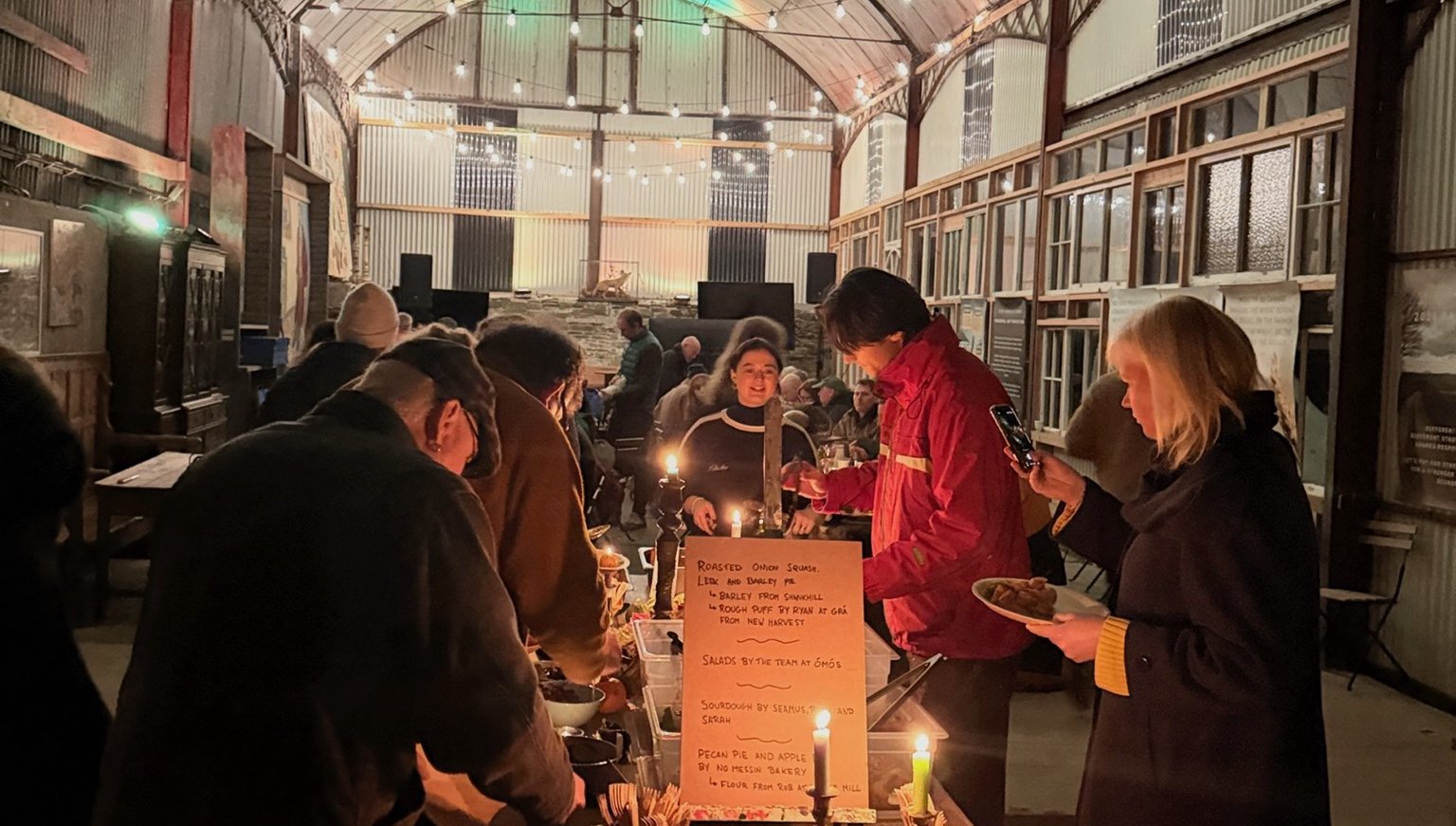
I am still thawing out after a recent Sunday spent shivering in the beautiful old barn in Shankill Castle, in Co Kilkenny, at Grain Gathering 2026, the fourth annual conference of the Irish Grain Network (IGN). However, if bodies became permafrost, cockles of the heart were glowing, fuelled by the synergistic energy of an inspiring assemblage of 142 grain farmers, millers, bakers, brewers, chefs, academics and others, all united by a common goal: building a resilient native grain economy capable of feeding delicious, nutritious food to the Irish people.
Last year, we imported close to 260,000 tonnes of flour into Ireland and we eat an average of 95kg of breads and wheat-based foods per person each year, comprising a fifth of our overall food calories and protein. Large scale Irish milling wheat tillage farming ended in the 80s. Gradually, imported wheat was replaced with imported flour, causing a corresponding decline in the milling sector. We now rely almost completely on external sources for a fundamental building block of our daily diet. It is one of our greatest vulnerabilities of Irish food security in the event of shocks to the supply system, whether through climate change-driven extreme weather or geopolitical disruptions.

The astonishing growth of Real Bread Ireland over the last decade has enabled the emergence of a vital, vibrant and highly innovative craft baking sector that has rejected industrial baking practices in favour of hand-baking infinitely more flavoursome and nutritious breads, creating an entirely new market. These bakers are, in turn, seeking out Irish-grown and Irish milled grains, creating new opportunities for tillage farming and inspiring a flux of small, independent Irish mills. The IGN acts as the lubrication for all these moving parts in a chain bringing nutritious grain-based foods from farm to fork. Speakers, both Irish and international, were often inspirational.

Daire Ó hArtghaile (Ursa Minor Bakehouse, Co Antrim) described their gradual incorporation of local Irish-grown and milled wholemeal grains into recipes, gently guiding loyal customers on the evolving flavour journey—an intellectual argument for sustainability is easily made but it is another matter overcoming primal prejudices born of tastes held fast since childhood.

Truly Irish Bread at Grain Gathering 2026

Sarah Richards (Seagull Bakery, Co Waterford) has long championed collaborations, first with tillage farmers/millers Emma Clutterbuck and Pat Foley, then Waterford farmer Mike ‘Magic Mike’ Walsh with whom she shared the stage. Alongside them, Seamus Jordan (Plúr Mill & Bakery) is Irish bread’s own ‘little red hen’, growing his own wheat, milling it, then baking it into his superlative breads and pastries.

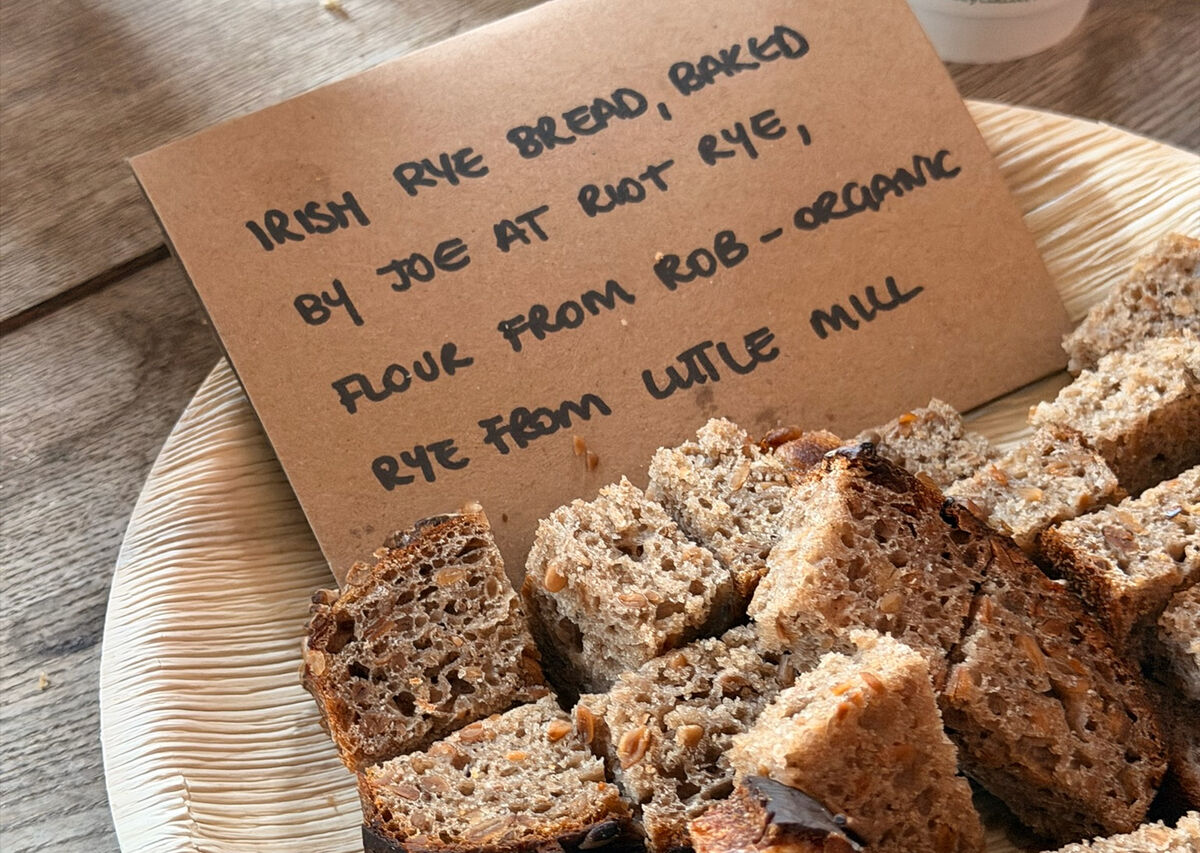
Estonian anthropologist and researcher Laura Valli gave a superb presentation on rye, a grain that has fed Northern Europe for millennia and with huge potential in Ireland. As she spoke, we ate gorgeous rye breads from Joe Fitzmaurice of Riot Rye bread baking school, made with locally grown rye milled at Kilkenny’s Little Mill.

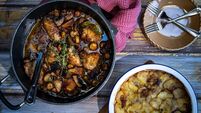
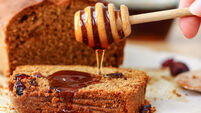
In fact, pretty much all the exquisite Irish breads, pastry tarts and other baked goods we ate throughout the day, as tasters and at meals, were made with Irish-grown grains, milled in small independent Irish mills and baked by Irish artisan bakers and chefs—a delicious slice of a potential future for the entire island of Ireland.

It made the absence of any formal representation from the Department of Agriculture, Teagasc or Bord Bia, the principal overseers of Irish agricultural and food policy, all the more glaring.

Every dog in the street now acknowledges we have grave issues around Irish food security, yet the aforementioned bodies again skirted a glorious opportunity for engagement. Instead they continue to cleave to the intensive industrial-scale agriculture and globalised food systems so complicit in bringing us to this parlous pass in the first place. To date, they have refused all IGN funding requests. Teagasc, the purported ‘brains trust’ of Irish agriculture persisted until relatively recently in incorrectly declaring that we couldn’t even grow milling wheat in Ireland, despite entirely contradictory historical Dept of Ag figures right up to its decline in favour of cheaper imports in the 1980s. Granted, climate change has brought added growing challenges but who better to learn from than IGN grain farmers addressing those challenges in the field. We will probably be waiting some time for those State leopards to change their spots. Instead, seek out and support Irish Grain Network bakers and millers, and maybe consider buying genuinely Irish flour to bake your own edible revolution at home?

Table Talk

Two more crackers upcoming in the Golden Vale Table series, curated by Ciara O’Brien, owner of the wonderful Barnahown B&B who hosts a Wine & Chocolate Pairing (November 21) from Norma Kelly of Mitchelstown’s Praline, while A Day in the Life of O’Mahony’s (November 22) is a celebration of the food and drink producers starring on the menus at O’Mahony’s of Watergrasshill, also featuring some very special guests.

I shall be hosting a screening (7.30pm, November 26) of artist Deirdre O’Mahony’s film, The Quickening, followed by what promises to be a lively panel discussion on the crucial issue of soil health and its relationship to the future of farming.

Presented by Healthy Ireland and Cork City Council, the event takes place at Cork Biodiversity Hub, at the Powdermills, in Ballincollig with pre-registration essential, email: corkbiodiversityhub@gmail.com
Today’s Special

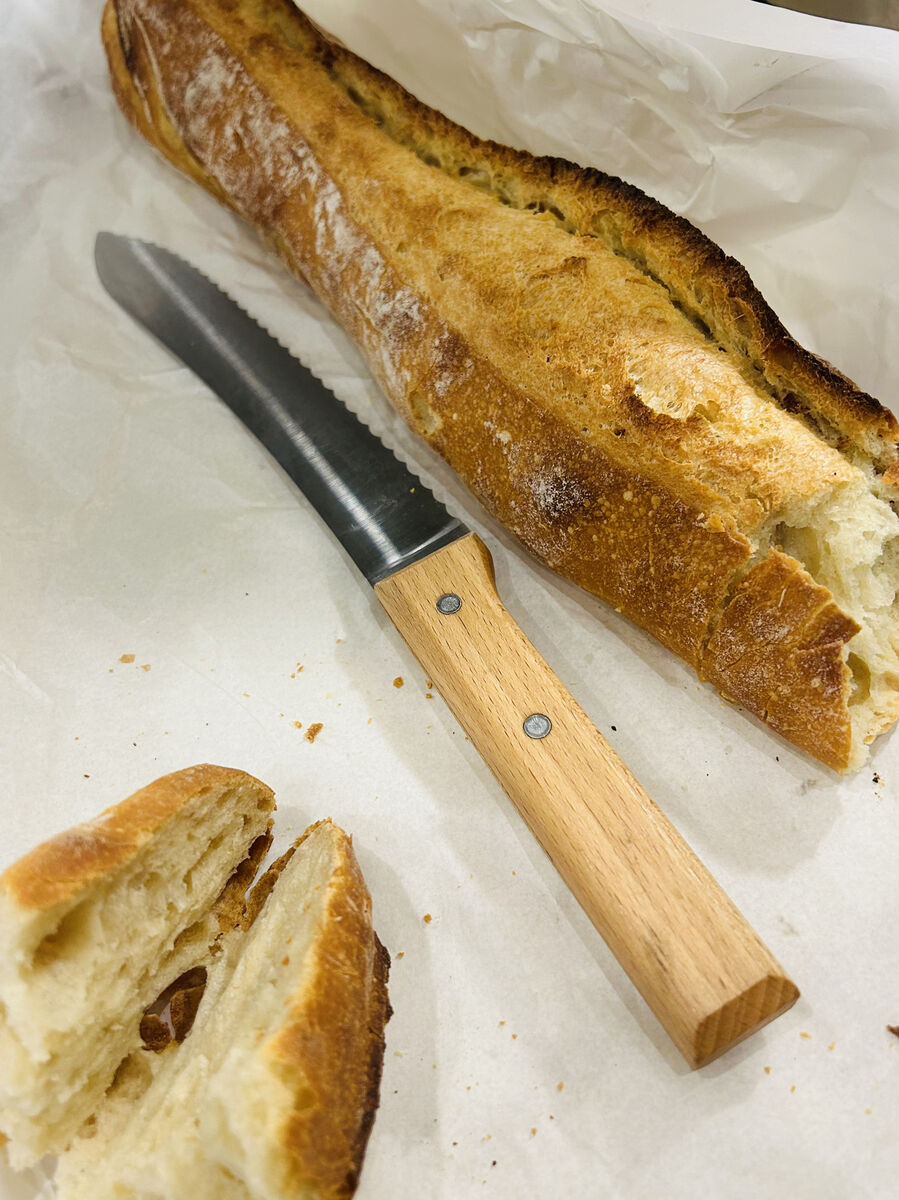
A baguette from Seeds Bakery

A good baguette is surprisingly rare so La Daughter and I were delighted to find the baguette (€3.50 ) from Seeds Bakery, in Cork. With a rustic, rugged exterior effortlessly straddling the sweet spot between crunchy and chewy, the soft and fluffy exterior comes with a depth of flavour unimaginable in those par-baked monstrosities from the industrial baking sector.

The only problem is ‘shelf life’—as in it is so delicious, it doesn’t last kissing time.

We had it first as a traditional French ‘tartine’ breakfast, with just butter and jam, then finished it off over lunch with a classic jambon beurre of butter, cheese and ham, and, at dinner we pined for what would have been an ideal mop for our warming winter stew.

More in this section

Cookie Policy Privacy Policy Brand Safety FAQ Help Contact Us Terms and Conditions

© Examiner Echo Group Limited