Joe McNamee: Practical cooking is not taught in schools and it’s a shame
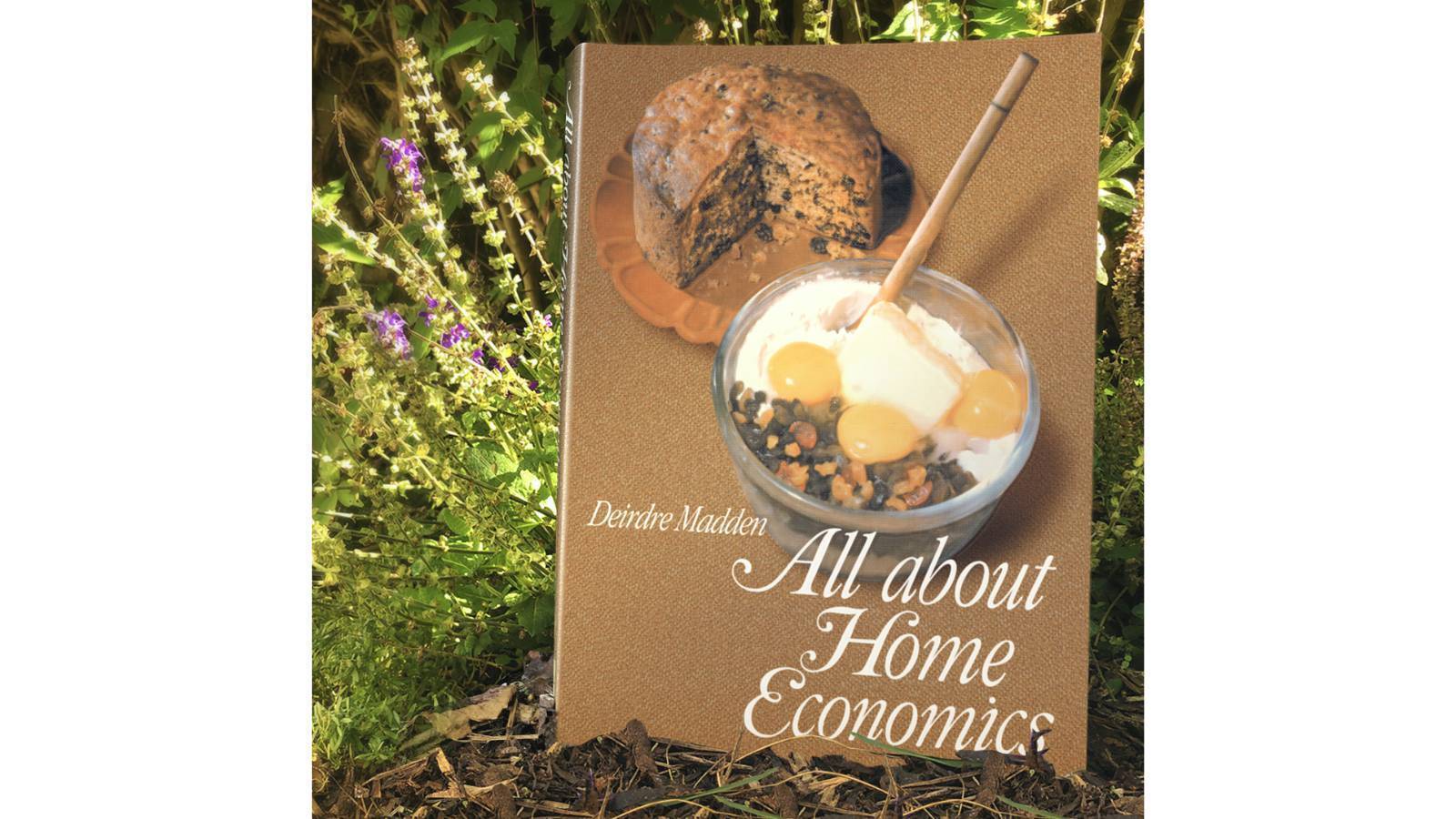
All About Home Economics by Deirdre Madden

First published in 1983 by Madden — a Dublin-based home economics teacher who died early in 1999 — it was republished in 2011 by her daughters as a cancer fundraiser and memorial.
This seminal school text got a joyous reception from generations of Irish women, many of whom still used their original copy. I relished it for being a snapshot of Irish home cooking that seemed archaic compared to how we eat today, with our grab bag of global cuisines and endless exotic ingredients.
One recipe, apricot eggs, might not even qualify as ‘cooking’. Cover a slice of Swiss roll with fresh whipped cream, top it with a tinned apricot half — voila, Apricot ‘egg’. It requires little or no skill to put together a sweet, edible assemblage to tickle teenage taste buds and build a positive relationship with food and cooking. It could almost be a TikTok ‘dish’.
There are also infinitely more complex and challenging dishes and techniques in the book, and you can see how it became so beloved, which is not a word often employed to describe school textbooks.
News of changes to the Leaving Cert home economics curriculum alarmed several of my food writing peers, who feared that practical cooking would be removed entirely.
As it turns out, that happened years ago.
Though hands-on cooking makes up 50% of the subject for Junior Cert, it was removed from Leaving Cert home economics in 2002. ‘Food studies’ does account for 45% of the course, but is theoretical and focuses on food science, health, nutrition, microbiology, processing and safety. There is no practical cooking.
A home economics teacher told me that many former pupils said the course was invaluable in their subsequent careers, particularly in medicine, health, and nutrition. She and many of her colleagues agitated for more practical cooking modules in the Leaving Cert curriculum. However, the National Council for Curriculum and Assessment, which has just closed its consultation process on reinstating cooking, has other ideas, and for all the intellectual arguments against, you can’t help feeling the decision is down to cost. There is a two-tier system in this country: Cash-rich ‘private’ schools are able to afford state-of-the-art labs; poorer schools are left huddling around single bunsen burners in the broom cupboard.
My teacher acquaintance admits her school would require a second kitchen classroom if practical cooking returned to the Leaving Cert curriculum. The point of education may be much more nuanced than just learning practical life skills, but cooking should be taught from as early as possible in primary school.
I recently cooked for a group of teenage boys, who marvelled that I’d made the dish from scratch. Several of the boys from working-class backgrounds said they had never seen that at home, instead eating ready meals, ultra-processed foods, and takeaways. There are now three generations of Irish working-class families who can’t cook. Several middle-class lads also admitted that ‘cooking from scratch’ at home amounted to boiling up pasta and opening a jar of pre-cooked sauce, ‘proper cooking’ being a weekend hobby or indulgence. The difference is their parents have the wherewithal to paper over nutritional cracks, to afford superior quality alternatives to home-cooked food.
Too many of us have abandoned or outsourced an essential life skill to supermarkets and Deliveroo.
As a deeply dysfunctional global food system results in ever-more food shortages, those who can cook tasty, nutritional meals from premium local produce will suffer least. But who’s going to teach those next-generation cooks?
The Cape Clear Lavender Festival (June 27/28) marks the culmination over five years of a fabulous agro-tourism initiative, lavender now flourishing across the wonderful West Cork island. The sustainable crop has created opportunities for local growers, producers, and hospitality businesses, and products include lavender-infused Cape Clear Gin and lavender honey. The festival offers live music, artisan markets, food experiences, workshops, wellness activities and a whole lot of lavender love.
I’ll never say no to a good pizza and the pizza from Boatshed Pizza at Dunmore House Hotel, in Clonakilty is a great one, so I’m delighted to hear that charming boat-shaped outlet has opened once more for the summer, on the gorgeous Sea Terrace overlooking Clonakilty Bay. Also recommended last week by Kate Ryan in Munster’s best outdoor dining spots, that’s your next Sunday spin sorted!

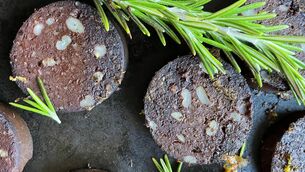
I love to pair the range with simply cooked Irish produce, for example, smearing steamed carrots with Black Garlic Miso Paste or spiking scrambled duck eggs with Black Garlic Mala Peanut Chilli Rayu. My favourite, however, is Fermented Black Garlic Soy Sauce (€14), premium aged soy with sweet fruity caramel of black garlic, too good to cook into any dish, best enjoyed as a crowning glory, on grilled fish, veg or free range pork, or even just turning a simple bowl of rice into a fabulous feast.