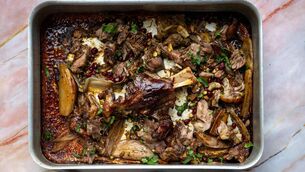
Darina Allen: Three Indian street food recipes to try at home
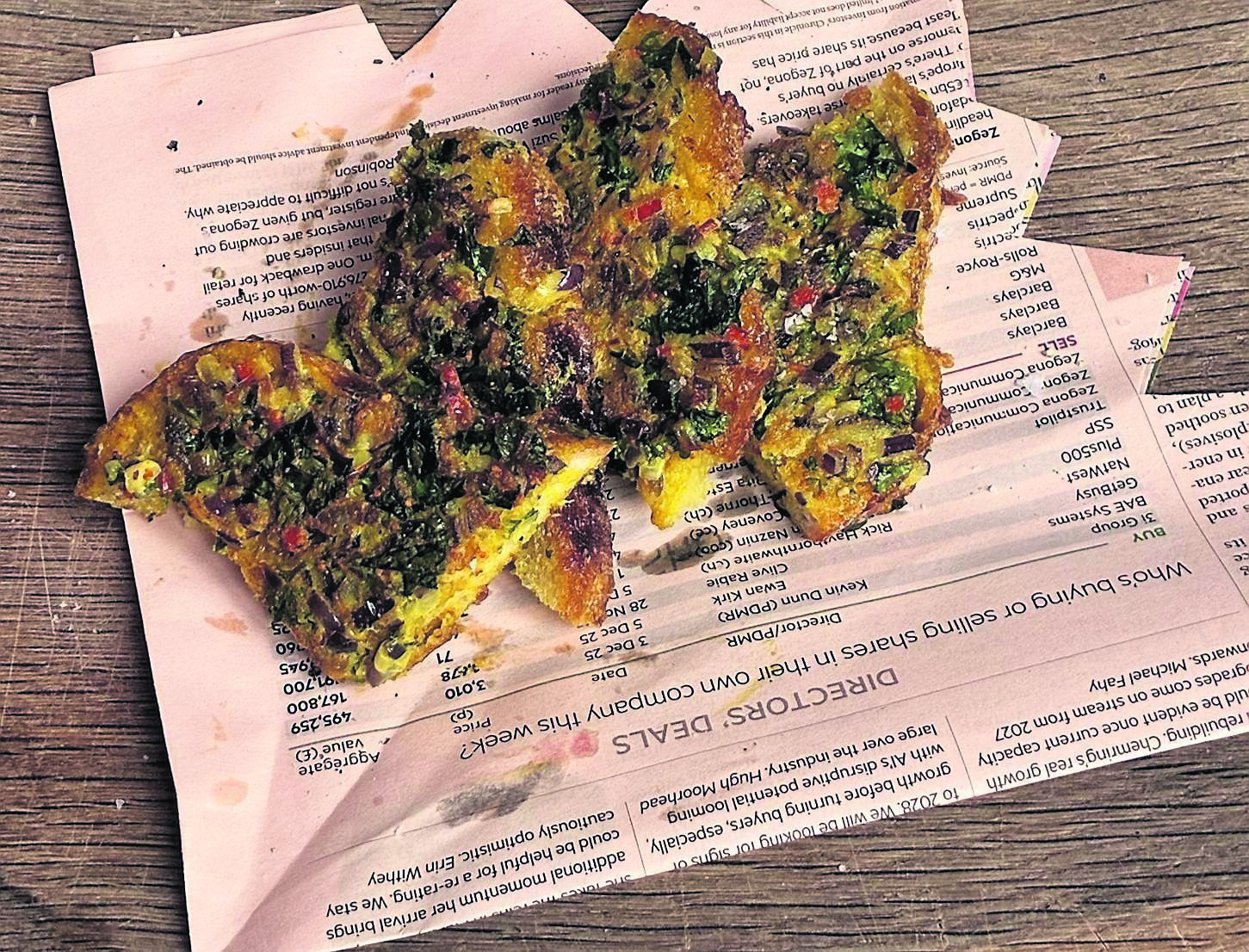
Darina Allen: "Tourists are often scared to eat street food but that’s where one gets the real taste of a country."

Back from India, we fortunately managed to miss a lot of that dreadful weather. We stayed at our beloved Ahilya Fort, overlooking the Narmada River in the small rural town of Maheshwar in Madhya Pradesh.
Ahilya Fort’s Crispy Kachori
These kachori are served in little squares of newspaper and cost just a few rupees at a stall on the side of the streets. Always fry the kachori on a low-medium heat to ensure they are cooked through and crispy. Adding gram (chickpea) flour to the stuffin

Servings
10Preparation Time
10 minsCooking Time
20 minsTotal Time
30 minsCourse
MainIngredients
For the dough
300g plain flour
2 tbsp ghee
1 tbsp vegetable oil
½ tsp salt
For the filling
200g mung beans
1 tsp cumin seeds
2 tsp fennel seeds
1 tsp coriander seeds
2 green chillies, 1 slit lengthways and 1 finely chopped
1 tbsp vegetable oil
1 tbsp ghee
4 tbsp gram flour (chickpea flour)
1-2 tbsp grated ginger
½ tsp ground turmeric
¼ tsp asafoetida
1 ½ tsp salt
1 tsp sugar
1 tsp garam masala
oil for frying
Method
The day before, cover the mung beans in cold water and allow to soak overnight.
Next day:
To make the dough, put the flour and salt into a bowl.
Add the ghee and oil and a small amount of lukewarm water.
Keep mixing and gradually add up to 150ml water, until a soft dough forms with no flour remaining on your hands. Knead the dough on a clean surface. Make into a ball, pop into a bowl, cover with a damp tea-towel and allow to rest for 1 hour approx in a warm place. Meanwhile, make the filling.
Toast the cumin seeds, 1 tsp of the fennel seeds and coriander seeds in a small dry frying pan for 3-4 minutes.
Allow to cool, then grind the whole spices to a fine powder using a coffee or spice grinder and set aside.
Put the soaked and drained mung beans, the slit green chilli and 8 tbsp of water in a food processor. Blitz to make a slightly coarse paste.
Heat the oil and ghee in a frying pan over a medium heat, add the remaining 1 tsp fennel seeds and cook for 1 minute until it smells aromatic. Stir in the gram flour – it needs to be roasted to get rid of the raw smell.
Cook on a low heat for 5 minutes, stirring constantly to ensure it doesn’t burn. Stir in the bean mixture and mix well to ensure there are no lumps.
Tip in the ginger, chopped green chilli, turmeric, asafoetida, salt, sugar and 1 tsp of the spice powder you prepared earlier and the garam masala. Mix well and cook for 2-3 minutes until the water has evaporated.
The bean filling should be dry and thick. Remove from the heat and allow to cool. Divide the rested dough into 10 equal portions and roll each one into a ball.
Take a ball of dough and flatten with both palms into a flat circle, then by pressing your thumb against the ends, to make it thinner and larger in size.
Put in the cup of your palm, so the dough takes that shape and fill with 1 tbsp of the cooked filling. Bring the sides of the dough to the centre and pinch the ends to seal (try not to pinch too much of the dough together or that end will be too doughy).
Repeat the process for 10 portions.
Heat a wok half-filled with oil over a high heat and bring to 180°C or until a piece of the dough dropped in the oil sizzles immediately.
Reduce the temperature a little and carefully lower in a few of the kachori and continue to cook in batches for 4-5 minutes each until golden.
Remove using a slotted spoon and put on a plate lined with kitchen paper to drain. Serve immediately with your choice of chutney. When served on the street, they are sold in little squares of newspaper.
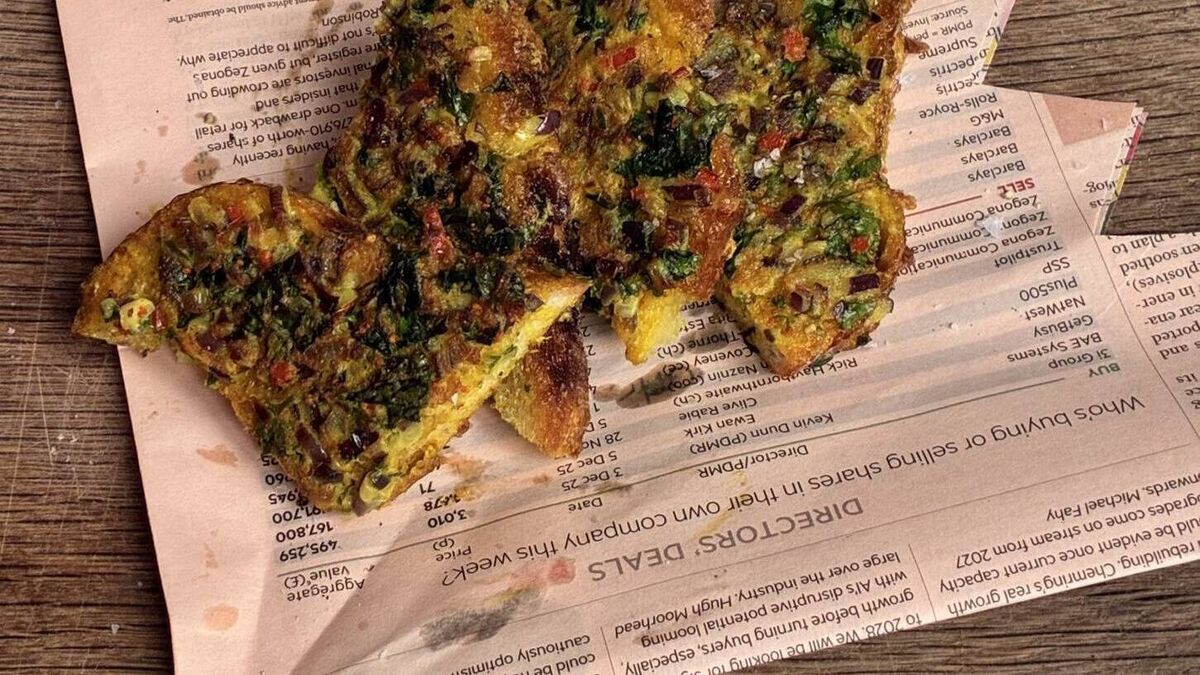
Bread Omelette or Bengali Bombay Toast
A savoury version of eggy bread.
Servings
1Cooking Time
10 minsTotal Time
10 minsCourse
MainIngredients
1 slice of white bread
1 tbsp sunflower oil (they use groundnut oil in India)
1 egg
1-2 tbsp finely chopped red onion (20g)
¼ tsp chopped chilli
1 tsp chopped fresh coriander leaves
salt and freshly ground black pepper
¼ tsp of turmeric, optional
Method
Heat a frying pan.
Whisk the egg well, add the chopped red onion, chilli and coriander leaves.
Season with salt and freshly ground black pepper and turmeric if using.
Whisk again to combine.
Dip both sides of a slice of bread in the egg mixture until well soaked.
Cook on a smoking hot pan, first on one side, then the other until golden.
Cut in quarters, sprinkle with some rock salt and freshly ground black pepper.
Wrap in newspaper, charge 10 rupees…next please – so good and filling!
Saffron Milk (Kesar Milk)
In the evening, huge kari full of saffron coloured kesar bubble away on little gas braziers. It has a fluffy crust on top, dotted with strands of saffron. It’s served in glasses, always with a portion of the crust on top – a comforting evening drink and s

Servings
1Preparation Time
5 minsCooking Time
15 minsTotal Time
20 minsCourse
MainIngredients
4-6 strands top quality saffron but could be
12-15 strands depending on the quality
1 tbsp of milk
225ml whole milk
1-2 tsp sugar depending on how sweet you like it
pinch of cardamom (¼ tsp) (8-10 pods crushed)
slivered almonds and pistachios (optional)
Method
Soak the saffron in 1 tbsp of warm milk for 8-10 minutes to release the colour and aroma.
Bring the remaining milk to the boil, add every drop of the saffron milk, sugar and cardamom.
Simmer for 3-5 minutes so it thickens slightly.
Serve warm with a little sprinkle of finely flaked almonds and chopped pistachios.
Congratulations to Kids Food Revolution who recently won the top national prize in the Green Communities Fund sponsored by Lidl to progress their food literacy project in West Cork Schools. They are working with local communities to reduce nutrient-poor food; local schools are now co-crafting a pilot with them to develop cookery and gardening workshops so that every child gets to build their practical skills and knowledge within the classroom whilst having fun.
See kidsfoodrevolution on Instagram to follow their progress.