Aishling Moore: How to make hake with chickpeas and nduja
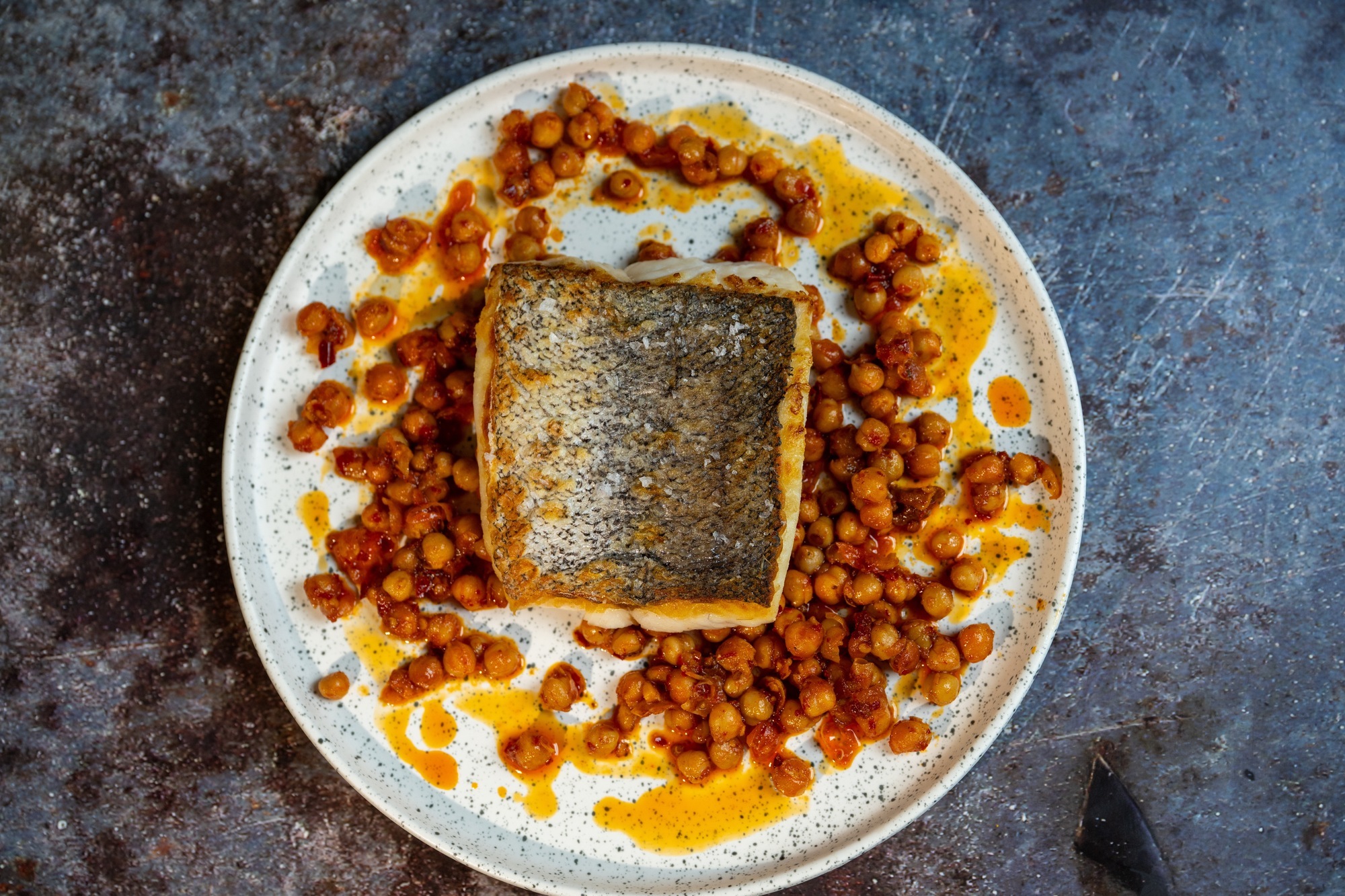
Weekend Food Marking: XX Jillian Bolger: Goldie: Aishling Moore: 27/03/26 Hake with chickpeas and ndjua: Picture Chani Anderson

Nduja is a spicy and spreadable sausage from the southern region of Calabria in Italy. Cured meats and sausages are such handy ingredients to have in the fridge and vital to my cooking at home, adding so much umami to dishes.
Made by curing, fermenting, and cold-smoking ground pork — usually a mix of shoulder, belly and fat with fiery Calabrian chilli peppers — the high fat content of 30-50% of the total mix gives the sausage its distinctive buttery texture.
Unlike other salamis that are sliced, nduja is
instead scooped from its casing before being
incorporated into dishes, or it can be enjoyed very simply spread on hot grilled bread. It has a whole host of applications, great in pasta dishes, on pizzas, served with green vegetables, excellent with eggs for breakfast or fabulous too whipped into some butter.
Nduja is deeply intense in flavour, so a little of this cured meat goes a very long way, especially when paired with seafood.
I ate a wonderful bowl of mussels with nduja at the beginning of dinner recently at Ballymaloe House, steamed with sherry to open and served in a broth of their own juices released from cooking and just the right amount of fiery nduja for heat. The perfect start to a beautiful meal.
This garnish would work with so many species, the meatier varieties like monkfish, pollock and ling or the more delicate in flavour flat fish like brill, turbot and plaice. Take a recommendation from your fishmonger on what’s best on the counter.
For pescatarians, swap the nduja for some smoked paprika, some fresh red chillies or a pinch of cayenne pepper or finish the chickpeas with your favourite chilli oil or fermented hot sauce.
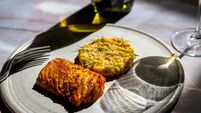
Hake with chickpeas and nduja
Nduja seasons a simple side dish of chickpeas which handsomely accompanies a pan-roasted fillet of hake
Servings
4Preparation Time
30 minsCooking Time
20 minsTotal Time
50 minsCourse
MainIngredients
For the hake
4 x 110g fillets of hake
3 tbsp rapeseed oil
Fine sea salt
For the nduja chickpeas
100g nduja
4 cloves garlic, finely sliced
4 tbsp golden rapeseed oil
1 onion finely diced
600g chickpeas, cooked and drained
100ml white wine
Sea salt
1 lemon juiced
Method
For the nduja chickpeas, place a medium sized heavy based pot on a moderate heat.
Add two tablespoons of golden rapeseed oil and warm.
Add the nduja and break apart with a wooden spoon, cook for 5 minutes to render out all the pork fat.
Remove the nduja from the pot with a slotted spoon and set aside.
Add the diced onion and finely sliced garlic to the pot and cook over a medium low heat until golden. This will take approximately 5 minutes. Once golden, add the white wine and cook to reduce by half.
Add the chickpeas to the pot, mix well and season generously with sea salt, cook to warm through. Approximately 3 minutes.
Reintroduce the nduja to the pot, mix well and taste to season.
Finish with the juice of one lemon and keep warm while cooking the hake.
Remove the hake from the fridge 15 minutes before you intend on cooking it. Pat dry any excess moisture and season with fine sea salt.
Preheat your frying pan on a medium-high heat for 2 minutes.
Add 2 tbsp of rapeseed oil before placing the hake in the pan, laying the fillet skin side down and away from you, to avoid oil splatters.
Once in the pan, do not disturb the fillet or move the pan. Allow the crust of caramelisation to develop evenly, approximately 2-3 minutes until the fish is cooked 60 per cent of the way. Using a fish slice confidently, lift the fillet from the pan and place on a tray.
Place the par-cooked fillet in a 200°C preheated oven for between 4-5 minutes, depending on the size of the fish. Once cooked, dress the fish with a squeeze of fresh lemon juice.
Carbon steel frying pans are my preference for cooking fish. They are excellent conductors of heat and require very little upkeep.
Preheating your frying pan is the most crucial step in pan-frying a piece of fish. The goal is to achieve an even temperature across the full surface area of the pan. Cold pockets will cause your fish to stick.
Remove the fish from the refrigerator ahead of time to allow for more even cooking.
Patting dry the excess moisture on the surface will help prevent the fish from sticking to the pan.
Make sure you’re using a pan that’s large enough for the number of portions you’re cooking. Avoid overcrowding the pan, each addition to the cooking surface reduces the temperature of the pan. Work in batches if needs be.