Derval O'Rourke: How to make my frozen protein bars
Plus: Wellbeing trends for 2024, and tips for the new year
Derval O'Rourke: How to make my frozen protein bars

Pic: iStock

I first started working in the area of wellbeing 10 years ago, when I published my first cookbook. 

In the time since I have dealt with a huge amount of experts across a variety of wellbeing subjects. 

So much has changed and shifted. Wellbeing was seen as a nice add-on but not an essential 10 years ago, whereas now wellbeing is a factor that is considered in everyone’s day-to-day lives. 

This week I am looking at three areas that have emerged as stars of the wellbeing world going into 2024.

Community and Connection

The role social connections play in a person’s wellbeing has never been considered more important. They are a key factor in people feeling happy and content. 

Community is believed to really impact a person’s sense of belonging which in turn helps them deal with stress. 

The trend towards creating that feeling of community and connection, whether it is online or offline in our homes and surrounding communities, is something that people are looking for more than ever. 

This point is relevant for our work lives too: as human beings, we crave connection and if we don’t feel connected at work it becomes difficult to stay engaged in what we are doing. 

If you are feeling disconnected at work it is worth considering how much you are working from home and if this is having an impact. 

Emerging research also examines flexibility in work and the idea that how we work is as important as where we work.

Sleep Quality

Good quality sleep can help to restore your immune system, manage stress, improve physical and mental performance, regulate blood sugar and weight, plus improve your mood. 

Avoiding caffeine or alcohol before bedtime is helpful. Similarly, not avoiding screens before bedtime can negatively impact your body’s ability to produce melatonin making it more difficult to fall asleep. 

Getting a good night’s sleep is one of life’s greatest performance enhancers. Adults aged between 18 and 64 need at least 7 hours of sleep each night. 

Globally the sleep economy, which includes everything from beds to pillows to medical devices, is forecast to be valued at $585 billion which just goes to show that sleep as a cornerstone of wellbeing is here to stay.

Nature and Eco Wellbeing

Technology has become an integral part of life and most of us rely heavily on technology for work. Whilst it has its place what has become more apparent is that we can’t lose our connection to nature and attempt to replace it with technology. 

How often have you gone for a walk and felt that you have a much clearer head after it? Nature being a positive experience is not new but the area of environmental neuroscience which looks at why and how our brains are affected by nature is an emerging field. 

There has been lots of studies around exposure to green areas and blue/water areas and their positive impact and emerging research points to the cognitive benefits of exposure. 

The part of the nervous system that is responsible for that restful feeling is the parasympathetic nervous system and exposure to nature activates this and creates a feeling of calm and wellbeing. 

Including nature in your weekly activities is a great way to help your working memory, spatial memory attention and visual attention amongst other benefits. 

One tip, that I need to remember myself, is to forego tech whilst engaging with nature. Don’t be looking at your watch or phone or headphones, be engaged with your surroundings.

Most of us are busy and know that we need to actively participate in our wellbeing. Consider these three areas and how you might be able to tap into them to turbocharge your 2024.

Pic: iStock
Pic: iStock

Wellness Tip: Try to avoid screentime before bedtime in favour of doing some self-care. Take a warm shower, do a face mask, read a book or chat to someone.

Fitness Tip: Try doing outdoor exercise for a week and see if this makes a difference in how you feel or sleep.

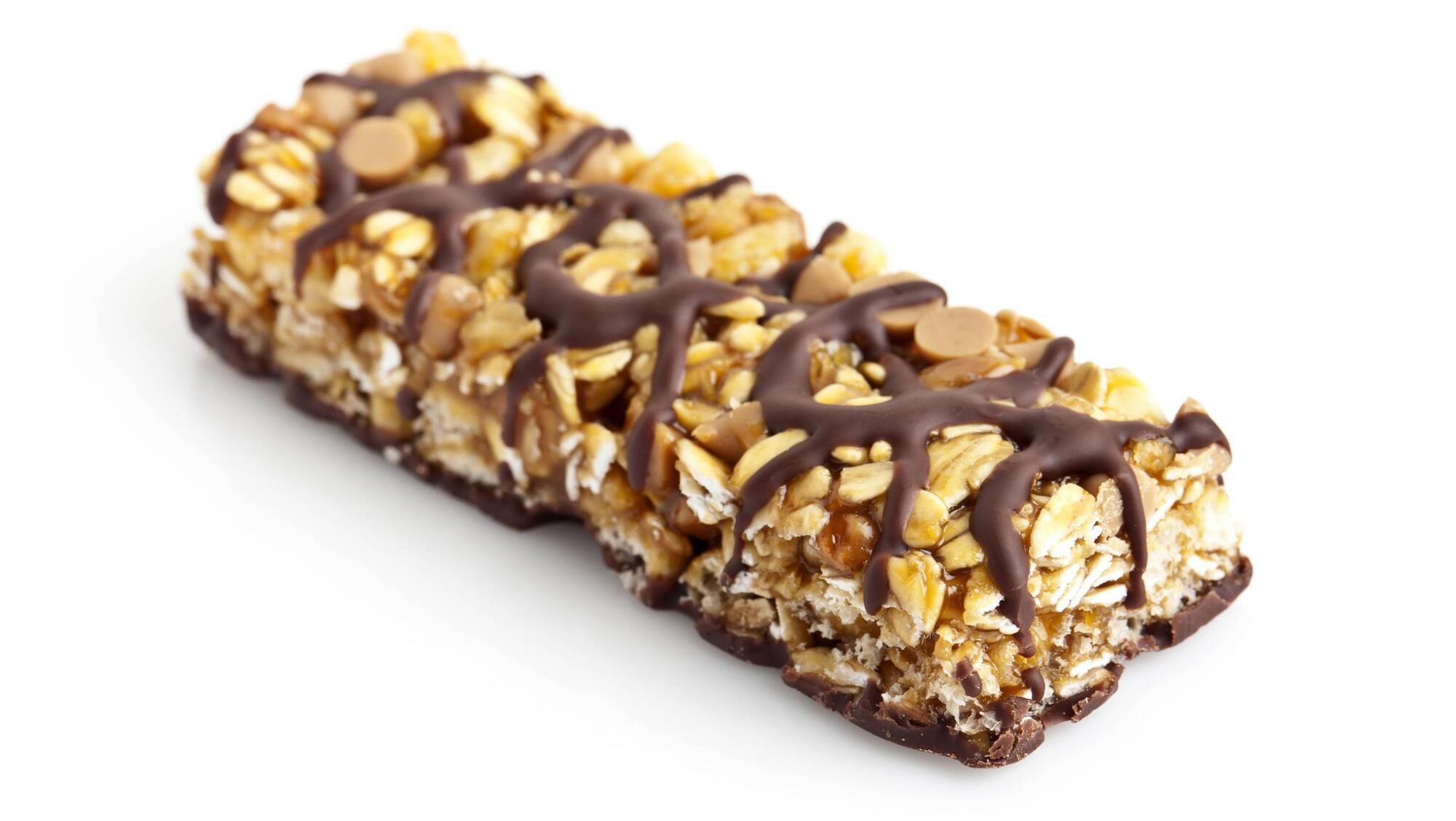
Frozen Protein Bars

recipe by:Michelle Darmody

Keep a few of those chilled or frozen - just in case!

Frozen Protein Bars

Servings

6

Preparation Time

1 hours 10 mins

Total Time

1 hours 10 mins

Course

Baking

Ingredients

  • 300g chocolate protein powder (banana or vanilla flavours also work well)

  • 160g jumbo porridge oats

  • 70g sunflower seeds

  • 50g dark chocolate (70% cocoa solids), chopped

  • 30g ground almonds

  • 1 banana, peeled and mashed

  • 120ml water

  • 3 tbsp coconut oil, melted

  • 1 tsp vanilla extract

Method

  1. Line a baking tin with parchment paper.

  2. Place all of the ingredients in a large mixing bowl and use your hands to mash everything to a sticky consistency. This process will take a few minutes and the mixture must not be too wet, so do not panic or throw in more water. Simply keep working the mixture with your hands.

  3. Scrape the mixture into the prepared tin and place in the freezer for at least 1 hour.

  4. Remove the tin from the freezer and leave to stand for about 30 minutes. Cut the slab into bars and carefully remove from the tin. Store the bars in airtight plastic bags in the freezer. Take them out as needed – just give them a few minutes to defrost before eating.

More in this section

Cookie Policy Privacy Policy Brand Safety FAQ Help Contact Us Terms and Conditions

© Examiner Echo Group Limited