Darina Allen: A trip up North exhibits the quality of Irish food

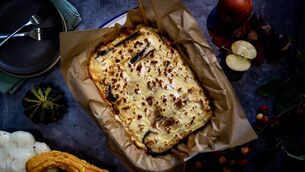
Granny Mary's wheaten bread

Anyone who has experienced the chaos in so many airports this summer to get to their longed-for holiday destination may well have questioned whether it’s really worth the effort. Having battled to get there, many were sizzled alive at temperatures from mid-30ºC to 40ºC.
Granny Mary’s Wheaten Bread
Perfect with a cup of tea

Servings
18Preparation Time
20 minsCooking Time
1 hours 15 minsTotal Time
1 hours 35 minsCourse
BakingCuisine
IrishIngredients
1kg (2 1/4lb) wholemeal flour
200g (7oz) porridge oats
25g (1 tbsp) salt
15-20g (3-4 tsp)/15-20g bread soda
2 eggs
100ml (3 1/2oz) olive oil
75ml (3 tbsp) treacle
50g (3 tbsp) caster sugar
110g (6 tbsp) coarse pinhead oatmeal
1200 ml buttermilk
75g mixed sunflower and pumpkin seeds
Equipment
1 large rectangular tin with edges 32cm/13 inch (length) x 23cm/9 inch (width) x 5cm/2 inch in depth
Method
Preheat the oven to 175˚C/325˚F/Gas Mark 3.
Oil the sides and base of the tin and line with parchment paper.
In a large bowl mix flour, oats, salt, bread soda, sugar and pinhead together and mix by hand until combined. In another bowl whisk the eggs add the treacle and olive oil and buttermilk.
Whisk to combine. Make a well in the centre of the dry ingredients, pour in the wet ingredients and mix to a soft dough.
Pour the mix into the lined tin. Sprinkle with 75g of mixed seeds.
Bake in the preheated oven for 75 minutes.
Remove from oven take out of tin and bake for 10 more minutes. Cool on a wire rack.
Best served warm with some unsalted butter.
Adapted from Killeavy Castle Estate (August 2022)
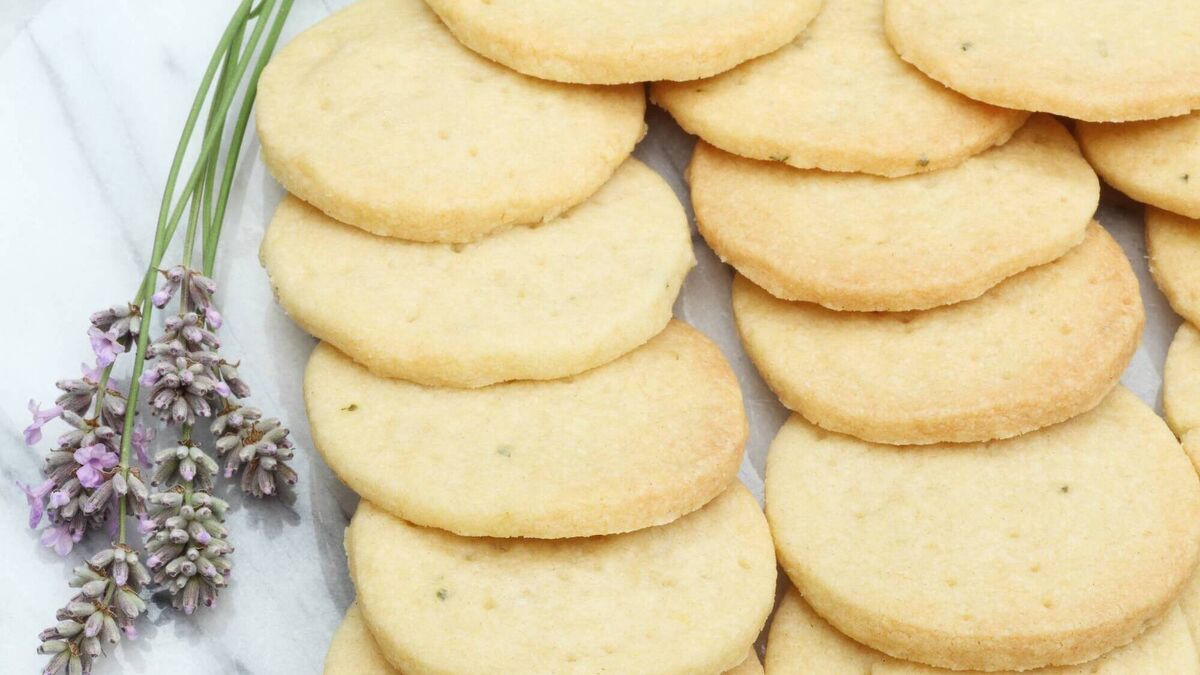
Jane's shortbread biscuits
A delicious afternoon treat
Servings
24Preparation Time
15 minsCooking Time
15 minsTotal Time
30 minsCourse
BakingCuisine
IrishIngredients
170g (6 oz) plain flour
100g (4 oz) soft butter
50g (2 oz) sugar Icing (optional)
100g (4 oz) icing sugar
1 tbsp water
Food colouring (optional)
Sprinkles of your choice
Method
- If you have a food processor put all the ingredients for the biscuits in together and mix until they form a soft ball. If making these by hand rub the butter into flour and add sugar. Gather the mixture together and knead well.
On a floured surface roll out the mixture until it is about 5mm thick.
Cut shapes and place on a greased baking tray. Gather the remaining mixture, knead together again and roll out to cut more shapes. Repeat until all the mixture has been used up.
Bake in a moderate oven, 180°C or Gas mark 4 until biscuits are pale brown (about 15 minutes).
Remove and cool on a wire rack. We normally sprinkle the cooled biscuits with a little icing sugar and serve. However, if you want to be more festive they can be decorated with a topping of your choice.
For the icing, mix the sugar and water until the icing is free of lumps. Spread a thin layer of icing on each and sprinkle with a decoration of your choice. Allow the icing to set.
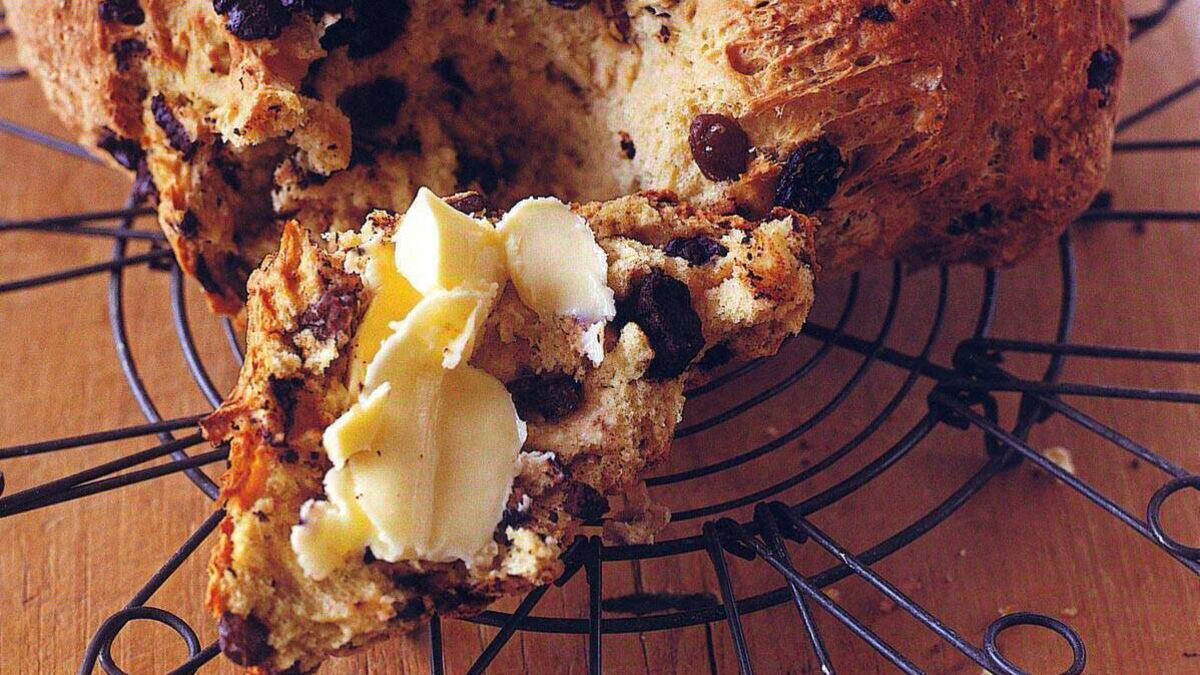
Irish Bannock
Enjoy freshly cooked, in thick slices, slathered with butter
Servings
10Preparation Time
30 minsCooking Time
40 minsTotal Time
1 hours 10 minsCourse
BakingCuisine
IrishIngredients
450g plain white flour, preferably unbleached
1 level tsp bicarbonate of soda
1 level tsp salt
2 tsp sugar
75g (3oz) currants or raisins or sultanas
1 organic egg
350 - 425ml buttermilk
Method
Preheat the oven to 220°C/425°F/gas mark 7.
In a large mixing bowl, sieve in the flour and bicarbonate of soda; then add the salt, sugar and sultanas. Mix well by lifting the flour and fruit up in to your hands and then letting them fall back into the bowl through your fingers. This adds more air and therefore more lightness to your finished bread.
Make a well in the centre of the flour mixture. Break the egg into the base of a measuring jug and add the buttermilk to the 425ml (14fl oz/1 3/4 cup) line (the egg is part of the liquid measurement). Pour most of this milk and egg mixture into the flour.
Using one hand with the fingers open and stiff, mix in a full circle drawing in the flour mixture from the sides of the bowl, adding more milk if necessary. The dough should be softish, but not too wet and sticky.
The trick with bannock like all soda breads is not to over-mix the dough. Mix it as quickly and gently as possible, thus keeping it light and airy. When it all comes together, turn it out onto a well-floured worked surface.
Wash and dry your hands.
Roll around gently with floury hands for a second, just enough to tidy it up. Flip over and flatten slightly to about 2 inches (5cm) approx. Transfer to a baking tray lightly dusted with flour.
Cut the surface with a deep cross and once again if you would like 8 wedges. Let the cuts go over the sides of the bread to make sure of this inches) deep.
Put into the oven and immediately reduce the temperature to 200°C/400°F/Gas Mark 6. Cook for 35-40 minutes. If you are in doubt about the bread being cooked, tap the bottom: if it is cooked it will sound hollow. This bread is cooked at a lower temperature than soda bread because the egg browns faster at a higher heat.
Serve freshly baked, cut into thick slices and smeared with butter and jam.