Currabinny Cooks: Two salads and a clementine curd that is perfect for cheering up January
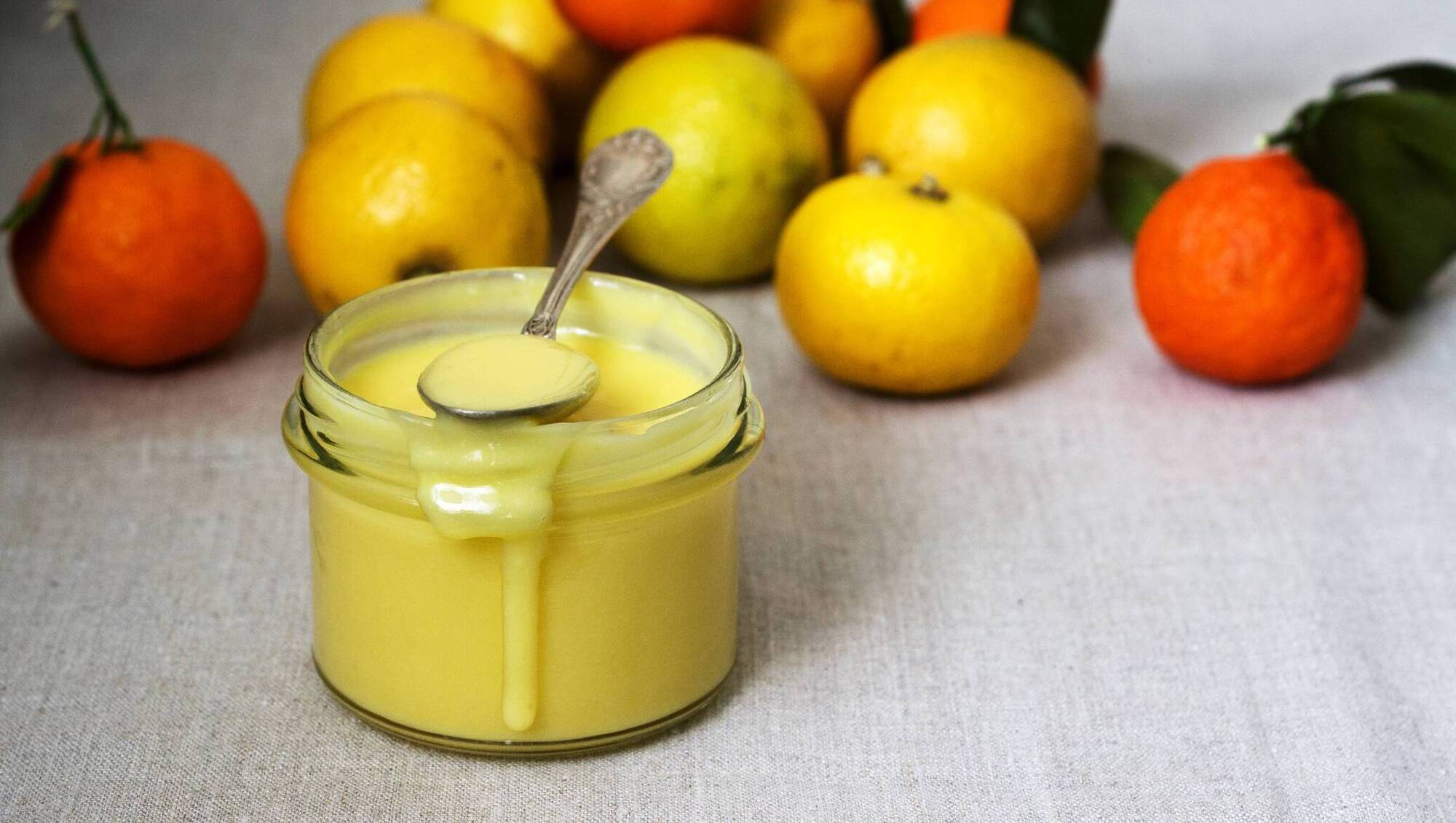
Clementine curd is sweet and sour and ideal for new year's eating.
Clementine oranges of all kinds are at their best during Ireland's winter months; a bright, fragrant blessing to carry us through the darkest days of the year. At Christmas time, the clementine is one of the most popular and plentiful varieties, its tight, glossy skin often still attached to their sprig of zesty leaves. Many of us have fond childhood memories of when they were stuffed into Christmas stockings with other nostalgic treats like mini diecast cars and chocolate coins.
Most people probably don't know where this clementine tradition comes from, but the apocryphal story is rather a charming one. It tells how Saint Nicholas, the 4th-century Greek bishop upon whom Santa Claus was modelled, one day heard of a poor man who had failed to find suitors for his three daughters, lacking money for their dowries. Nicholas sought out the man's house and tipped three sacks of gold down the chimney, where the coins happened to land in the girls' stockings, which were drying beside the fire. The clementine (or oranges) in our modern Christmas stockings are said to be a symbol of the saint's generosity. Poverty and desire probably also played a role in fostering the custom in times past: oranges were not only an affordable gift, but also a brief taste of exotic, sunnier climes.
As for the clementine itself, its origins are somewhat uncertain. Oranges are like roses, with endless hybrids having been cultivated over the centuries, each with its own particular shape, scent, texture and taste. The clementine is a mixture of a mandarin and a classic sweet orange, and is said to have been discovered by Clement Rodier, a French monk living in 19th-century Algeria, who found it growing in the orchard of the orphanage he ran. This spontaneous hybrid was named after Rodier in 1902, but that didn't stop some experts claiming similar varieties had grown in China thousands of years earlier. In recent times, it's become common to associate clementines with Mediterranean Europe and California, where many are grown.
The delicate flavour and sweet perfume of clementine are more than enough to seduce most palates. The scent is created mostly by limonene, a chemical compound present in the peel, which has been shown in scientific studies to have a stress-relieving effect. This is something we could all do with at Christmas time. These recipes hopefully offer a burst of winter sunshine and reprieve from all the glut, stodge, and excess. Boxes of lovely clementine are fairly easy to come by during the festive period, the best having some leaves still attached. If you absolutely cannot find any at all, use mandarins, tangerines, or even satsumas.
Roasted beetroot with clementine and mint
This isn’t exactly savoury and it isn’t exactly sweet but it just works as a perfect little salad bowl to have with all sorts of Christmas meats or even as a little lunchbox snack for lunch
Servings
4Preparation Time
10 minsCooking Time
40 minsTotal Time
50 minsCourse
SideIngredients
12 small beetroot, trimmed, scrubbed and cut into wedges
Olive oil
Sea salt
4 clementines
Small handful of mint, chopped
Zest from 1 clementine
Method
Preheat the oven to 200°C. Toss the beets in a glug of olive oil — enough to coat them nicely — and sprinkle with a pinch or two of sea salt. Cut a clementine in half and place both halves in a baking dish together with the beetroot.
Cover with tinfoil and place in the oven for around 40 minutes. By this time the beets should be nicely tender. Take out of the oven and discard whatever is left of the clementine halves.
Take the beetroot pieces out of the dish and place in a bowl along with the segments of the three remaining clementines, the chopped mint, and the zest from one clementine.
Brussel sprout, clementine and apple
Sharp apples work in this salad as the sour element and not the sweet, as apples usually do. The sweetness all comes from gorgeous little clementine segments which burst in your mouth like little explosions of sunshine
Servings
4Preparation Time
10 minsCooking Time
5 minsTotal Time
15 minsCourse
MainIngredients
200g Brussels sprouts, trimmed and quartered
4 clementines, peeled and separated into its segments
2 crisp, sharp apples, cored and cut into slices
Handful of flat leaf parsley, chopped
Sea salt
For the dressing:
Juice of 1 lemon
2 tablespoons of olive oil
1 tablespoon of cider vinegar
1 tablespoon of runny honey
For the caramelised almonds:
500g skin-on almonds
250g sugar
40g butter
Method
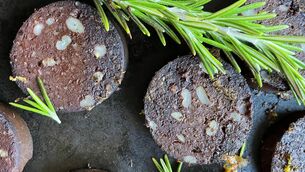
First, caramelise the almonds by melting the butter and sugar in a frying pan over medium-high heat. Add the almonds and toss everything together, cooking until the sugar and butter turn to caramel and the almonds are well coated and sticky. Turn out onto a piece of parchment on a tray and leave to cool. Break up into individual almonds and set aside.
Make the dressing by whisking all the ingredients together in a medium-sized bowl and set aside.
Blanch the sprout quarters in salted boiling water for 3 minutes and then drain. Leave to cool a little and toss in a bowl with the clementine segments, apple slices, chopped parsley, almonds and a good pinch of sea salt. Turn out onto a serving platter and generously drizzle the dressing over it.
Clementine curd
This is a wonderfully festive alternative to lemon curd, which although not as zesty and sharp as lemon curd, is delightfully warm and sweet
Servings
4Preparation Time
5 minsCooking Time
10 minsTotal Time
15 minsCourse
DessertIngredients
250ml clementine juice
Zest of 5 clementines
Juice of 1 lemon
30ml runny honey
Pinch of sea salt
2 whole eggs plus 2 egg yolks
80g butter, softened
Method
In a small saucepan over medium heat, bring the clementine juice and juice of one lemon to a gentle simmer. Simmer until the liquid has reduced by about a third. Turn the heat off and stir in the honey, salt and zest.
Beat the eggs and egg yolks together and add to the saucepan, stirring over a very low heat for around 10 minutes. The mixture should thicken nicely into a curd that will coat the back of a spoon. Take off the heat and stir in the butter, one teaspoon at a time until it is well emulsified. Pour into sterilised jars and place in the fridge. Should keep for two weeks.