Derval O'Rourke: Tips for rest and recovery after exercise
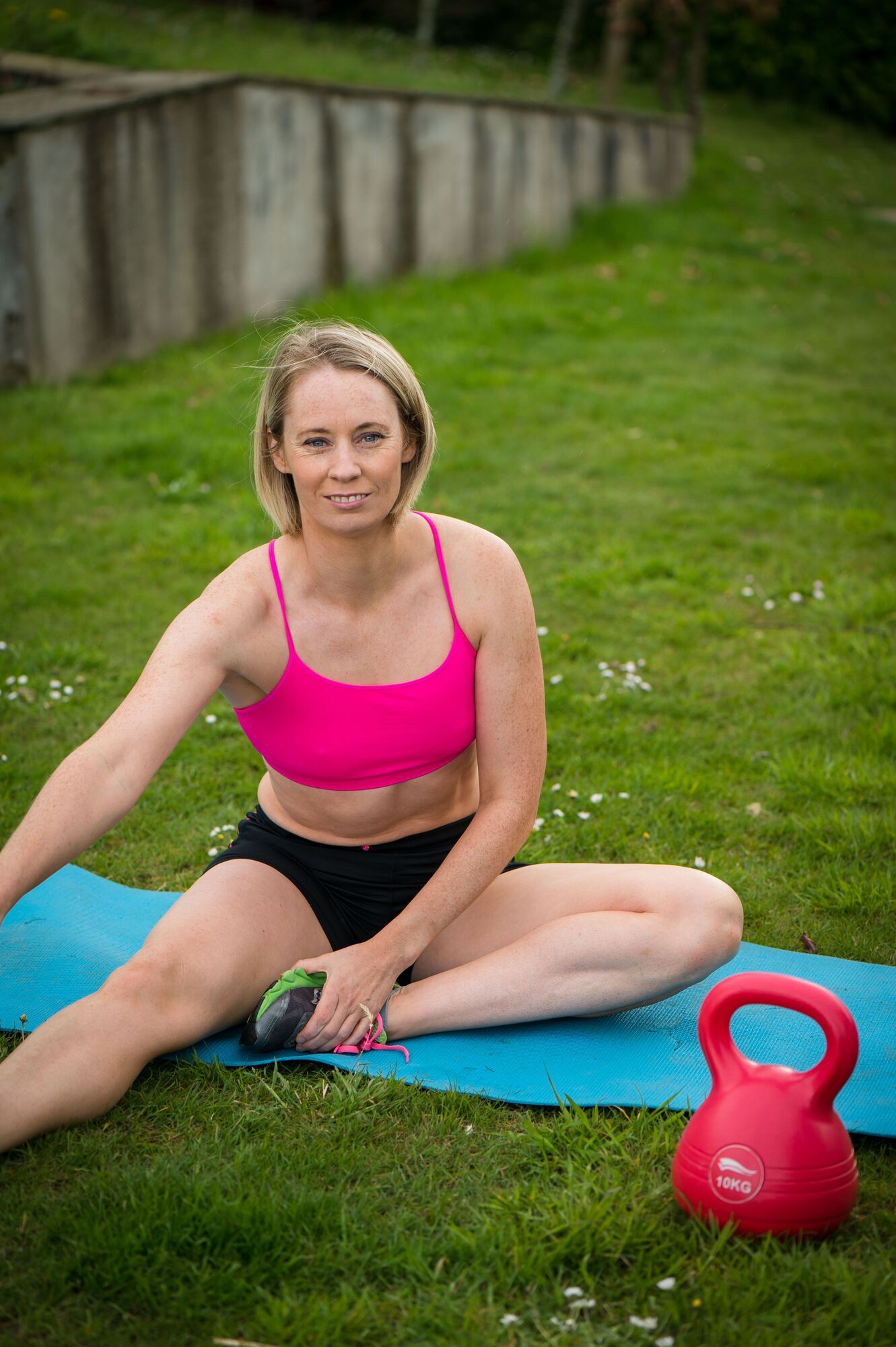

I frequently write about tips for exercising and, while it’s amazing to get moving, when is it time to rest and recover? This week, let's discuss some hugely important recovery tips. Restrictions are easing all of the time, lots of team sport is open, we can go for walks/runs in more places now, so keep these tips in mind if you feel you need to re-evaluate your exercise. For this week’s recipe, here's one of my favourite salads: Summer Strawberry Salad.
A key element in my training as a professional athlete was knowing how to rest and recover. This was particularly important when I got injured or sick. Here are my tips for navigating through your exercise regime to include recovery but also to deal with injuries:
I regularly trained whilst in pain during my athletics career. I was always trying to push the boundaries. Looking back I know that this was a terrible idea and that I should have been stricter on stopping when I was in pain. It took me a really long time to learn to manage injuries properly and to really value rest.
For the everyday athlete I feel that’s key: do not keep exercising in pain. If running is causing you pain then stop until you can resolve the issue. Ask yourself 'is the risk I’m taking for this one run worth the potential reward from the one run?' The answer is almost always no — the risk does not outweigh the reward.
If you find that your exercise routine is very stop-start with niggles and injuries, consider an expert. Rather than sitting around and waiting for the pain to get better, go to see an expert. Ask around and see who has a good reputation for getting results with improving your injuries. There are lots of experts but some are better than others. Also, consider what your pain is and who is good at dealing with that specific area.
This might seem to contradict the top point but I swear it doesn’t! I recently started doing yoga, as I mentioned here recently. Whilst for me beginners' yoga is not a big workout what it definitely does is tick the ‘recovery’ box. I do it mid-week and I find it really supports my body feeling good on the days that I do exercise at a higher intensity.
Consider what you can do to rest and recover. Simple things such as an epsom salts bath, going to bed early, and reducing time looking at screens will all help you feel good. Think of those things and start to put them into your diary. I always consider sleep and how I can bank this to feel good.
If you are injured then you need to think about a treatment plan. Physio and treatment can be expensive. It’s worth checking if you get any physio appointments with your insurance policy (if you have one). I would always ask the service provider for a rough guide as to how many visits you may need, this helps to keep track of the progress and of your spending. If you are struggling to get better after a certain amount of visits then review your approach and talk to your service provider about potentially referring you on.
Fitness Tip: Put as much focus on your rest and recovery as you do your session/workout. You should plan your rest days around your workouts.
Wellness Tip: Make a new morning routine a habit. I’m trying to keep the first 30 minutes of each morning screen-free. I will either write a to-do list for the day, or read a couple of pages from my book. Then it’s coffee time! I find this is a really good start to my day.
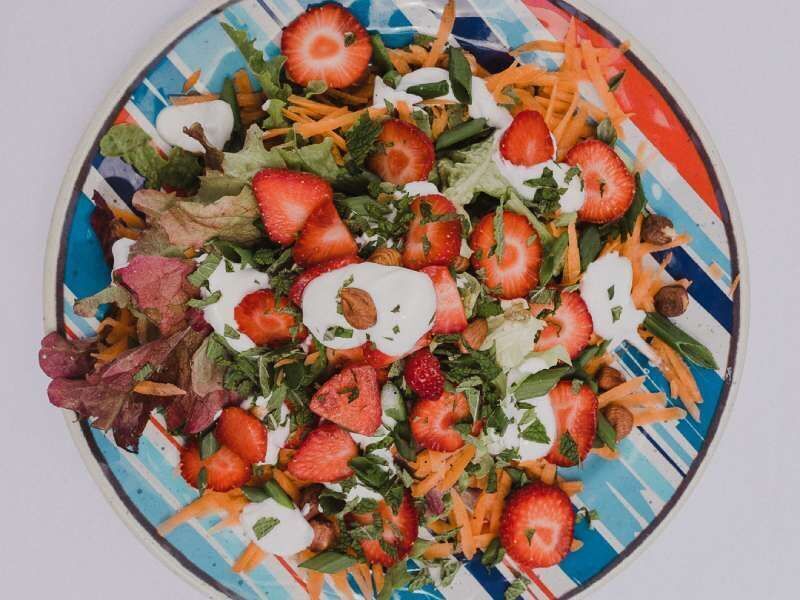
This salad requires minimal ingredients or effort yet is packed with flavour and nutrition. I love to add leftover chicken for a protein punch, you could also try feta, grilled halloumi or torn buffalo mozzarella.
Serves: 6, as a side
Prep time: 10 minutes
- 2 carrots, grated
- 50g hazelnuts, toasted
- 4 spring onions, thinly sliced
- 1 punnet strawberries, roughly sliced
- Large bunch of mixed leaves
- Bunch of fresh mint leaves, roughly torn
- Natural yoghurt, to serve
Add all ingredients, except the yoghurt, to a large mixing bowl. Toss well to combine and drizzle the yoghurt over them. Serve with some fresh bread on the side.