Farm View: Increasingly digitised farming means more cyber threats
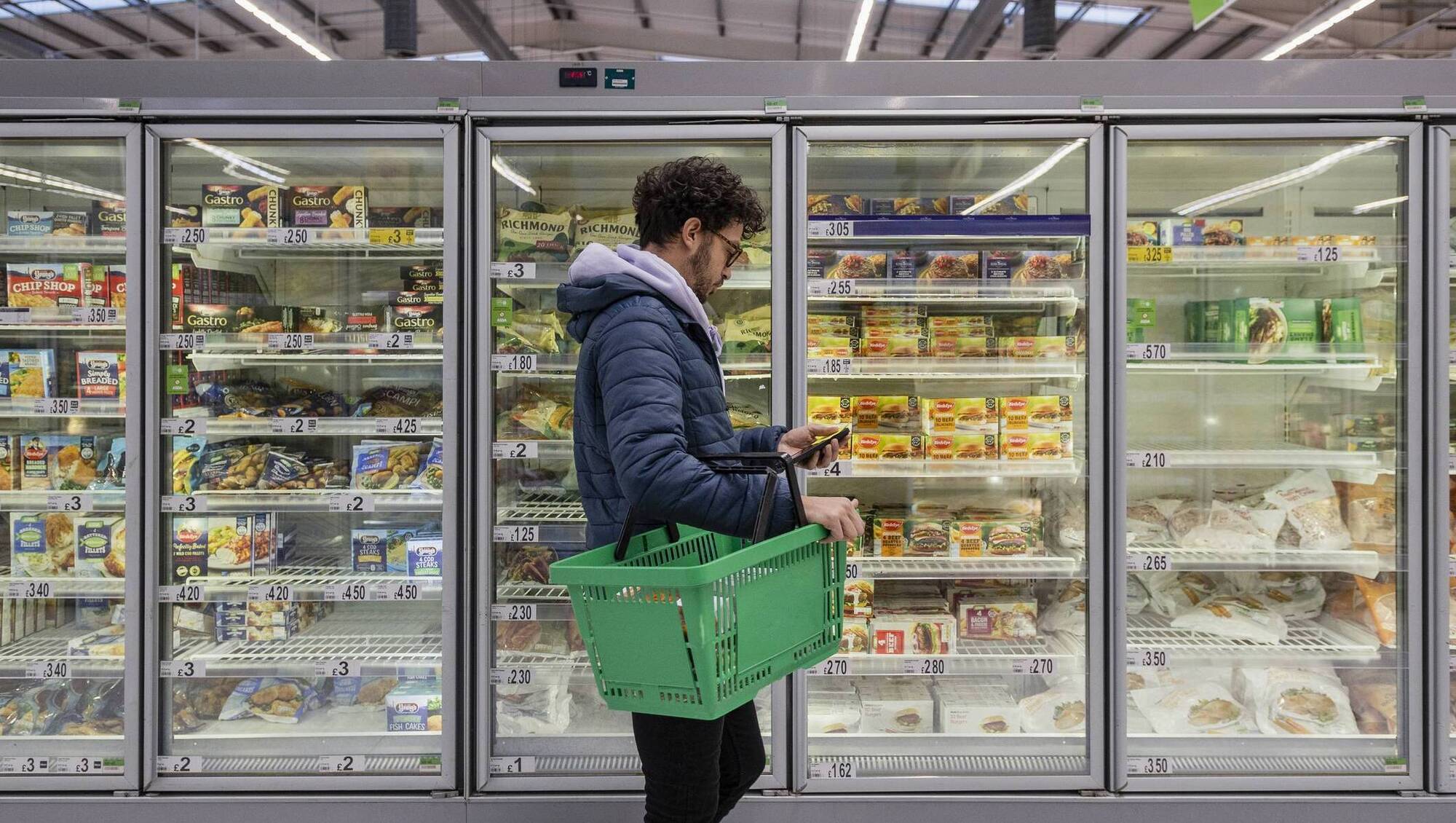
The grocery cold aisles can typically be controlled over the internet, but hackers took advantage of vulnerabilities in old software that the shops had not supported with system updates.
The EU wants to drive digitisation of agriculture onwards, but recent events have highlighted the cyber threats to a digitised agri-food sector.
Most recently, hackers forced the temperature of freezers and fridges up to 122 degrees Fahrenheit at hundreds of French supermarkets, causing food spoilage and fires.
The grocery cold aisles can typically be controlled over the internet, but hackers took advantage of vulnerabilities in old software that the shops had not supported with system updates.
At least 350 supermarkets of the Carrefour, Monoprix, Intermarché and Coopérative U chains were affected, only a small fraction of the total number in France.
Towards the end of August, Army agents were investigating refrigeration outages at up to a dozen stores on at least six army bases. Some reported their appliances went into defrost mode, causing thousands of euros of food to spoil.
Across the global food industry, companies have learned that computerisation is accompanied by cyberattacks.
Read More
As far back as 2021, JBS Foods, part of the world’s largest meat and food processing company, was reported to have paid a ransom of about €10 million, after a cyberattack halted processing for days at 47 Australian and nine US sites. The FBI and the White House publicly attributed the attack to a Russian-speaking cybercriminal syndicate.
In September 2025, Asahi, Japan’s largest brewer, suspended digital service systems across its business units, including many of its 30 breweries, due to a major cyberattack. It is estimated to have cost the company nearly €30m in lost revenue.
In 2025 in the USA, nationwide grocery distributor United Natural Foods suffered a ransomware attack resulting in lost sales of up to €400m, and a net income loss of up to €60m. That attack has been linked to Scattered Spider, a financially-motivated cybercrime collective.
Attacks are largely thought to be opportunistic, with hackers scanning indiscriminately for exposed systems that they can compromise.
What about farmers, now that anything from their self-driving tractors to livestock shed climate control may be connected to the internet?
And the EU wants more of that, promoting crop sensors and ear tags, and digital solutions, for example to control cattle mineral intake, increase milk production, detect livestock diseases earlier, and reduce farms’ environmental impact.
In 2023, farmer Vital Bircher in Switzerland lost his herd monitoring systems in a ransomware attack. His calf, and a cow which had to be euthanised, are reckoned to be the first confirmed livestock deaths from a cyberattack.
Will there be more such events, now that artificial intelligence makes it easier to carry out cyberattacks, and senior EU leaders warn that the Russians could disrupt food supplies with cyberattacks?
It seems that no food or agricultural business is immune. They are advised that one of their most effective tools is multi-factor authentication (MFA) on everything related to the business, such as email, financial platforms, cloud applications, inventory and logistics systems, and remote access.
Software updates to fix vulnerabilities and kill computer bugs are also recommended.
Changing the default password on a new sensor or device is crucial, along with building cyber awareness among employees. And providers can be hired to audit and update all the farm software.
Sectors such as banking and healthcare have been through it from the start; now farmers may need to get up to date.