Denis Hickey: Knocking a month off our finishing age
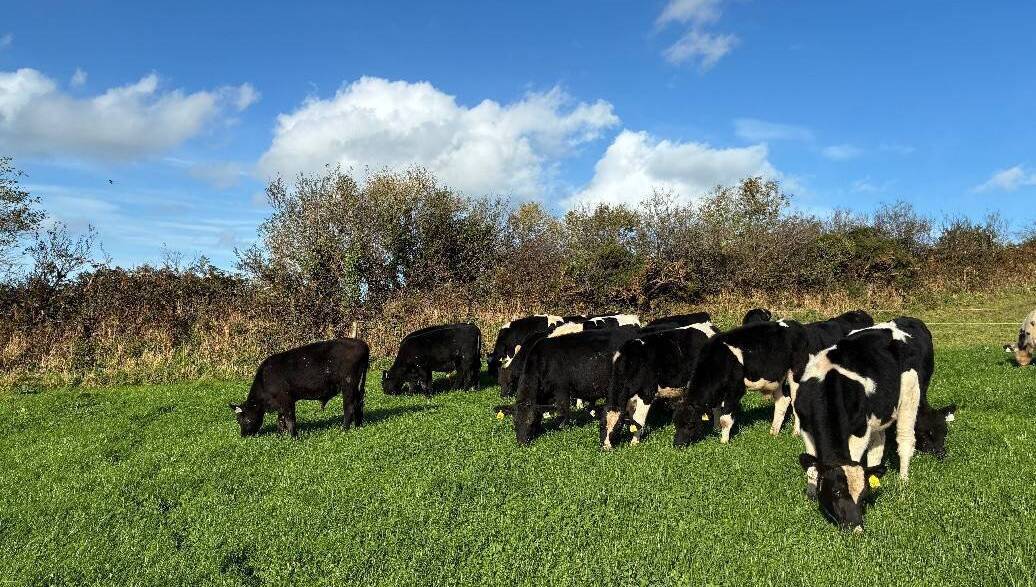
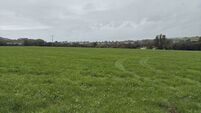
Bull calves at grass. Pictures: Denis Hickey
The recent improvement in grass growth has been very welcome here on the farm following the difficult summer we experienced with drought.
Since the rain arrived in September, grass has responded very well, and it is encouraging to see the fields green and growing again. This has given me an opportunity to keep cattle grazing and make the most of the remaining weeks before winter sets in.
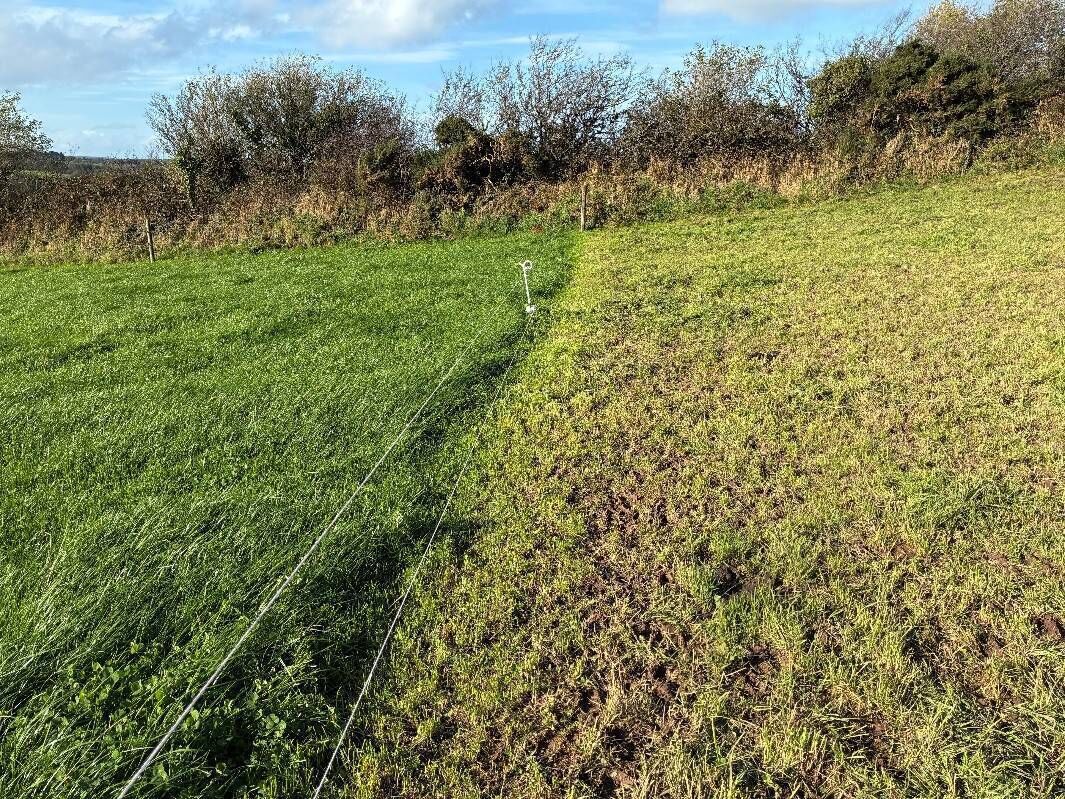
Growth has been very strong; graze-outs have been good so far, but depending on the weather, I will probably struggle to get some paddocks properly grazed off and set up for the spring with the amount of grass that is currently on-farm.
I recently weighed the calves and the steers at grass to assess how they have performed and to help plan for the months ahead.
The 102 calves were weighed on September 9 and averaged 216kg. They were 180kg at their previous weighing, representing an average increase of 36kg per calf, with average daily liveweight gain since the previous weighing of 1.2kg.
Read More
This level of gain over the drought period was very satisfactory, but they did eat a nice bit of additional concentrates to get them to this weight!
There was a considerable spread in weights, ranging from 131kg to 269kg. While the average daily gain is encouraging, I need to keep an eye on the lighter animals and make sure they get the attention they need to keep them on track with the others as we move towards winter.
All calves are at grass in groups of around 30. They are receiving 1.5kg of concentrate and have access to straw. The bull calves were castrated using Burdizzo in the last couple of weeks.
The 30 steers at grass were also weighed in September. They averaged 497kg (range 449kg to 534kg), compared with 453kg when last weighed on June 13, giving an average increase of 44kg and an average daily gain per head since June of 0.47kg.
This ADG was disappointing, but they only received silage and, in hindsight, maybe I should have fed some fodder stretcher ration?
Looking more closely at the figures, the 10 lighter steers averaged 470kg, while the 20 heaviest, including 10 Friesian steers, averaged 511kg.
These weights are useful when deciding how I should manage the cattle individually, rather than treating the entire group the same.
The plan is to graze these steers as long as weather allows, weigh them, select the heaviest 15 for finishing, and the lighter 15 may be sold live, depending on trade at the time.
At the end of September, I sent five heifers to Kepak, Watergrasshill, Co Cork, for slaughter. They averaged 299kg carcass weight, with individual carcass weights ranging from 288.5kg to a top of 321.8kg.
The carcass grades were from O− to O+, while fat scores ranged from 2+ to 4-. These results give me a useful indication of how the heifers are finished and will help me assess the remaining cattle.
One of the heifers graded 2+ and maybe could have been kept another two to three weeks?
It’s important for me to keep an eye on age at finish. In 2025, I finished some heifers at 20.2 months. This year’s heifers are gone at 19.4 months.
It’s going in the right direction, and I would be very happy with that age at finish.
Weighing the cattle on a regular basis is part of that. It allows me to identify any issues with weight gains and make changes, if needed.
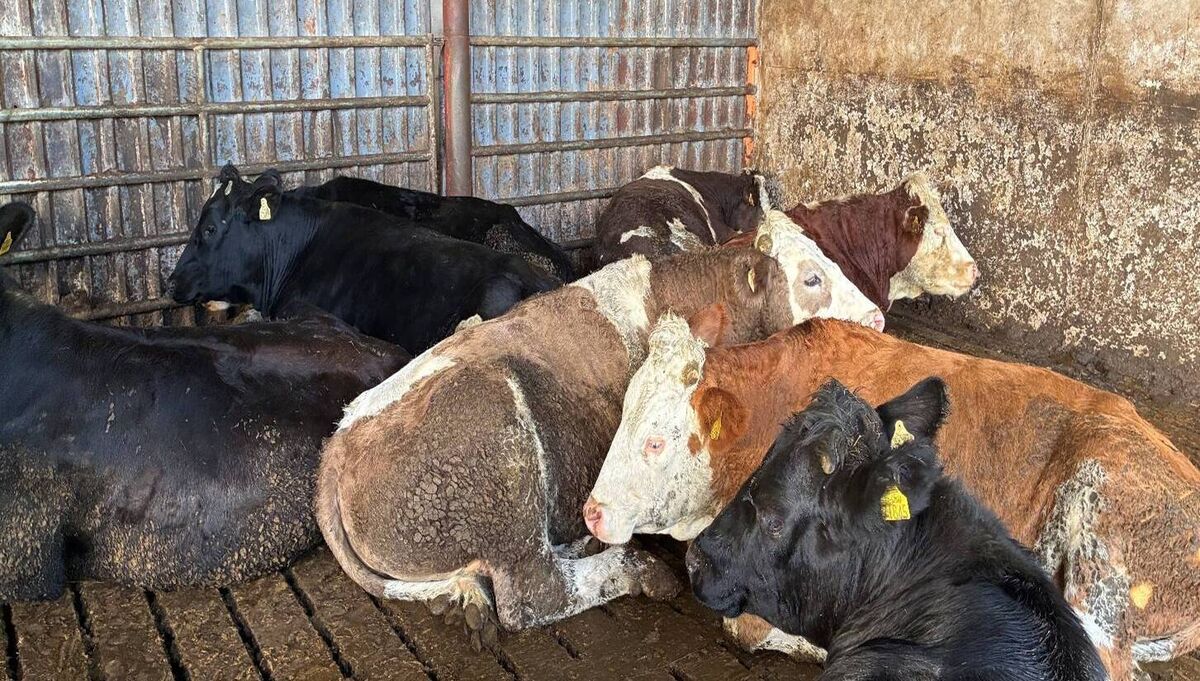
There are still 36 heifers and 18 steers in the shed being finished at present. There are some probably very close to being finished, and I will do another draft from these in the next seven to 10 days.
Over the coming weeks, I will focus on grazing out paddocks well, while starting to close up approximately 12-13 acres per week from now on.
Heifers and steers will be drafted as they come fit. The weanlings will get their booster pneumonia vaccination shortly also.
- Denis Hickey runs a calf-to-beef operation outside Midleton, Co Cork. His Teagasc DairyBeef500 adviser is Gordon Peppard.