Brian Reidy: Breeding plans now for autumn 2027 calving
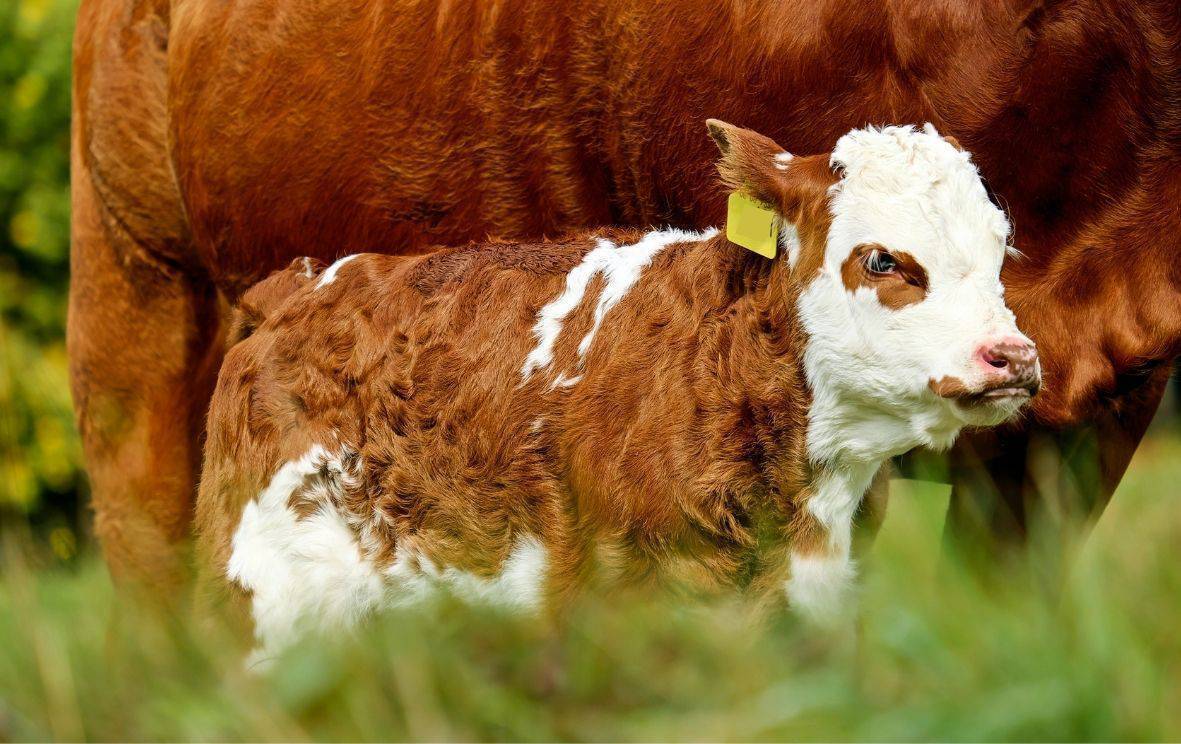
We plan to start breeding around the 20th of November and want cows settled on their winter diet before we start.
Autumn calving Dairy and Suckler herds will start breeding soon. Thankfully, most are only being housed in many parts of the country.
I housed Cows with September- and October-born calves yesterday (Wednesday), as grass cover is getting low and I want to keep the remaining spring cows rearing calves out for a few more weeks if I can.
I will be doing a pre-breeding scan in the coming week. Any tail clipping, dosing and updating of heat detection collars will be done in the week after housing. We plan to start breeding around the 20th of November and want cows settled on their winter diet before we start. That will have the first calves on the ground at the start of August. Average gestation at home with Charolais and Limousin semen being used is 288 days.
Cows, be they milking or rearing a calf, need to be in positive energy to improve conception rates. Cows that are in a negative energy show poorer signs of heat, have shorter heats and don’t go in calf as easy.
Matching nutrient supply to the cow’s genetic potential and her parity is very important. Where possible, 1st and 2nd calvers who are still maturing will benefit from extra supplementation. Concentrates need to be appropriate to balance the forages being offered. Be aware that many silages, with the exception of those made after the drought, are again low in protein this season. Protein is not cheap but is a critical driver of feed intake, and cows that eat more have more energy available for milking, solid production, body condition and ultimately fertility performance. The first thing a cow won’t do is go in calf if she doesn’t get enough energy from calving to service.
It is so important to know the quality of your base forage before you devise a feeding plan for any stock. If you plan to feed no concentrates to your autumn Sucklers rearing calves, then you really must have excellent silage. There is not much silage like that on beef farms this year! Supplementing silage will almost always be necessary to get cows back in calf and keep supplying sufficient quality milk to calves. If a suckler cow is losing excessive condition post-calving, she is in negative energy and fertility will suffer. Apart from supplying energy, any concentrates fed to the cow rearing a calf will also supply a source of minerals required to improve reproductive performance. If you are only feeding straight silage to cows, consider a mineral bolus and/or top dress with a mineral. The mineral status of silages this year is variable, so supplementation is essential to boost animal performance.
Accurate heat detection is such an important part of good fertility in any herd. If you don’t submit a cow to AI or to the bull, she can’t go in calf. Keep good records of any heats you see regardless of if you are using AI or a stock bull. One of the main purposes of this should be to allow you to identify cows not cycling and in need of intervention. Heat detection aids such as Tail Paint and Scratch Pads are every bit as useful indoors as they are outdoors. A large proportion of dairy and suckler herds now use heat and health monitoring systems to help with heat detection and achieve more accurate timing of AI. These systems are also ideal for identifying cows that are not bulling and will allow you to do something about it. These cows can be scanned to identify any issues they may have, such as uterine infections or damage caused by a previous calving, which may have gone unnoticed. If a significant number of cows are not cycling, don’t ignore the possibility that the pre- or post-calving nutrition may not be what is required.