Exit poll for Israel election shows no clear winner
An inconclusive result would leave Israel in political limbo after the country’s first national election since the October 7, 2023, attack by Hamas.
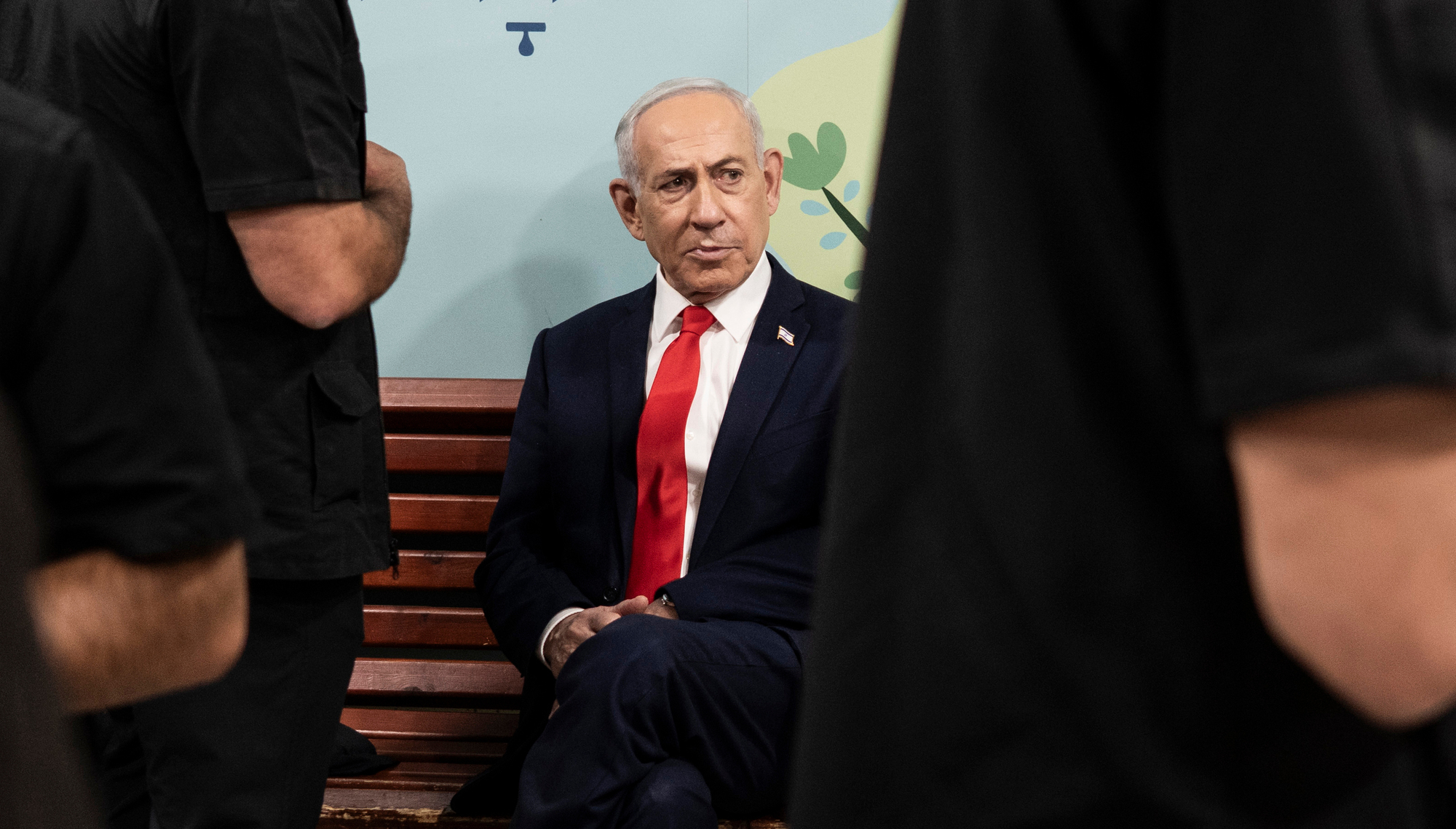
Israel's Prime Minister Benjamin Netanyahu sits on a bench after voting at a polling station in Jerusalem earlier today. Picture: Jewel Samad/Pool Photo via AP

Israel's Prime Minister Benjamin Netanyahu sits on a bench after voting at a polling station in Jerusalem earlier today. Picture: Jewel Samad/Pool Photo via AP

Israel’s election ended last night with no clear winner, exit polls indicated, likely setting off weeks of jockeying before a prime minister is declared or another round of elections is scheduled.
Exit polls released by major Israeli TV stations suggested that neither prime minister Benjamin Netanyahu’s political bloc nor that of his main rival, former military chief Gadi Eisenkot, secured the 61 seats needed for a parliamentary majority.

Those polls indicated that Mr Netanyahu’s bloc won 50 seats, the opposition won 52-53 and Arab parties won 17-18. A strong showing by Arab-led parties could allow them to decide the next prime minister, but both blocs have up to now refused to partner with them.

Mr Eisenkot said late yesterday that exit polls indicated a “lack of confidence” in the current prime minister, adding: “I will act immediately to fulfil the decision of the country.”

Like all surveys, exit polls are subject to potential error. Preliminary results are expected in the coming hours. Final results are expected in the coming days, and may vary from the exit polls.

An inconclusive result would leave Israel in political limbo after the country’s first national election since the October 7, 2023, attack by Hamas.

The race is widely seen as a referendum on Mr Netanyahu’s near-unbroken 17-year rule, which had left Israelis bitterly divided on a host of issues even before the deadliest attack in its history.

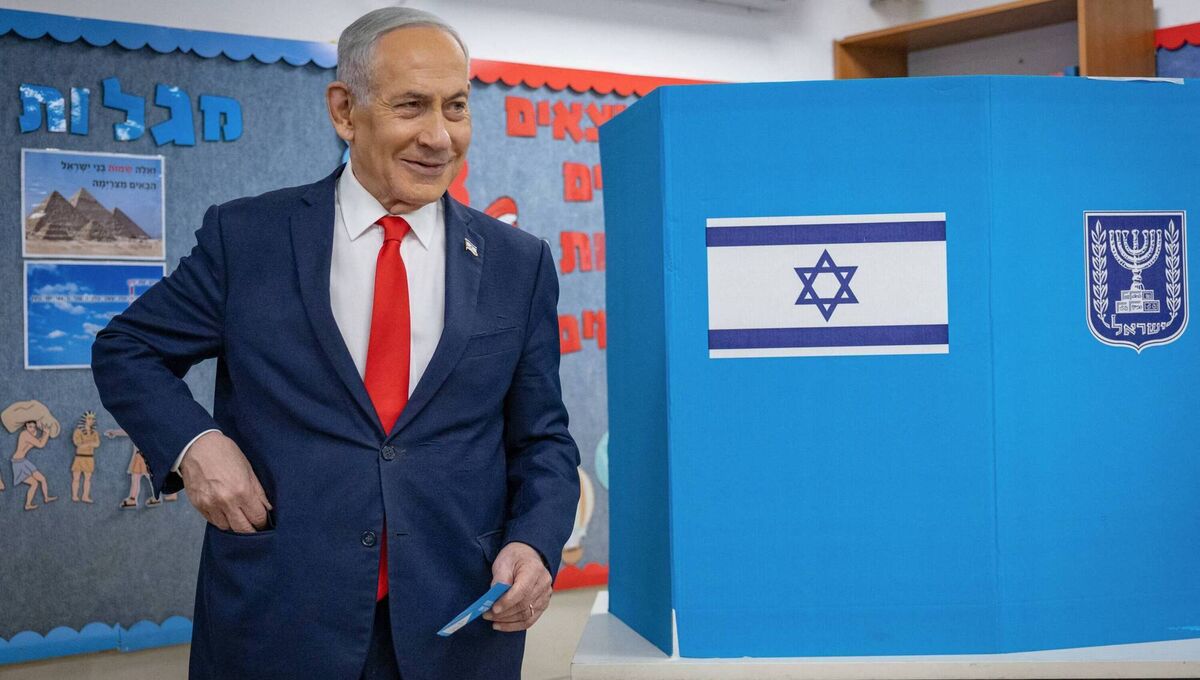
Israel's prime minister Benjamin Netanyahu reacts after filling out his ballot before voting at a polling station in Jerusalem on the day of Israel's legislative election. Picture: Yonatan Sindel / POOL / AFP via Getty Images

The resulting wars in Gaza, Lebanon, and Iran, along with violence in the occupied West Bank, have stoked worldwide outrage, straining ties with Israel’s closest allies.

Among Israelis, the election is widely seen as a struggle over the character of the state, pitting Mr Netanyahu and his ultranationalist and religious allies against those seeking to preserve its liberal and secular foundations.

Outside Israel, it is mainly about the country’s reputation — and the security of Jewish people worldwide — after growing criticism over the war in Gaza and Jewish settler violence in the occupied West Bank.

Israel has found itself increasingly isolated over its conduct in Gaza and the West Bank.

Public support among Americans has plummeted, and partners in Europe and elsewhere have slapped sanctions on Israel.

Also hanging over the election are lingering tensions with Iran. Mr Netanyahu ramped up threats against the country ahead of the vote.

He appeared in a video this week standing beside a missile-defence battery and warned Tehran it would face “a devastating blow” if it attacked Israel.

Mr Netanyahu’s supporters see him as a steady hand and a consummate statesman who they believe has triumphantly guided Israel through multiple wars.

They think he is protecting Israel’s Jewish identity while keeping in check what they see as an interventionist judiciary.

His Israeli detractors see him as a polarising leader who, beset by an ongoing corruption trial, prolonged the war in Gaza and its hostage crisis for political reasons.

They say he is undermining Israel’s independent judiciary and weakening its democratic underpinnings.

And they accuse him of abetting a system that has allowed ultra-Orthodox religious Jews to avoid compulsory enlistment in Israel’s military.

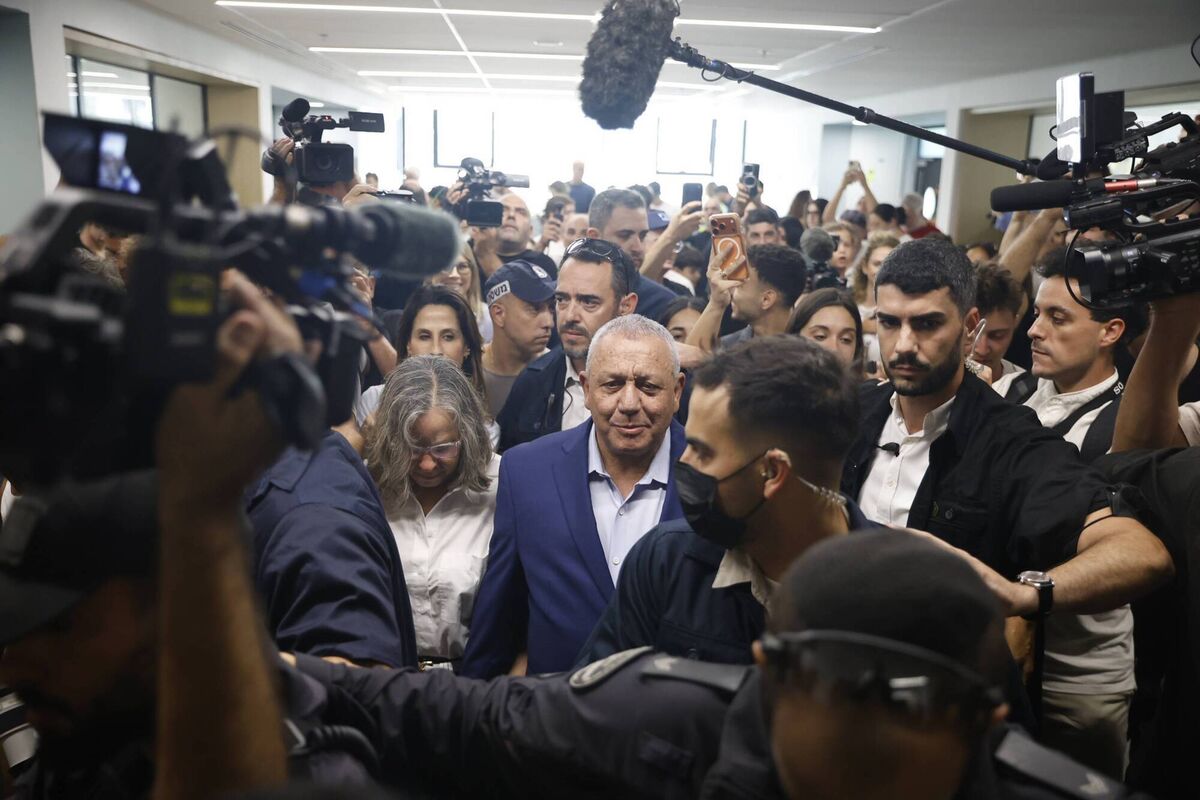
Yashar Party leader Gadi Eisenkot arrives to vote at a polling station in Herzliya during Israel's general election. Picture: Amir Levy/Getty

Mr Eisenkot is viewed by supporters as a capable leader with sterling security credentials who, along with his likely governing partners, could act as a bulwark against creeping illiberalism.

As someone personally touched by the conflict — his son and two nephews were killed in Gaza — his backers believe that he deeply feels the pain that still courses through Israel three years after the attacks.

Parties that would be likely to throw their support behind Mr Eisenkot have vowed to improve Israel’s international standing and work to conscript ultra-Orthodox men while also bolstering the independence of the judiciary.

Meanwhile, British foreign secretary Ed Miliband said he was “deeply concerned” after MPs said they were detained for eight hours by Israeli authorities and denied entry to the West Bank.

Labour’s Clive Lewis and the SNP’s Lara Bird, along with MSP Kate Nevens of the Scottish Greens, said they were interrogated and denied access to the territory on Monday.

Mr Miliband told the Commons today that the British government has now raised the issue with the Israeli authorities.

The MPs had travelled as part of a delegation organised by political group Progressive International.

According to Progressive International, the group — which also included former MP Sam Tarry and Spanish senator Josu Estarrona Elizondo — was stopped while making the crossing from Jordan and had planned to undertake “a programme of meetings with Palestinian academics, students, and civil society organisations”, as well as join the olive harvest following what it claims are “mounting attacks” against farmers in the territory.

The Israeli embassy said the group were refused entry after “providing false information about the purpose of their visit” and failing to co-operate with officials.

More in this section

Cookie Policy Privacy Policy Brand Safety FAQ Help Contact Us Terms and Conditions

© Examiner Echo Group Limited