Beef finishers need €7.64/kg to break even as meal prices rise
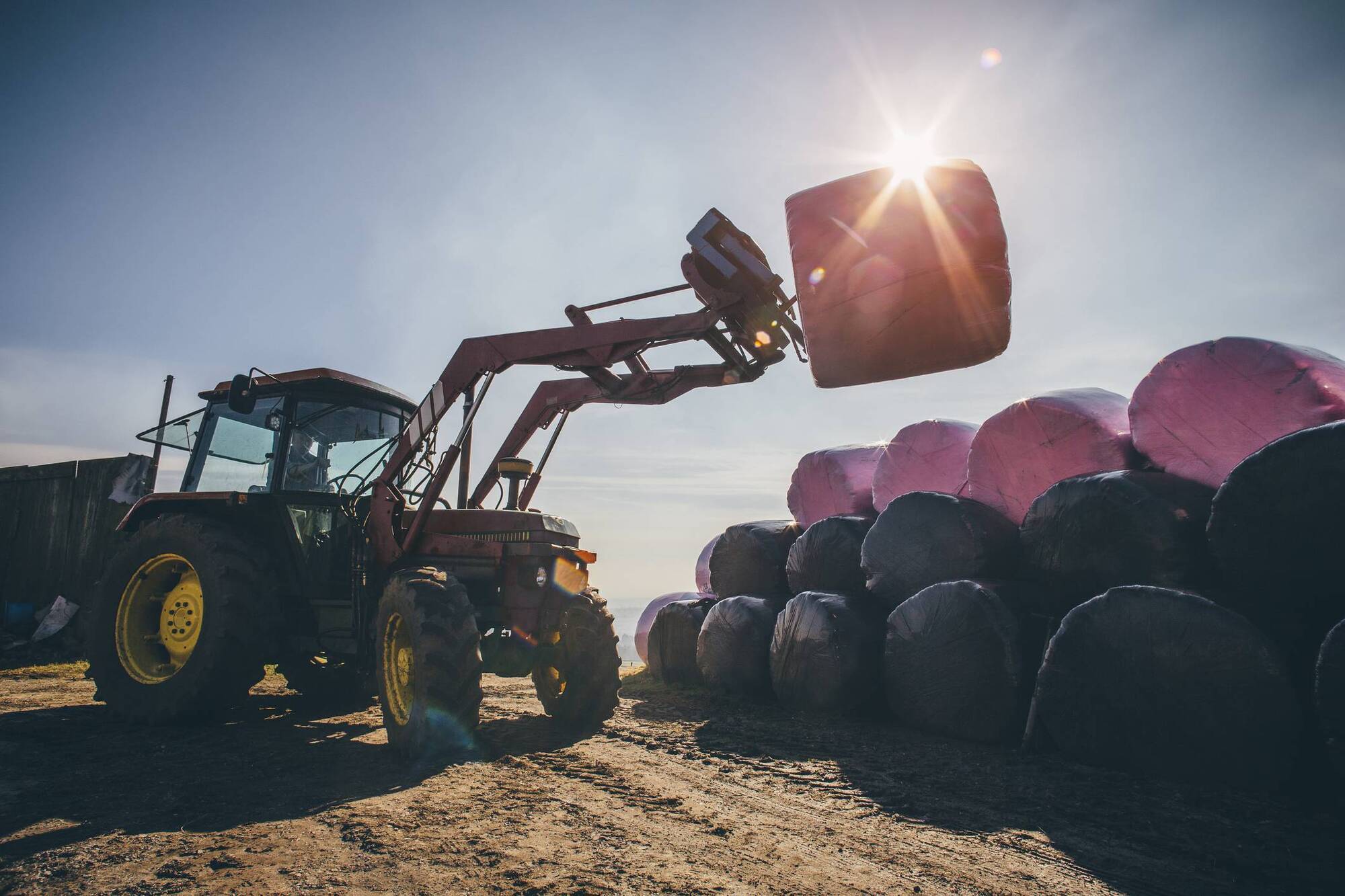
Silage costs have risen from €45 a tonne to about €50 to €51 a tonne.
How input cost increases have affected the economics of beef finishing was explained by Teagasc Cattle Specialist David Argue in a recent Beef Edge podcast.
“The first thing that's increased would be our silage and our contractor charges. Last year, silage would have been costing in or around €45 a tonne. That figure this year has increased to about €50 to €51 a tonne.
“Last year, we would have used a figure of €340 per tonne for meal.
“Up until September this year, that hadn't really changed a whole lot. It was sitting around €345 a tonne. But from the first of October, that price has changed, and that €25 to €30 a tonne added on to a lot of meals from that date is going to have a knock-on effect”.
“Where we're feeding under-16-month bulls, they can eat a lot of feed”. Argue said it can add up to 1.8 tonnes.
“That's €55 of an additional cost to go onto that system, because meal increased by €30 a tonne. So, what do we have to get extra, or above and beyond our break-even price, to cover that additional €55 or €60?
“If you work back from a carcass weight point of view, say a 400 or 420 kilo carcass divided by our €55, you're looking at an additional €0.13 or €0.14 extra, just to cover the cost of that increase in meal.
“And the exact same exercise can be done with silage or with whatever other costs we have on the farm.” Argue explained.
“Vet costs have increased slightly, only a couple of percentage points, but all these things combined together are going to have an effect on the bottom line when it comes to feeding those animals”.
He added that animals have to be bought, transported, and levies have to be paid, and these costs are also slightly higher this year.
“The fixed costs are often forgotten about. If a tractor has been changed last year and upgraded, and there was €20,000 spent on it, or if there was maybe work done around the yard, improving a handling facility, or whatever the case may be, that cost has to go against these cattle”.
“In most of the budgets that we have completed, the fixed costs are running from roughly 45 cents per day to about 60 cents a day, depending on the length of the finishing period”, Argue said.
The Teagasc Cattle Specialist set out the economics of buying and finishing cattle based on the latest Teagasc beef finishing budgets.
He calculated that a 540-kilo continental bullock, born in the spring of 2025, for killing as a two-year-old in the spring of 2027, has to make €7.64 per kilo of the expected 390-kilo carcass, just to cover its buy-in price and finishing costs.
An additional €0.26 per kilo is needed on top of that break-even price for every €100 of profit for the finisher.
He suggested that paying more to purchase a heavier animal could result in a lower cost per kilogram of beef produced.
“For example, a 380-kilo bull weanling, when we did the budgets up for them, we were looking at maybe €5.10 a kilo for them, whereas you could buy a 450 or 480-kilo bull weanling at about €4.90 a kilo, so it is quite a big difference there. You don't put on that additional 70 or 80 kilos for nothing on the farm”, he said.
He said the Teagasc beef budget for dairy calf-to-beef runners hasn’t changed much from last year.
For example, a 220 kilo steer bought now for the first winter in the shed, to go back to grass next summer before housing next winter and be fed for 100 days, will be 630-640 kilos when killed in the spring of 2028.
“At the moment, that bull calf is costing, roughly speaking, just over €5 a kilo, so a 220 kilo weaning is costing just over €1,100”.
The expected cost from runner to finish is around €1,080, for total cost, including purchase, of around €2,200. “So that'll mean that there has to be a price there of just shy of €7 to cover the costs of that system”, Argue said.
He said the weight for age of calves at the time of purchase is a key piece of information. “If we're buying those calves, let's say spring-born, and we're buying them now at 180 or 190 kilos, there's something wrong there. Those calves haven't achieved their required daily liveweight gain over the summer period, and that may be because of a setback”.
He warned these cattle may still be behind on the day they are slaughtered, with lighter carcass weights.