Rapid recovery in autumn grass has improved national feed supply
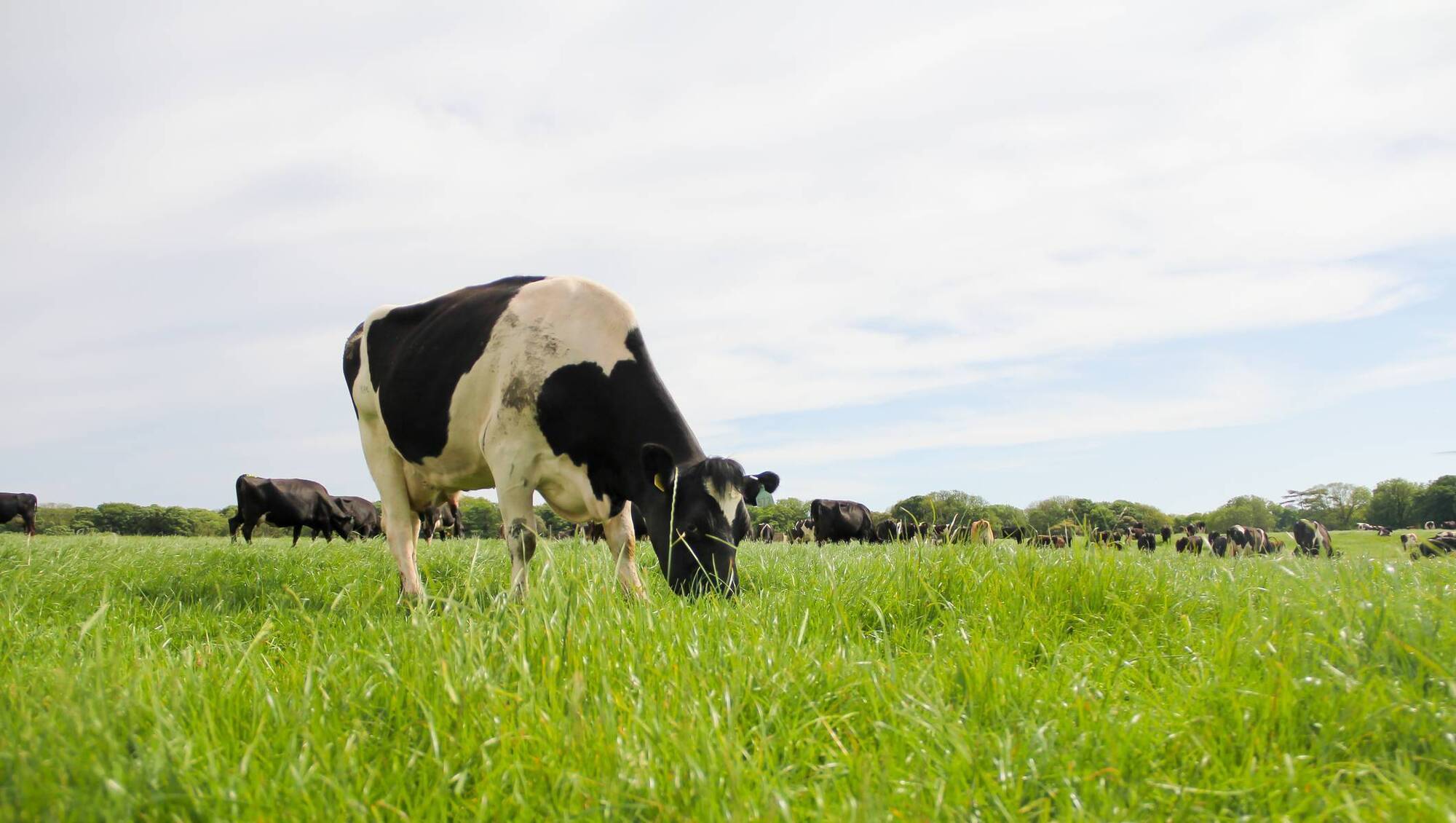
Teagasc has reported a rapid recovery of grass growth across the country.
Autumn recovery in grass growth was rapid following the drought experienced this year and has resulted in significant improvement in the national feed supply.
Grass growth varied widely throughout 2026, with major peaks experienced in May followed by a sharp decline in early August.
Teagasc has reported grass growth in early October was at 49kg/DM/ha/day on dairy farms and 37kg DM/ha/day on drystock farms.
Over the last number of weeks, Teagasc advisers have completed about 430 winter fodder budgets for drystock and dairy clients countrywide. This follows on from an initial survey completed in August and forms part of an ongoing advisory programme to promote better planning of feed security for livestock farms.
Read More
Significant improvement in grass supply has improved the overall feed supply compared to August results. Now, just over 5% of farms have severe fodder deficits, and a further 6% are at significant risk of shortages — this is in line with previous years of normal grass growth.
Nationally, on average, 71% of dairy and drystock farms are on target for adequate winter fodder supplies, with a further 17.5% close to having adequate winter feed conserved.
When analysed by enterprise, 6.1% of dairy and 3.6% of drystock farms now report shortages of less than 20%, while 63% of dairy and 76% of drystock farms report adequate or surplus feed stocks. Overall, there is a weighted average forage surplus of 3% to 5% nationally, which remains below the target of 120%.
The regional variation in feed supply evident in August has eased partially — however, the South-East region, comprising the counties Carlow, Kilkenny, Tipperary, Waterford, Wexford, and Wicklow, still has the greatest proportion of farms in the high-risk categories. Farms in this region reported heavier usage of supplementary forage feeding during July and August due to the drought.
Teagasc survey co-ordinator Joe Patton said: “The number of farms with very severe fodder shortages has dropped considerably compared to our August survey, which, of course, is a very welcome change. It is vital that farms facing this situation take action now to balance supply and demand heading into winter.”
Mr Patton said the survey showed about one in five farms were in a marginal deficit of 5% to10%.
“While this is a quite manageable deficit, we encourage these farmers to complete a fodder budget and keep numbers updated as the winter progresses, so that small deficits can be eradicated early,” he said.