The dry period: Where next year's calving season is won or lost

Laura O'Connell, Laura O'Connell is the Southwest InTouch Feeding Specialist for Alltech Ireland.
The weeks before calving are the most important period in a cow's lactation cycle.
Get this window right, and the aim is simple: a healthy calf, good quality colostrum, and a cow that comes back into full production without setback. Get it wrong, and the effects don't stop at calving; they follow her right through the lactation.
There are four key pillars to the dry cow period: nutrition, minerals, body condition score and management.
When something goes wrong at calving, it is very easy to jump straight to blaming the minerals or the diet. But that's rarely the full picture; each of these four pillars carries equal weight, and overlooking any one of them creates a pitfall in the system.
Forage is the main component of any dry cow diet, and it will shape everything else. It is worth getting a silage analysis done now, it's the only way to know what you're working with for the rest of the diet.
At Alltech, we generally advise controlled energy, high fibre dry cow diets, using 2–3kg of straw to maximise rumen fill and drive intakes after calving. With silage stocks tighter than usual this year, a high fibre diet also helps stretch what you have.
High potassium forage is something to actively avoid in dry cows, as it's a direct driver of metabolic issues after calving and slurry carries high potassium levels, even if it was spread early in the season.
A good dry cow mineral is essential, fed at least 6 weeks prior to build a proper reserve before calving. A mineral analysis of your forage is the only accurate way to know what you're actually working with, and to choose a mineral that fills the gap rather than guessing it.
It helps to understand the process end to end: minerals in the soil start off inorganic and are converted to organic form by the growing grass. The cow eats that grass and stores those minerals, in their natural form, in her body tissue for times of stress , calving being the biggest one. If we supplement with inorganic minerals, we're bypassing that natural process. The cow can't store them the same way, so she can't build the reserve she needs for calving majority of them pass straight through her.
This is why organic trace minerals matter. Alltech's Bioplex copper, manganese and zinc, and Selplex organic selenium, are absorbed, stored and used by the cow far more effectively than their inorganic equivalents. A simple check in your own yard look at the copper source on your own mineral's label. If it says copper sulphate, that's the same source used for footbathing cattle or spraying potatoes for blight. A small amount alongside an organic source is fine, but we wouldn't recommend relying on copper sulphate alone.
The benefit isn't limited to the cow, either. Organic trace minerals fed through the dry period pass through to the calf via colostrum, supporting her passive immunity from day one — not just the cow's own mineral status.
The target is a body condition score of 3 to 3.25; we want the cow calving down FIT, not FAT, and ideally dried off in that same condition.
The consequences of getting this wrong run in one direction more than the other: overconditioned cows are approximately four times more likely to develop milk fever, largely due to reduced intake after calving, at a time when the cow is already struggling for intake.
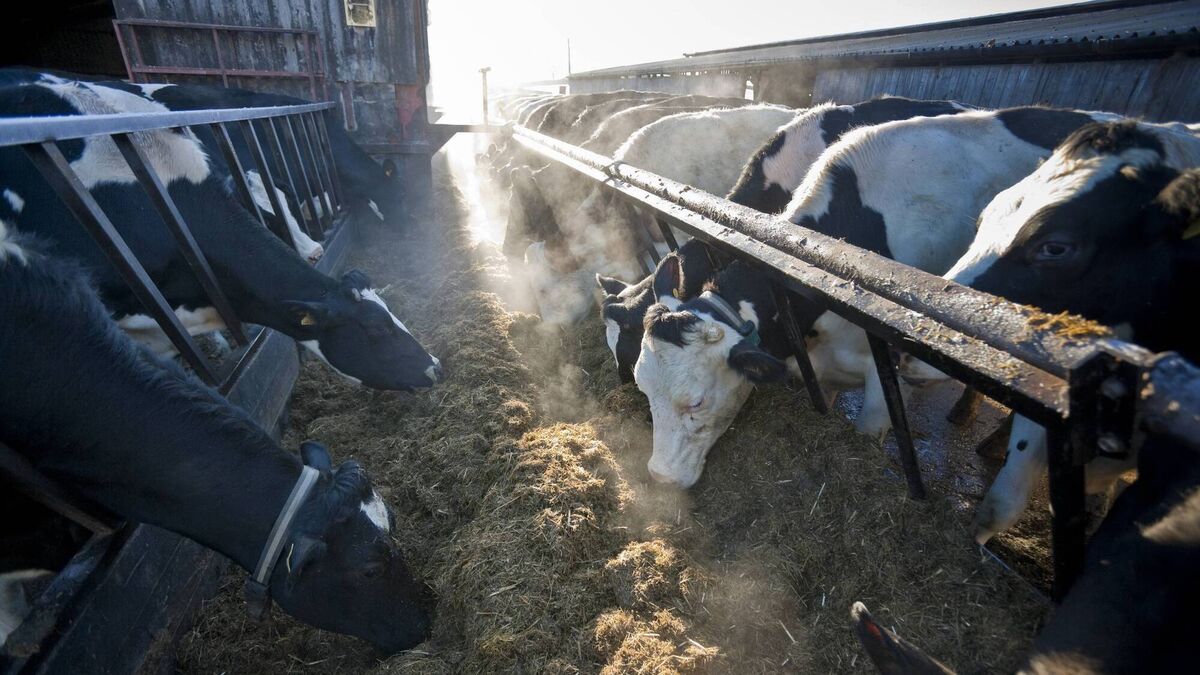
Cows thrive on consistency, and a stress-free calving environment is one of the simplest ways to protect everything else you've put in place nutritionally.
Some of the most overlooked details are the simplest: clean water and fresh feed in the calving pen. Some cows can spend a week to ten days in that pen around calving, and it's easy for dry cow minerals to be forgotten during that stretch.
Part of the problem is structural. Irish dairy farms have moved successfully to compact six-week calving, but facilities haven't always kept pace; space is tight, and farmers are constantly juggling it between milkers and dry cows. None of these issues looks serious individually, but together they create bottlenecks in the system at the exact time a cow can least afford one.
Milk fever deserves its own mention, because it's the clearest example of these pillars working together or falling down together.
There are a number of cows that are a lot more susceptible to milk fever than others: over conditioned cows, older cows, Jersey cows, and repeat offenders that have had milk fever before.
On the nutrition side, the main trigger is high-potassium silage, generally anything over 1.8%.
High potassium locks up magnesium, and magnesium is essential for calcium mobilisation and absorption. Once you know your silage's potassium level, you can supplement the right amount of magnesium, commonly through Cal-Mag, sweetened Cal-Mag, or magnesium chloride, in the few weeks before calving.
It's also worth remembering that a clinical case of milk fever is only ever the visible tip of the iceberg. For every clinical case, there are generally ten more subclinical cases. These show no obvious symptoms but still affect the cow's performance and health, and are far more common than the down cows we actually see and treat.
None of these four pillars works in isolation. A perfect mineral programme won't fix a cow that's calved down over-conditioned, and the best managed calving shed won't compensate for a mineral deficiency nobody tested for. Cover all four, and every cow and every farmer gets the best possible start to the calving season.
- Laura O'Connell is the Southwest InTouch Feeding Specialist for Alltech Ireland.