Former Vogue editor Alexandra Shulman: 'I didn’t worry that I didn’t know anything about fashion'
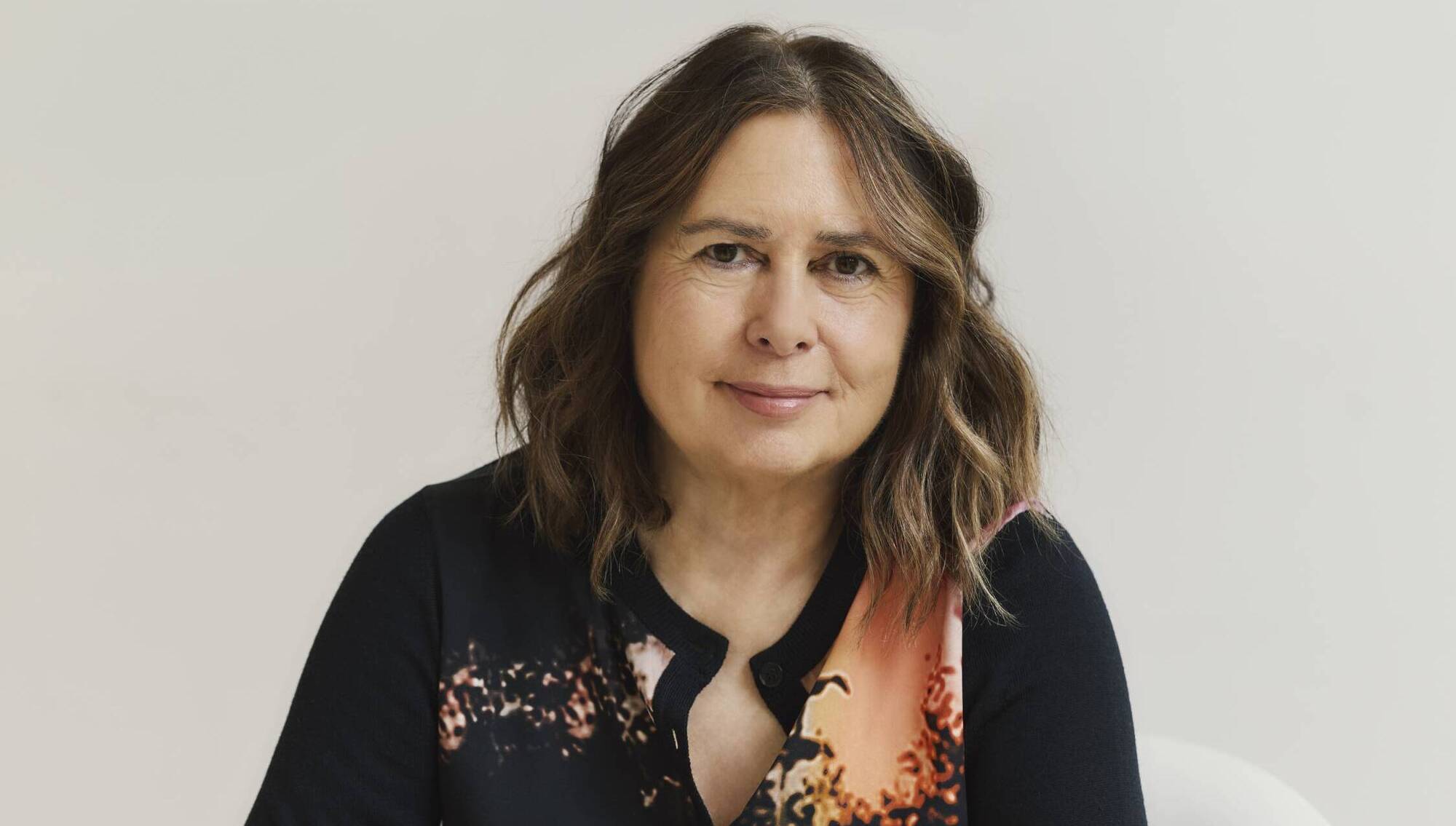
From Kate Moss and glossy magazine covers, to motherhood and family, Rachel Marie Walsh meets former Vogue editor Alexandra Shulman
Alexandra Shulman's book, 'Black Coffee and Red Lipstick: Notes on Living' is out now
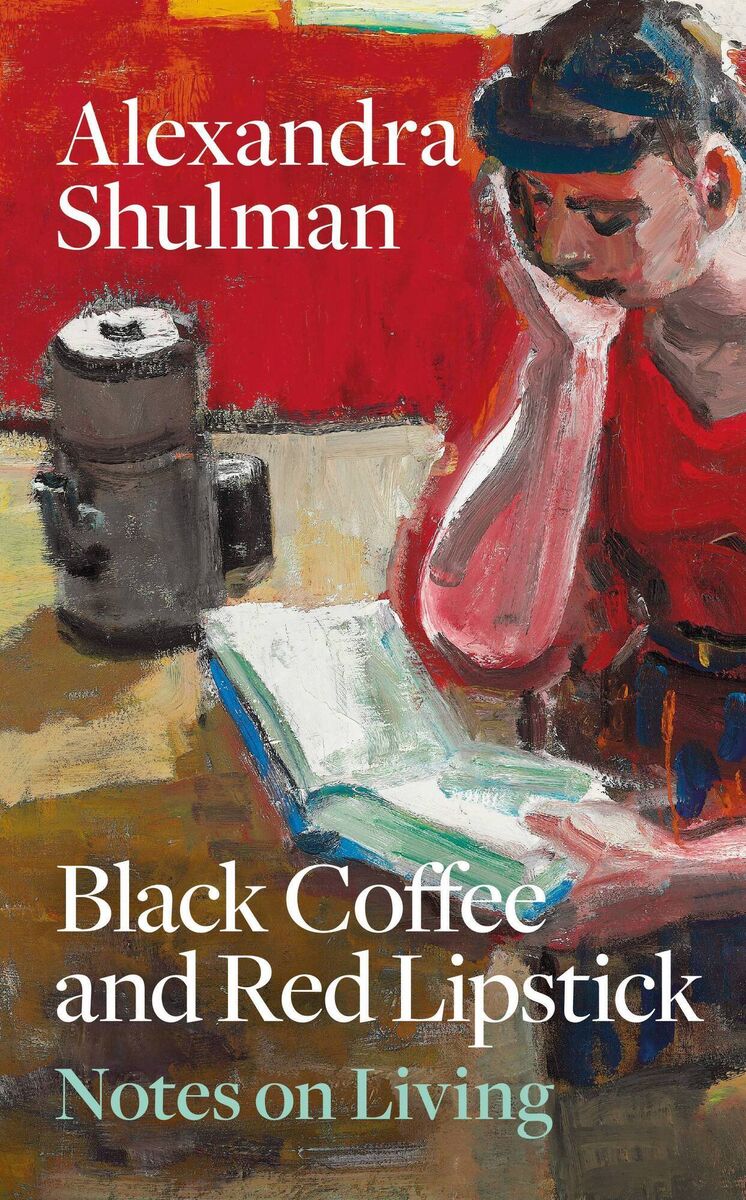
Alexandra Shulman's book, 'Black Coffee and Red Lipstick: Notes on Living' is out now

Successful editors often find there are fewer writing days at the top of the masthead. Alexandra Shulman edited British Vogue for over 25 years as a self-described conductor of other people’s talents. “I was representing something else. I’m very much indulged in this; people who know me say, ‘It’s so you’,” she smiles, patting a copy of Black Coffee and Red Lipstick: Notes on Living, her new essay collection. “Joan Didion [her journalistic heroine] wrote that we tell ourselves stories to survive, but I only discover the stories when I’m writing them.”

Her Vogue features were perhaps more infrequent than fans liked. Since resigning by choice, she’s taken on a regular notebook in The Mail on Sunday and wrote Clothes… and Other Things That Matter, her first personal essay collection. Out this month, Black Coffee and Red Lipstick is her second.

“I asked my publisher if they’d be interested in a series of essays about the everyday, but through the prism of having edited Vogue.”

Alexandra’s editorial choices helped transform the magazine, with circulation rising substantially during her tenure. “I think part of the reason I was able to stay so long and frankly keep so many good people around me was by making it more of a collaboration than a dictatorship. You can’t really get the best out of creative people by telling them what to do. There were times when I wish I’d been more forceful about what I thought was the right thing. I don’t really regret things; it’s not in my DNA, but when I look back to times when a cover wasn’t what I thought it was going to be, where the dress I’d wanted wasn’t shot or the makeup is different. It makes me wish I’d been a bit more out there on the ground, but my way of doing things was very much being there inside the office and managing a lot of detail.”

Kate Moss and Vogue

Kate Moss has been on 45 British Vogue covers, 32 of them while Alexandra was editor; Kate became a unique symbol of Cool Britannia, fashion, and Vogue. While more creative covers had a tough time on the newsstands — “almost always” — Kate Moss’s could usually be counted upon to sell.

“But not if we did something too avant-garde with her. The ones that sold the best were always the more conventional pictures where she was in a pretty dress with tousled hair. If we made her look stricter or more edgy or darker, the covers would never sell as well.” That, of course, says more about the public than the magazine.

I was nervous the night before our interview. Alexandra’s essays are not a memoir but “about a collection of things that matter to me”, including heels, motherhood, travel, and time alone. Her Vogue mattered to me. This new book is life-affirming, and praising her dry humour and vivid storytelling is easy. However, it would be impossible to thank her enough for the 306 issues that not only enhanced the days I read them, but now, like the Proustian madeleine of magazines, act as visceral triggers for months of my life.

Already an accomplished editor by her 1992 appointment, Alexandra seemed born to do it. Both parents had glittering careers: Her father, Milton Shulman, was a lawyer, Second World War intelligence officer and theatre critic; her mother, Drusilla Beyfus, was an author and etiquette expert. She describes the ‘ding’ of the typewriter as a soundtrack to her London childhood, which she references often in her essays, thoughtfully noting: “I’ve told my siblings that recollections may vary.”

Drusilla passed away in February and was a former Vogue features editor. Her own published work is still beloved, and of course Alexandra recalls personal letters and postcards very fondly.

“I think she was ambitious for all of us because she was ambitious for herself, though there were no expectations placed on her by her parents. She started working at 17 or 18 and worked her way up. I see how privileged my siblings and I were to have her pushing us. Lots of things made it very clear that she thought by having us she had slowed down her career.”

Alexandra did not come to Vogue from a fashion background, yet her passions for the arts, parties, food, and music broadened the magazine’s appeal without ignoring its roots (Vogue was originally a society magazine) and still make her an engaging raconteur.

It was a risk to give a young person with so few contacts in fashion the position, but on the other hand I’d done really well at GQ, where I was the woman editor of a men’s magazine. So, for me, I didn’t worry that I didn’t know anything about fashion; I just knew they wanted someone to be good.

Editing a world-famous magazine is also about celebrating brand milestones while staying relevant. Alexandra signed off on many famous covers, including the mirrored millennium edition and Princess Diana’s ‘Lady in Red’ portrait, but the most historic is surely the now Princess of Wales on the centenary cover. She published In Vogue, her diary of the 100th year, to coincide with a National Portrait Gallery exhibition and other celebrations. Like Black Coffee and Red Lipstick, it is a highlow mix of the surreally glamorous (partying with Kim Kardashian, advising the future queen on her wedding dress) and boring-but-necessaries like fixing her erratic boiler.

Alexandra’s Vogue famously didn’t cover dieting trends and favoured health optimisation over anti-ageing — progressive takes she carries into her own writing. She’s not only anti-plastic surgery but has no interest in ‘tweakments’.

Her favourite skincare is still Clarins Beauty Flash Balm and she loves makeup, sharing a wonderful story in the book about a Ukrainian refugee she took in for most of 2022, who later did her eyeliner after getting a job in retail.

Grateful awareness of privilege is a hallmark of Alexandra’s writing, from praising her colleagues’ thoughtfulness to appreciating how safe and easy her life has been compared to that of her paternal grandmother Ethel, who escaped the anti-Jewish pogroms in what is now Ukraine, emigrated to Canada with no English, and raised Alexandra’s father and uncle after her husband Samuel died in the 1918–19 Spanish flu pandemic.

Black Coffee and Red Lipstick includes a piece about her search for her second wedding outfit, which she’s since reworn in different combinations, like any smart shopper. Alexandra married the journalist David Jenkins, her partner since 2004, in April 2026. He is a charming and grounding presence in her non-fiction, as is her son Samuel, whom she shares with her ex-husband, the American writer Paul Spike.

Samuel chose this new book’s perfect cover, a David Park painting of a brunette reading, with a coffee, in the same lipstick red as the Dries Van Noten bag and cardigan Shulman accessorised with on her wedding day.

Parenthood, which she often praises for having given her perspective on work problems, also influenced her decision to resign. “I looked at him [all grown up] and realised I had to leave. An adult had appeared while I had been at the same desk for 25 years. I felt very compelled to do it once I realised that.”

Every chapter of this book is good company. Through paragraphs about picnics, suitcases, and the pleasures of bed, Alexandra repeatedly goes out of her way to invite empathy from her reader, which will probably surprise those who think The Devil Wears Prada is somehow accurate.

She is open about managing the panic attacks she’s had with medication and therapy, and it is liberating when those who recall when treatment was more stigmatised share their stories. Similarly, she expresses love for clothes rather than fashion and advocates wearing what makes you happy, even if that’s white trousers year-round.

Her career’s been a rare, royally honoured thing, but most women can relate to life-changing hospital appointments, registering shapewear as grim, and enjoying roast chicken with family. Lauren Weisberger’s rather mean-spirited The Devil Wears Prada books don’t accurately capture any Vogue editor. While the films were hits, it is doubtful Ms Shulman or her team would have put up with a real-life Miranda Priestly, even before today’s culture of public cancellations.

We met not long after John Galliano, who made Alexandra’s dress for the Victoria and Albert Museum’s Golden Age of Couture exhibition opening, agreed with the team at the Costume Institute/Met Gala that his 2027 retrospective won’t happen. The announcement followed prolonged public backlash over the move, related to his antisemitic outbursts in the 2010s.

“‘How did they get there in the first place’, was my overwhelming thought,” Alexandra says. “In terms of creativity, Galliano deserves a retrospective, but [the Costume Institute] is in New York, and has so many donors.

“They must have known that the Gala would coincide with Holocaust Day [Yom HaShoah]. That just baffled me. Was it right for them to cancel it? I imagine they really had no choice.”

Alexandra now spends most mornings writing or reading, when she’s not working on one-off projects or as a trustee for the Wallace Collection. “I am busy. The Mail is very good to me; I like working for them.” She carries The Finest Hotel in Kabul by BBC chief international correspondent Lyse Doucet in her quilted black leather tote today and recommends it to me.

She has recently returned from a holiday in Greece and is tanned and glowing, has been working with a trainer since January, and quit smoking. Whether she does her own manipedis or has them done, her nails are flawless. I keep her talking far too long, my nerves completely forgotten. She is cooking for her husband tonight and about to begin a book tour.

Black Coffee and Red Lipstick: Notes on Living

A few gems from Black Coffee and Red Lipstick:

  • Make new friends throughout your life.
  • Wear bikinis.
  • Effortless chic is a myth; true chic is your art to develop.
  • Money makes leaving a bad situation easier (or have an emergency fund).
  • No matter what else is happening, domestic tasks keep chaos at bay.

Black Coffee and Red Lipstick: Notes on Living (London: Mitchell Beazley, 2026) is out now.

    More in this section

    Lifestyle

    Newsletter

    Eat better, live well and stay inspired with the Irish Examiner’s food, health, entertainment, travel and lifestyle coverage. Delivered to your inbox every Friday morning.

    Cookie Policy Privacy Policy Brand Safety FAQ Help Contact Us Terms and Conditions

    © Examiner Echo Group Limited