Study finds regenerative farming cuts drought yield losses
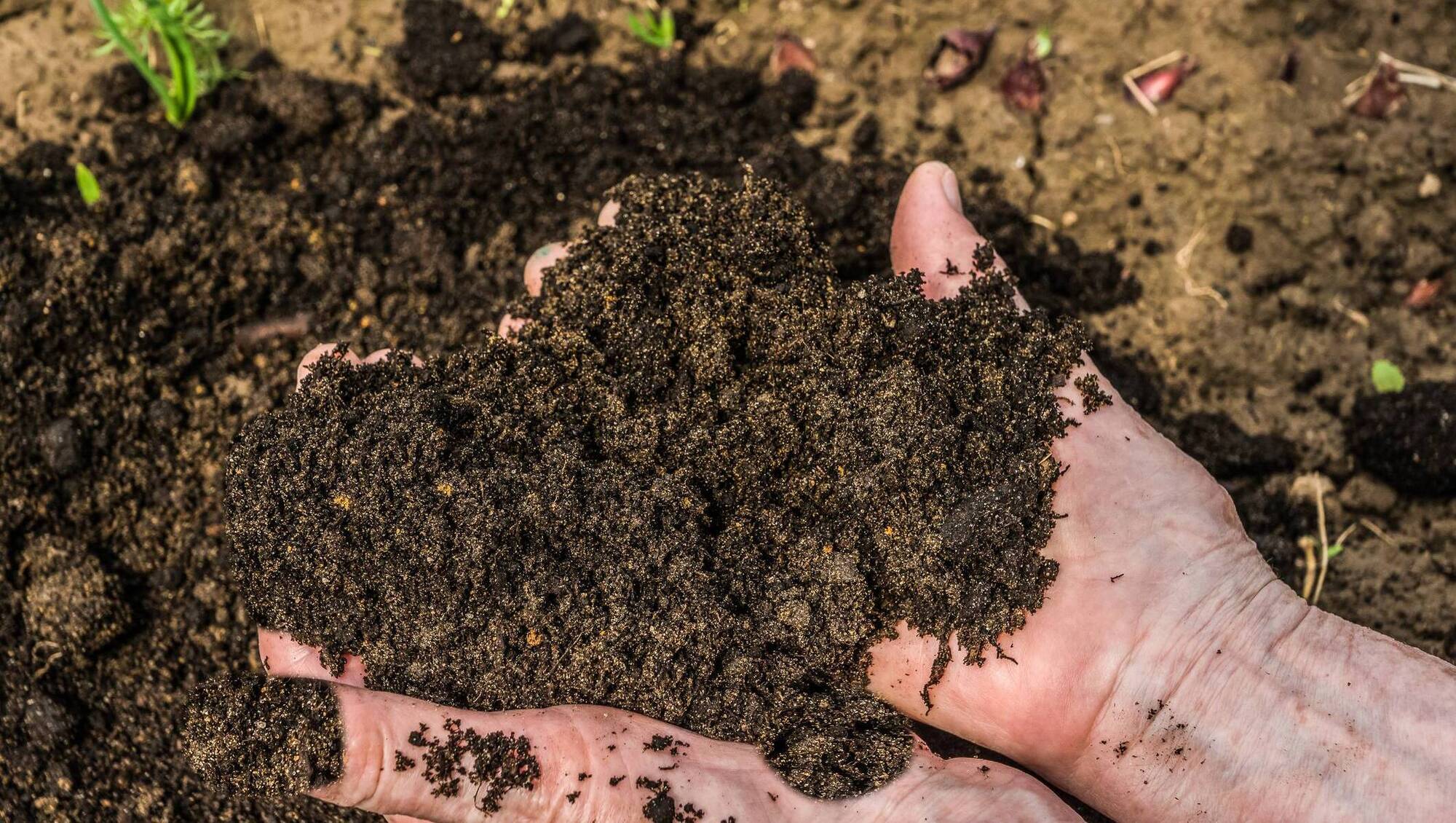
The study of results from 331,600 hectares in France included yields of the worst-affected crops falling by 22% on the least regenerative farms in the droughts of 2023, compared with only an 8% decline on the highly regenerative farms.
Fans of regenerative farming can take heart from how well the system came through drought conditions.
An independently verified field study across 1,262 farms in France from 2021 to 2024 has shown how regenerative farming strengthens drought resilience.
It showed farms adopting more regenerative practices consistently outperformed more conventionally farmed holdings during drought conditions, both in terms of yield and profit stability.
The study of results from 331,600 hectares in France included yields of the worst-affected crops falling by 22% on the least regenerative farms in the droughts of 2023, compared with only an 8% decline on the highly regenerative farms.
Regenerative practices reduced drought-related yield losses by at least 10% on around 85% of farms across the 82 of France’s 96 regions which experienced significant drought.
The study focused on commonly grown European arable crops, including winter wheat, winter barley, winter rapeseed, spring barley, grain corn and potato. Winter wheat represented approximately 30% of the total analysed area.
The study assessed regenerative practices such as cover cropping, reduced tillage intensity, residue retention, and organic matter application.
Regenerative methods are particularly recommended for areas where intensive agriculture has left soils damaged and therefore less resistant to extreme weather events such as drought and flooding.
The UN Food and Agriculture Organisation estimates that as much as one third of the world’s croplands could fall into this category.
This is the result of farmers being forced by the food system towards producing ever higher yields, and using larger and more efficient machines to increase productivity.
This scramble for cheap food can only increase productivity and yields in the short term, using up nitrogen, carbon and other nutrient stores from the soil, and depending on large amounts of artificial fertiliser to continue.
But now, with huge price rises for diesel and chemical fertiliser, many farmers are ready to re-assess how they farm.
Estimates suggest that 15% of the world’s croplands are already farmed regeneratively. The aim on these lands is to help the soil become more resilient by increasing the micro-organisms within the soil and locking more carbon in.
Methods for this include no tillage or low tillage, with direct drilling of crops. This keeps more nitrogen and carbon in the soil, reducing the need to apply chemical fertiliser. The farmers may also be using historic and mixed crop varieties which are more resistant to weather and diseases.
These methods produce lower crop yields per acre, but the ever-increasing costs for fertiliser, chemical sprays, and diesel are much lower, which helps to increase farm profit margins. For some, there may be higher prices paid by processors for regenerative produce.
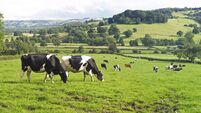
Away from the crop farms, in livestock farming, regenerative methods may include low-input native breed animals hardy enough to be overwintered on pasture. Completely grass-fed diets (already the norm in Ireland, at least until cattle are fattened) often feature in regenerative livestock farming. The main drawback is that native breeds may take 20% to 30% longer than continental breeds to produce meat.
Sam and Kate Squier of Humphreys Farm, just 30 miles from London, farm with Aberdeen Angus cattle in a regenerative fashion.
The Reuters news agency reported last week that their nearly 200-acre farm stood out as a green oasis surrounded by scorched brown fields.
Squier told Reuters, "Our vision was to improve the soil structure and build resilience within our business, mitigating against both prolonged periods of dry hot weather and prolonged periods of wet weather".
His cattle, which carry some Japanese Wagyu genetics, graze a mix of grasses and deep-rooting herbs and legumes.
These pastures are still knee-high after two months without rain or the use of irrigation.
The herbs are believed to have anti-parasite benefits, and the legumes add nitrogen to the soil.
The cows are moved twice a day in a paddock system.
Squier said he has not needed to buy winter feed for eight years.
He estimates the soil holds more water than before he adopted regenerative farming. It also has increased earthworm numbers, a sign of good soil health.
Government environmental grants helped Squier make the transition. He said he would struggle to remain viable without that support.
More financial support for regenerative farmers may be in the offing, as its more wholesome image than intensive farming catches on, especially at a time when drought devastates other farms.
For example, Lloyds Bank in the UK has joined with the Wildfarmed regenerative food business, two water companies, and the AXA insurance group, to form the Food & Nature Resilience Fund, with a year-one target of £1.3 million to help UK farmers adopt regenerative agriculture.