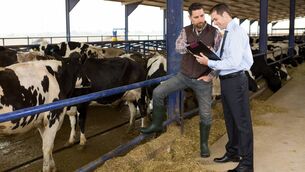
Buying a farm: What should you look out for?
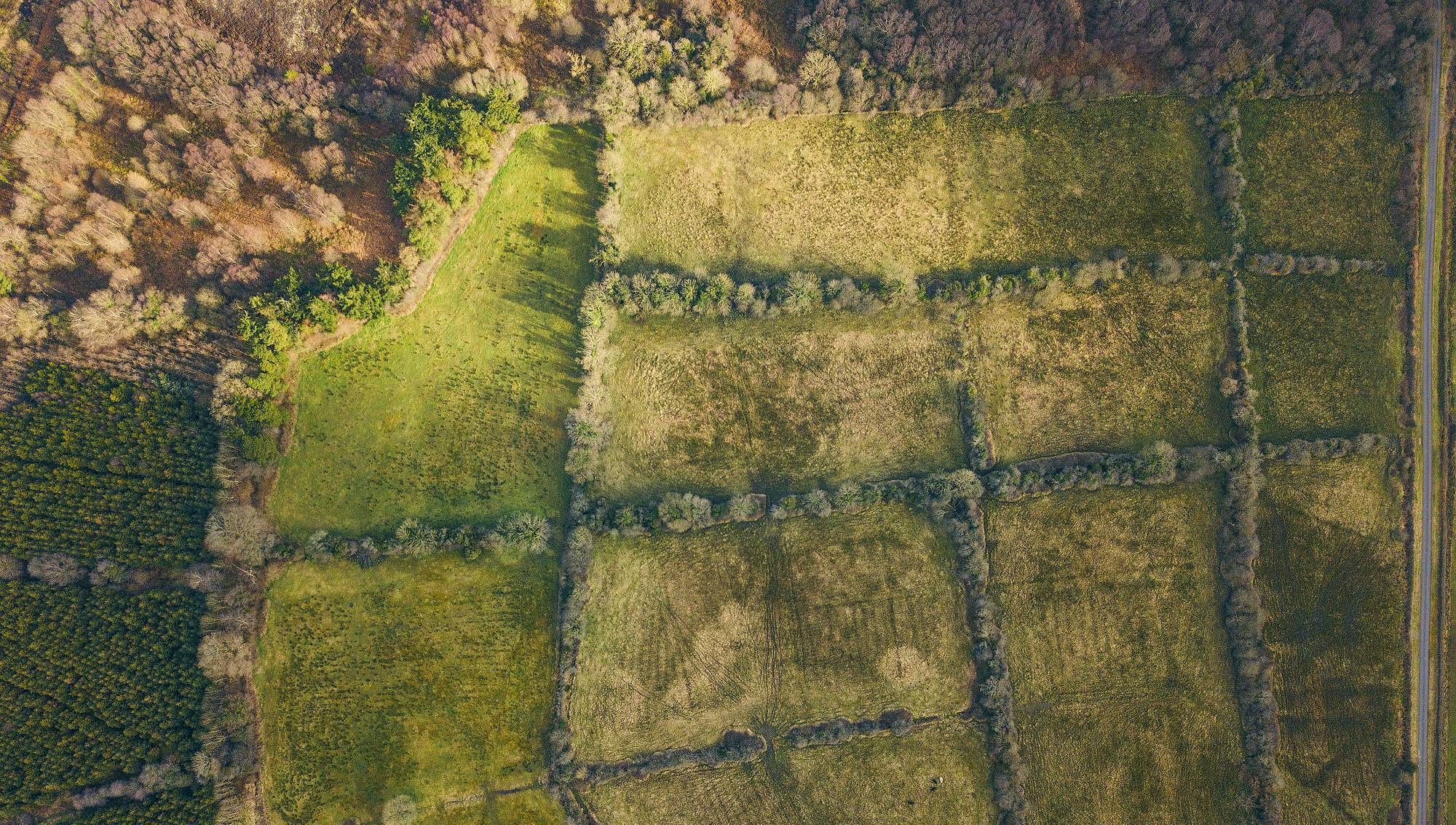
A farm purchase can involve complex questions about title, boundaries, access and planning. File picture
Dear Reader,
It is quite common for purchasers of agricultural property to feel that the legal process is more detailed than expected, particularly where they already know the lands and have a good relationship with the seller. However, buying a farm is often one of the most significant investments a farmer will make and proper due diligence is essential.
One of the first issues your solicitor will examine is title. This involves confirming that the seller actually owns the lands being sold and that there are no defects which could affect your ownership in the future. Farms often remain in families for generations and it is not unusual to find historic title issues that require investigation before a sale can proceed.
Boundaries are another important consideration. While neighbouring farmers may have a clear understanding of where a boundary lies in practice, the legal boundaries should also correspond with the maps and title documentation. Any discrepancy should be identified and addressed before closing.
Particular attention should be paid to rights of way and easements. For example, neighbouring properties may have rights to cross the lands, access water supplies, use farm roadways or maintain services crossing the property. Equally, the farm you are purchasing may depend on rights over adjoining lands. These rights should be properly documented and reviewed.
It is also important to establish whether there are any grazing agreements, leases, licences or occupation arrangements affecting the lands. A purchaser will usually want vacant possession unless alternative arrangements have been agreed.
Where there is a dwelling house on the property, your solicitor will also investigate planning and building control compliance. Older farm buildings may pre-date modern planning requirements, but newer structures, extensions or alterations should be reviewed to ensure appropriate permissions were obtained where required.
Environmental matters can also arise. Your solicitor may investigate issues relating to septic tanks, wells, rights relating to watercourses, Special Areas of Conservation, forestry restrictions or other matters which may affect the future use of the lands.
The availability of Basic Income Support Scheme entitlements or other agricultural payments should also be clarified where relevant. These do not automatically transfer with the land and should be specifically addressed if they form part of the transaction.
Another issue that is sometimes overlooked is the existence of wayleaves, easements or agreements with utility providers and renewable energy developers. Electricity lines, underground cables, telecommunications equipment or renewable energy infrastructure can affect the use and value of agricultural land and should be identified during the transaction.
Finally, it is important to carry out proper inspections before contracts are signed. While you may know the lands well, there can be matters which are not immediately apparent, such as title issues, planning concerns or rights in favour of third parties.
Purchasing a farm is about far more than acquiring acres on a map. The legal investigation carried out by your solicitor is designed to ensure that you obtain good marketable title and to identify any issues which could affect your use, enjoyment or future sale of the property.
While the process can sometimes seem lengthy, careful due diligence at the outset can help avoid costly disputes and unexpected problems long after the purchase is completed. In most cases, the time spent investigating the title properly is time well spent.
Jane Bourke is a solicitor practising in Walsh & Partners, Solicitors, 17, South Mall, Cork (021-4270200). Walsh & Partners also specialises in personal injury claims, conveyancing, probate and family law.
- Email: info@walshandpartners.ie
- Web: www.walshandpartners.ie
While every care is taken to ensure the accuracy of information contained in this article, solicitor Jane Bourke does not accept responsibility for errors or omissions howsoever arising, and you should seek legal advice in relation to your particular circumstances at the earliest possible time.