First human death as a result of Shamonda virus reported in France
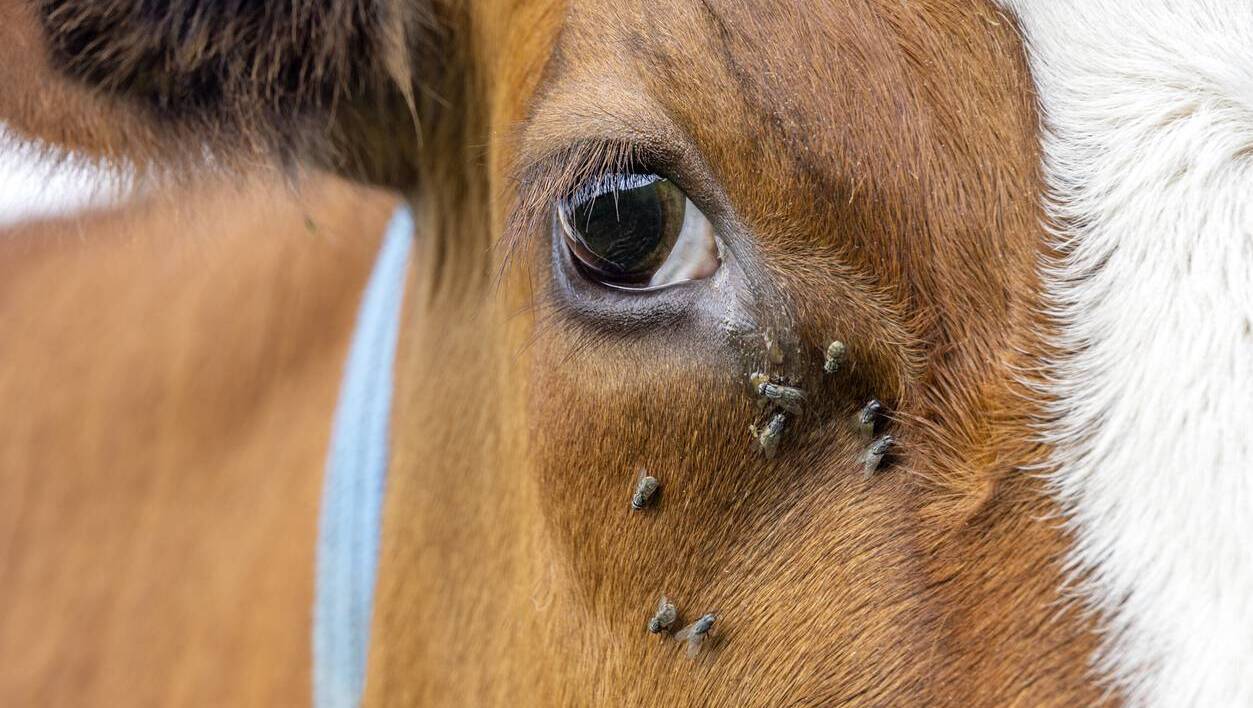
Shamonda virus is spread by midges.
The first known human case of Shamonda virus has resulted in the death of a man in France.
The man, who was in his sixties, died in early October and was reportedly being treated at Hospices civils de Lyon for a serious illness that resulted in the patient having “severe immunosuppression,” making him more susceptible to infection.
A spokesperson for the Department of Agriculture in France said: “In view of the available knowledge on this virus, no health risk for the general population has been identified to date.”
In a statement, the European Centre for Disease Prevention and Control (ECDC) said investigations are ongoing regarding “whether the virus caused or contributed to the patient’s death and how the infection was acquired.”
The Shamonda virus (SHAV) was previously considered non-transmissible to humans but has been detected in animals across Europe.
The French health authorities have also notified the international health authorities, the World Health Organisation (WHO) and the European Centre for Disease Prevention and Control (ECDC).
In Ireland, a private lab alerted the Department of Agriculture of two farms in Co Cork that had animal samples test positive for the virus in early October.
Agriculture minister Martin Heydon confirmed the detection by the private lab, noting this was the first time the virus had been detected in Ireland.
“A private laboratory has reported a positive test for Shamonda virus in bovine samples from two farms in Co Cork.
"My department’s laboratory services are aware of this result and are engaging with the private laboratory to carry out follow-up investigations. This is the first time this emergent virus has been detected in Ireland.”
SHAV is spread by biting midges, and the virus is closely related to the Schmallenberg virus. SHAV predominantly affects cattle, sheep and goats but has also been found in horses in Europe.
SHAV has been reported in farm animals in Austria, Belgium, France, Germany, Italy, Liechtenstein, Luxembourg, the Netherlands, Portugal, Spain and Switzerland, as well as Jersey.
Clinical signs of the virus in cattle include fever, diarrhoea and a decrease in milk production. The main focus of concern is the disease’s effect on pregnant animals, as contraction of the disease can cause abortions or foetal malformation similar to the Schmallenberg virus.