New dairy feed boosts milk fat while cutting feed costs
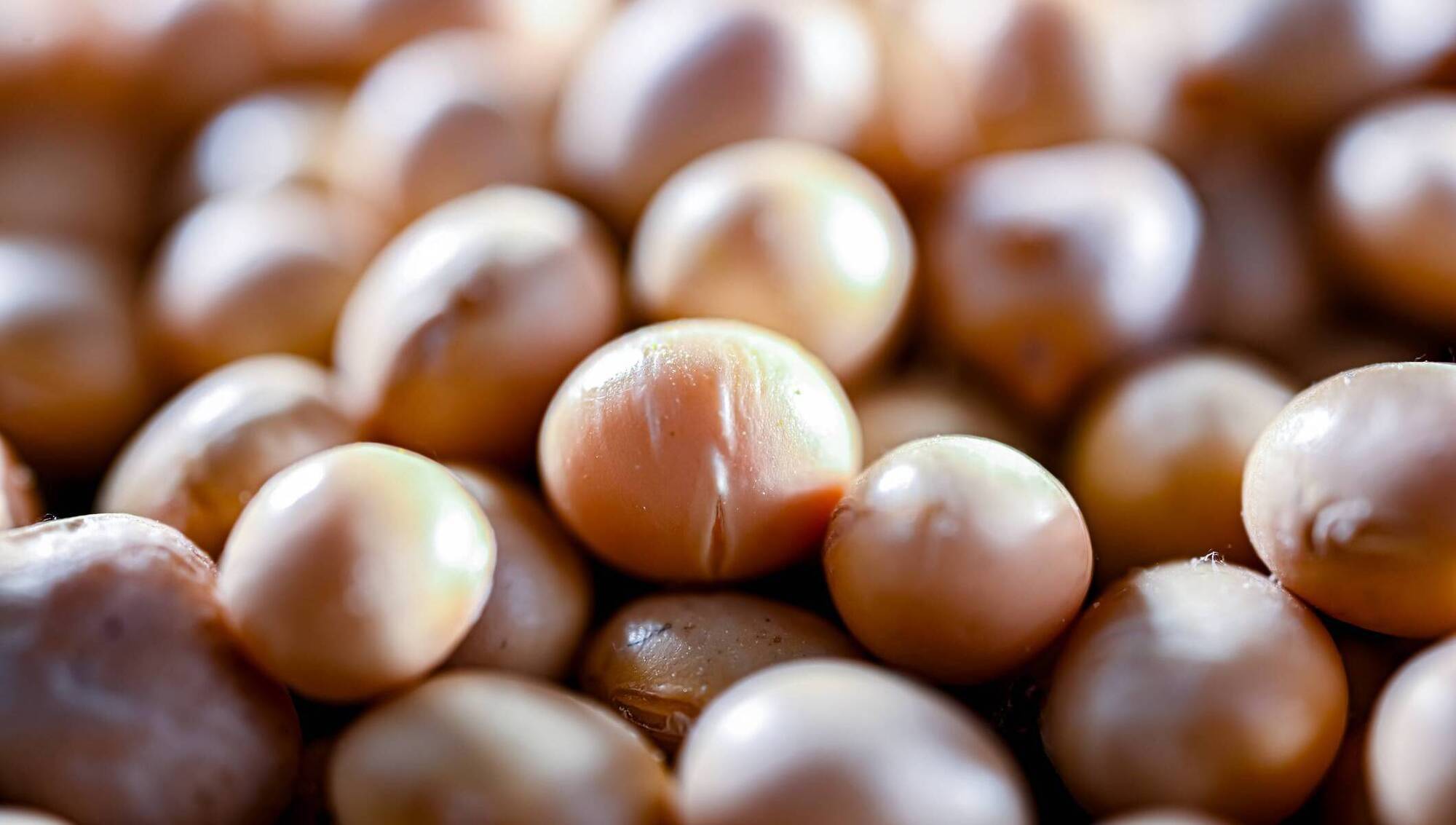
High oleic soybeans (HOSB) were developed and first grown about 14 years ago as a source of improved cooking oil for food manufacturers, but their fastest-growing market now is for dairy cattle feed.
American dairy farmers have once again found a new way to make dairy farming more profitable.
It was in the USA that total mixed rations first transformed milk production. Later, the synthetic version of bovine growth hormone was injected into dairy cows to boost milk yields by about 10%.
Now, high-oleic soybean feeds may be a third innovation to shift profitability significantly.
Compared to the usual cow diets on most US dairy farms, farmers can increase milk fat content and yield, while reducing feed costs and maintaining rumen health, by feeding roasted high-oleic soybeans.
When feeding them instead of traditional soybeans, high oleic soybeans resulted in 0.17 units higher milk fat concentration and 0.2 pounds higher milk fat yield, according to a Penn State University study.
High oleic soybeans (HOSB) were developed and first grown about 14 years ago as a source of improved cooking oil for food manufacturers, but their fastest-growing market now is for dairy cattle feed.
More than half of the USA's one million or so acres of HOSB planted in 2025 was designated for dairy rations. About 40% was for human food, and a small proportion went for industrial purposes.
With demand increasing, and soybean growers earning around $40 per tonne of a premium for HOSBs over traditional varieties (while production costs and yields are similar), the acreage is forecast to increase, when seed availability permits. But it is still only a small portion of the USA’s 80 million or so acres of soybean.
Traditional roasted soybeans have been a source of fat (15%-22%) and protein (33%-40%) in total mixed rations on American dairy farms. However, traditional soy is high in certain fatty acids that cause milk fat reduction, thus limiting its use in dairy rations.
HOSBs work better, because they contain a rumen-bypass protein that allows cattle to absorb the energy and nutrients without disrupting normal rumen fermentation.
Replacing purchased protein and fat supplements with roasted HOSBs can significantly improve margins. In research trials, diets with 5% to 24% HOSB (on a dry matter basis) delivered positive outcomes in feed intake and milk fat yields in lactating cows.
In HOSB, the percentage of oleic acid is closer to 75%, compared to less than 25% in conventional soybeans. This higher concentration of oleic fatty acids is much more rumen-friendly, allowing a higher feeding rate.
Finding a feed that can increase milk fat yield and improve feed efficiency without negatively affecting intake has impressed dairy farmers. The best way they can take advantage of that is by growing HOSB crops themselves, or purchasing HOSB at a good price from local growers.
Income-over-feed is the money left over from selling milk, after subtracting the cost of the feed.
Proper roasting of the soybeans is required to improve palatability, increase rumen protein, and reduce urease activity.
Growing and roasting the beans on-site is the most profitable option. On a 1,000-cow dairy, that could add $50,000-$60,000 a year in profit. Some dairy farmers roast their own HOSB, others utilise a mill or a travelling service.
More research is needed to determine the best use of the new feed on dairy farms. Factors to be nailed down include the optimal grind size, the amount to feed, the potential need for other fatty acids in feed rations, and costs.
But clear economic and nutritional benefits for both dairy farmers and soybean growers are obvious.
Supplying their dairy farmer neighbours is attractive for growers, especially after the USA’s soy exports were cut in the Trump tariff disputes with China. Soybean prices fell in recent years by nearly one third, making the HOSB premium more valuable for growers.