IFA warns Carbon Border Adjustment Mechanism will add to farm costs
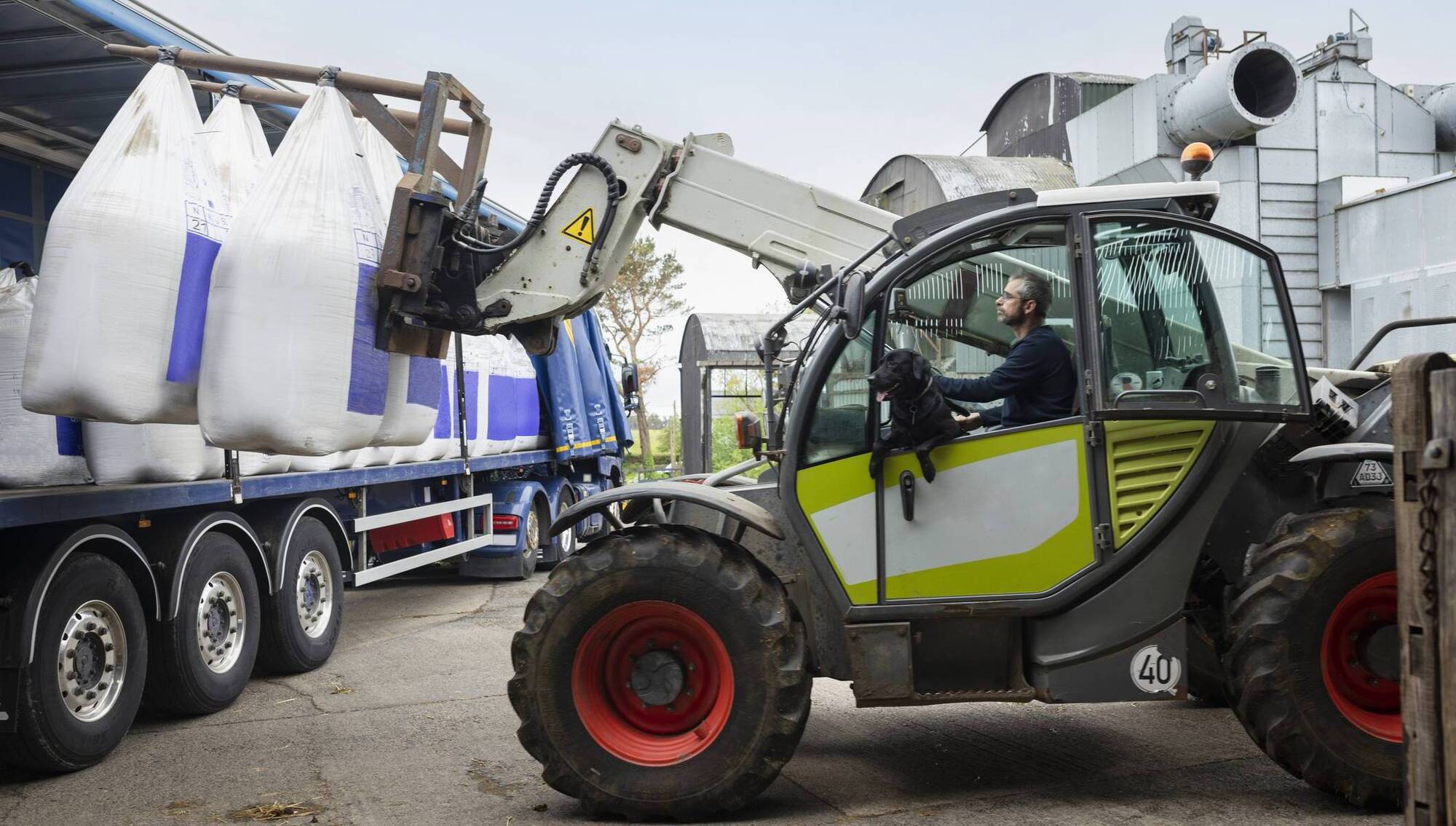
Fertiliser is among the products covered by the Carbon Border Adjustment Mechanism (CBAM), alongside iron and steel, aluminium, cement, electricity and hydrogen. File picture
Irish farmers face rising fertiliser costs and pressure on farm profitability as a result of the EU's new carbon levy on imports, the Irish Farmers' Association (IFA) has warned.
The association is calling for an immediate suspension of the Carbon Border Adjustment Mechanism (CBAM) on nitrogen fertiliser, arguing that the additional costs could ultimately reduce fertiliser use, agricultural output and EU food production.
CBAM, which entered its definitive phase on January 1, places a carbon cost on certain goods imported into the EU based on the greenhouse gas emissions associated with their production.
Fertiliser is among the products covered by the mechanism, alongside iron and steel, aluminium, cement, electricity and hydrogen.
IFA Farm Business chair, Bill O'Keeffe, said the measure was particularly significant for Irish agriculture because of the importance of nitrogen fertiliser to the country's grass-based farming system.
"This EU taxation of a key agricultural input, especially for a grass-based country like Ireland, risks driving fertiliser prices significantly higher at a time when farm incomes are already under significant pressure," he said.
Mr O'Keeffe claimed CBAM had already contributed to higher fertiliser costs and warned that farmers had little scope to recover those additional costs from the market.
"We are ultimately price takers in the food production model and there will be no opportunity to pass back this significant additional production cost," he said.
"Irish food exports must compete on a global market with other food-producing countries outside the EU who will not have this taxation imposed on their food production systems."
The IFA said it supported efforts to develop and expand fertiliser production within the EU, but argued that this should not be achieved by increasing fertiliser prices for farmers.
Mr O'Keeffe warned that sustained higher prices could result in farmers cutting application rates, which would have a direct impact on EU food production levels.


CLIMATE & SUSTAINABILITY HUB