Department recommends second pilot phase of horticulture seasonal worker permit
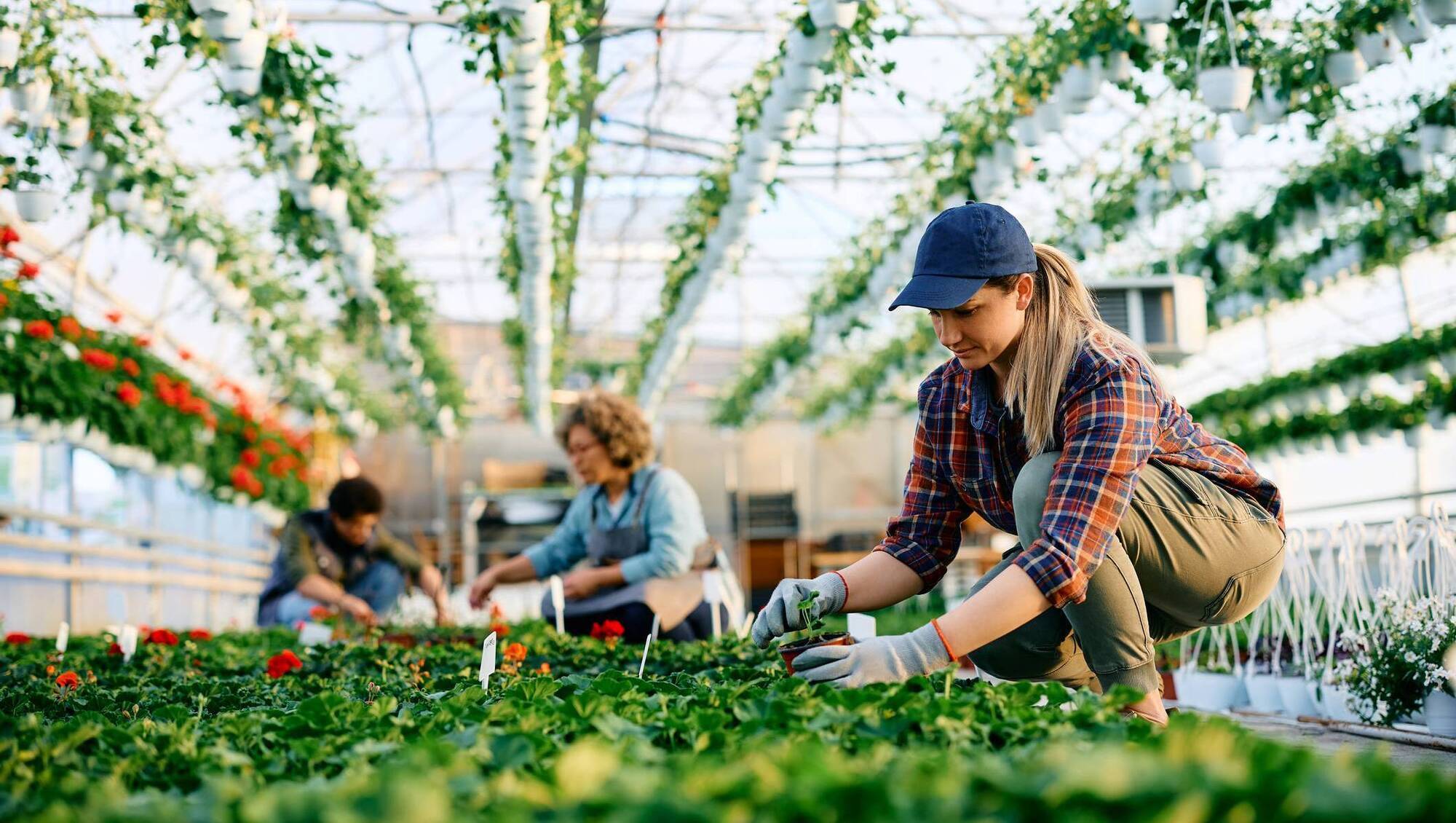
'We need targeted supports to encourage new entrants and generational renewal in the sector. Horticulture is a viable career, but we need to expand the apprentice scheme and invest in our youth.'
Help could be on the way for the 2027 growing season following an evaluation of a seasonal employment permit pilot scheme that took place last year.
The Department of Enterprise, Tourism and Employment carried out the evaluation, which was published on June 9.
It recommended that a second pilot phase be initiated to fully test the scheme, which allows non-European Economic Area nationals to work for a maximum of seven months in the sector during the growing season.
Minister of state at the Department of Agriculture, Niall Collins, told the Dáil that the report recommended that the scheme be initiated in the third quarter of this year, with a view to preparing for the 2027 season.
He was replying to questions from Labour TD Robert O’Donoghue (Dublin Fingal West), who welcomed the move for the sector, where he said the average age of growers is probably over 60.
Read More
“We need targeted supports to encourage new entrants and generational renewal in the sector. Horticulture is a viable career, but we need to expand the apprentice scheme and invest in our youth,” he said.
Deputy O’Donoghue said the sector is under enormous pressure. It is facing some of the most serious challenges it has seen in years, including increased input, energy and labour costs.
“We are still importing fruit and vegetables that we could grow ourselves. I live in north County Dublin, the market garden capital of Ireland.
“We produce approximately 47% of Ireland’s field vegetables. We need to keep supporting the sector. We cannot allow it to shrink further. There are huge opportunities in horticulture, but they need to be unlocked,” he said.
Minister Collins said the sector provides locally grown, quality food and plants and plays a crucial role in supporting the economy.
The National Strategy for Horticulture 2023-2027 sets out a clear vision to grow a more profitable, value-added sector, driven by innovation and sustainability, and provides a roadmap to achieve this potential.
It outlines eight key strategic actions to drive change and growth across all subsectors of horticulture, including attracting new entrants.
The Government provides significant support to deliver on the implementation of this strategy, including a scheme of investment aid for the development of the commercial sector.
It provides grant aid to horticulturists towards capital investments in specialised plant and equipment, as well as technology adoption specific to commercial production.
The scheme covers all horticultural areas, including field vegetables, which include seed potatoes, mushrooms, protected food crops, amenity crops, soft fruit, top fruit and beekeeping.
Deputy O’Donoghue said he has first-hand knowledge of the hard work involved in growing, as “I picked and packed every fruit and vegetable under the sun in Rush and Lusk”.
Many of the 18,000 jobs in the sector are in his constituency.
“If we are serious about food security, rural employment and supporting Irish growers, then we must give the horticulture sector the support it needs and deserves for it to survive and thrive,” he said.