MEP calls for support package following 71% fertiliser price hike
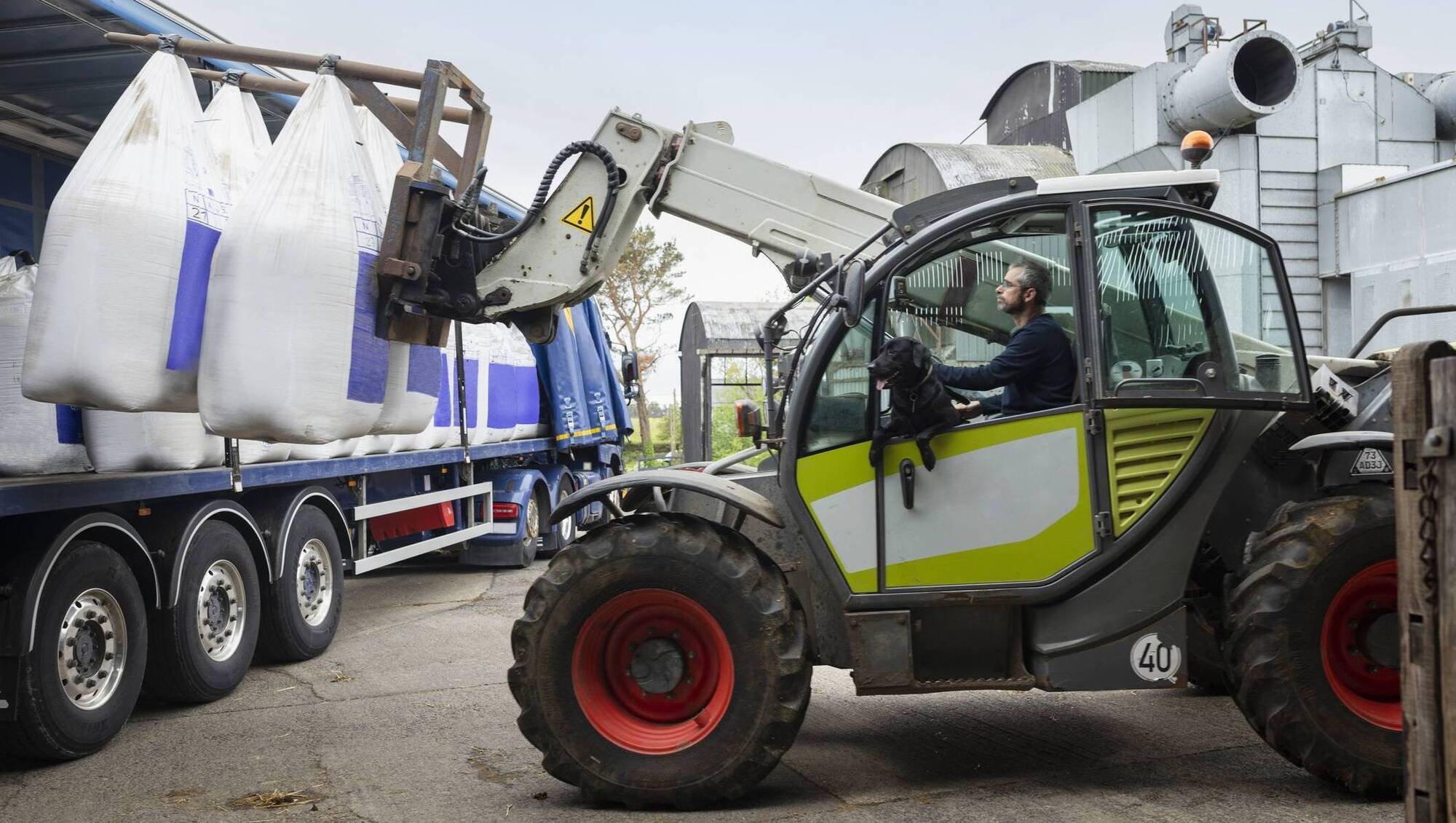
The Commission has increased the farmer fertiliser support fund to €500m using funds from the CAP agricultural crisis reserve.
The Irish government has been called to match the EU’s 150% increase in the fertiliser support fund for farmers.
MEP Ciaran Mullooly said the European Commission’s decision to increase support for farmers affected by spiking fertiliser costs from €200m to €500m is an acknowledgement that farmers across Ireland and Europe are facing a serious and growing crisis, but warned that the package as it stands remains a relatively small measure when set against the scale of the problem.
With commissioner Christophe Hansen also urging member states to increase their contributions, Mullooly said farmers need certainty now and that the Government must make a decision as a matter of urgency.
The commission has reported that nitrogen fertiliser prices in April 2026 were 71% higher than the 2024 average, a price shock that points to additional costs running into billions of euros across the European agricultural sector.
Read More
Mr Mullooly said any support for farmers struggling with rising input costs is welcome, but warned that the Carbon Border Adjustment Mechanism (CBAM) remains “the elephant in the room” while farmers are already under severe pressure.
Highlighting the source of the increased support fund, he said: “It is also important to recognise that this €500 million is not a new dedicated fertiliser fund. The money is being drawn from the CAP agricultural crisis reserve, a fund intended to respond to a wide range of agricultural emergencies, from disease outbreaks and extreme weather events to market shocks, including Mercosur.
"Using the crisis reserve for fertiliser support inevitably reduces the resources available to respond to other crises that may emerge and will impact farmers in the future.”
MEP Mullooly questioned the commission, saying: “If the commission believes fertiliser costs are severe enough to justify a €500 million intervention, then it should explain why it continues to maintain a CBAM regime that is expected to add €820 million in costs to the sector. Farmers are being asked to carry a net burden while receiving only partial compensation.
“According to estimates from Copa-Cogeca, the CBAM will increase fertiliser costs by approximately €820 million in 2026 alone. Yet rather than addressing this additional burden at source, the commission has chosen to leave the mechanism in place while offering a support package that falls well short of the costs farmers will be expected to bear.”
He said that for Irish and European farmers the figures “simply do not add up". The €500m offered in supports, despite the estimated looming €820m farmers are expected to shoulder in fertiliser costs linked to CBAM, leaves a substantial shortfall, leaving farmers exposed to hundreds of millions of euro in additional costs.
Mr Mullooly has already called on the European Commission to fully reimburse the value of the CBAM levy back to farmers and to do so without delay. “If the commission is unwilling to suspend or temporarily remove the CBAM burden on fertilisers during this crisis, then the least it can do is ensure that every euro collected through the mechanism is returned to the agricultural sector.”
Mr Mullooly said that during a time of food security, farm viability and agricultural competitiveness, Irish and European farmers are “under increasing pressures” and need practical and lasting solutions. Concluding, MEP Mullooly said: “Europe cannot claim to support its farmers on one hand while imposing additional costs on them with the other. The Commission must not and should not make money out of a crisis.”