GP shortages threaten rural healthcare
30% of newly trained Irish GPs emigrate to work abroad each year.
More than half of GP panel vacancies across Ireland are situated in rural areas.
Following questions posed in parliament by Independent TD for Offaly Carol Nolan, the HSE confirmed that of the 20 vacant GP panels nationally, 11 are in rural areas.
“I acknowledge the substantial work already underway by the HSE to strengthen the GP workforce, including expanding GP training places from 259 in 2022 to a planned intake of 400 in 2026 with 1,300 trainees in the four-year programme.
"However, it remains abundantly clear from recent reports that despite these efforts, up to 30% of newly trained Irish GPs emigrate abroad each year to countries such as Australia, New Zealand, Canada and the UK,” said Deputy Nolan.
In February 2024, Deputy Nolan supported the Dáil motion on healthcare provision in rural communities, warning that HSE modelling pointed to a potential shortage of between 493 and 1,380 GPs by 2025, predominantly in rural areas.
“The HSE correctly points out that the current vacant panel rate is less than 1% of panels overall. But for the patients, families and communities directly affected, that statistic offers no comfort,” Deputy Nolan explained.
Read More
The medical director at the Irish College of GPs and GP in Glanmire, Co Cork, Dr Diarmuid Quinlan said: “While a shortage of GPs is a national issue, it has been a particular problem in rural areas for many years, particularly with an older and growing population.
"Various initiatives are underway to address the situation including the International Medical Graduates (IMG) Rural GP Programme, developed by the Irish College of GPs and supported by the HSE.
"To date, the programme has attracted over 200 experienced doctors from around the world to small towns and villages. According to GP colleagues in rural areas, the international doctors have revitalised isolated communities that would have had no GP in the coming years.”
Speaking to the on the matter, Irish Farmers’ Association (IFA) Farm Family chair, Teresa Roche, said: “We have a fundamentally disproportionate healthcare coming into rural settings and islands as well.”
Ms Roche continued:
With a background in nursing, Ms Roche sees the disproportionate access to health services in rural areas, “where we would see the most vulnerable people”.
“There is a huge need there for community-based provided GP services and health care services across rural Ireland,” she said.
Ms Roche, who is helping lead the IFA and Croí free Farmer Health Check programme in marts and events across the country, said the programme was made in response to the lack of health services available in rural areas for farmers and their families.
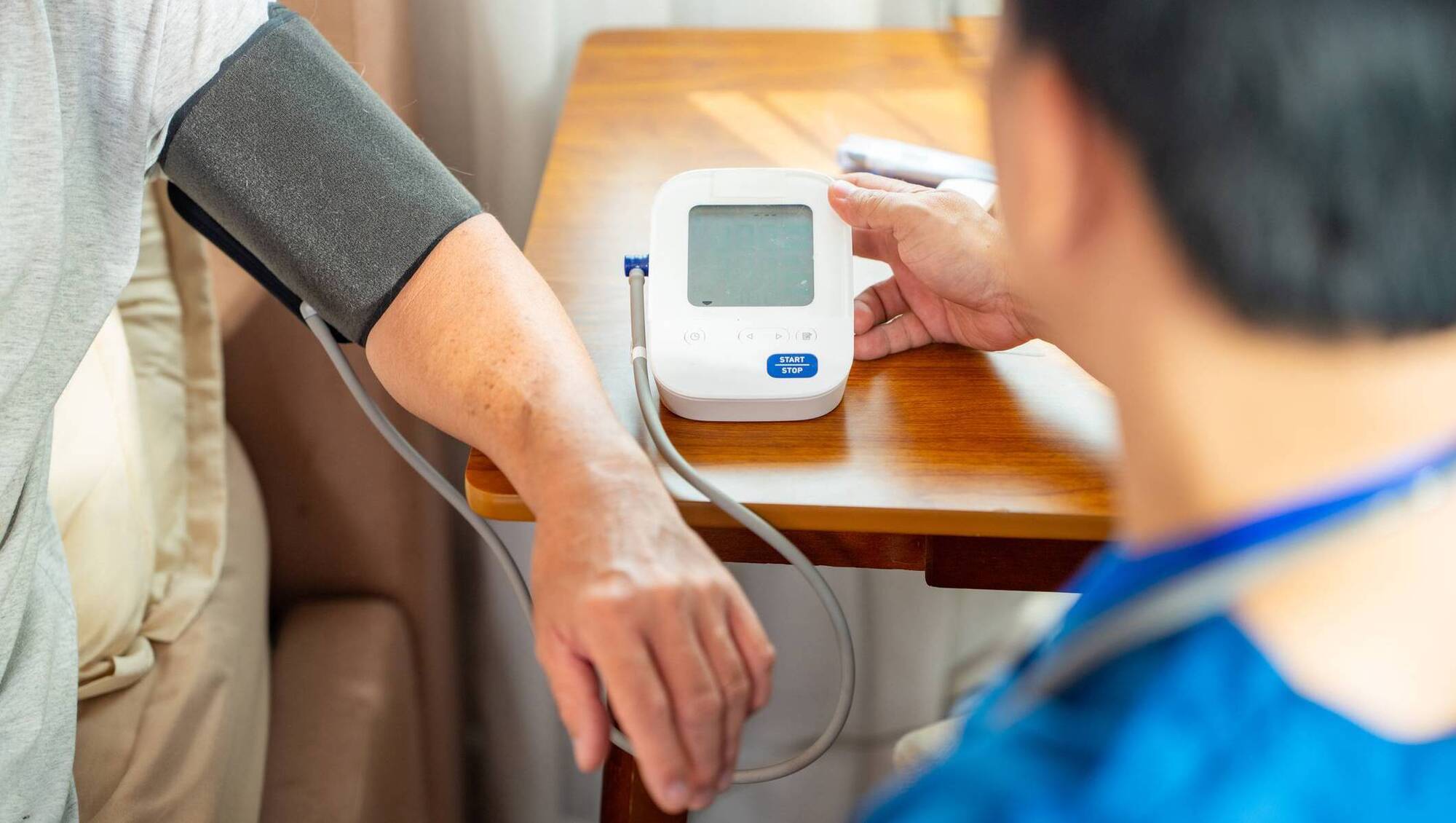
The programme, which is in its third year and is funded by the Department of Agriculture, offers medical and lifestyle assessments, including blood pressure, cholesterol, blood sugar and mental wellbeing services, with qualified nurses bringing the much-needed services to the rural communities.
A key aspect of the health checks is the referral services it also offers to ensure patients are able to see specialists or a GP if the situation calls for it.
Ms Roche told the that a recent patient of the Health Check clinics is now in his third week of recovery from a triple bypass following a check-up and referral from the service.
Ms Roche explained:
She said based on last year's records, 4.4% of farmers or rural people who participated in the programme and received a health check were at a “severe risk of a cardiac event” and were referred to the necessary specialists.
“Everyone deserves the fundamental right to basic healthcare needs, and all we're providing is an opportunity to self-present and give people the autonomy to make the decisions for themselves but also give them the confidence that they're making better choices for their own health.”
Ms Roche said the programme is “saving the HSE millions of euros” because of the preventative care the mobile health service provides and that it is “money well spent and getting to the most vulnerable sector.”
Ms Roche said that the HSE is also working on a pilot scheme of its own modelled on the IFA-Croí framework. For more information on the free health check programme and a list of dates and locations of upcoming clinics visit the IFA website.