Building on a gifted site? Here are the key legal and tax rules
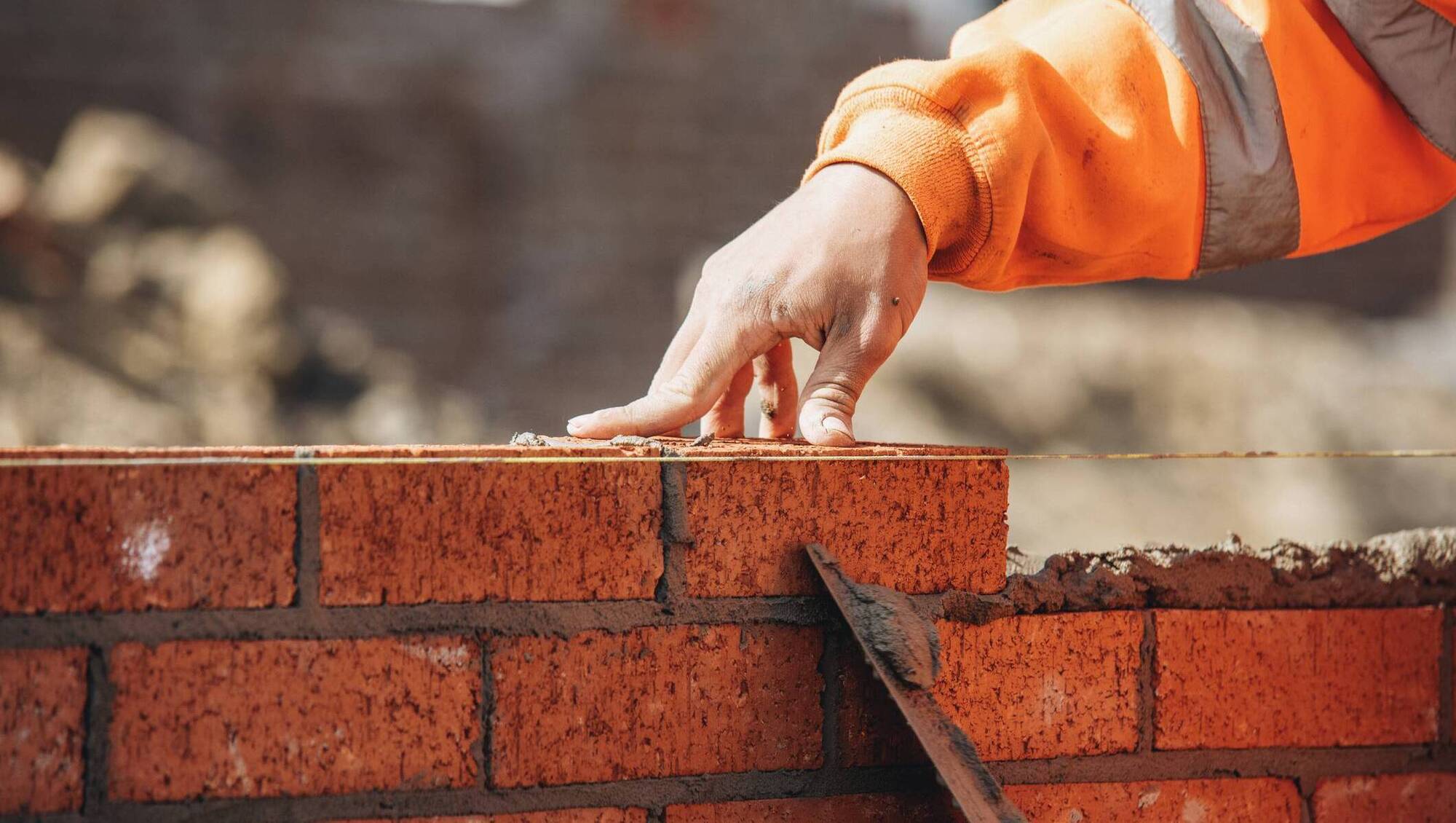
Even though no purchase money changes hands, the transfer still carries important legal and taxation consequences, and both parties should obtain independent legal and tax advice before proceeding. File picture

Dear Reader,
Firstly, congratulations on securing planning permission.
Obtaining permission to build on family lands can often be a lengthy and stressful process, particularly in rural areas where local housing need requirements and planning restrictions can apply.
Once planning permission has been issued, the next stage is to ensure that the legal title to the site is properly transferred into your name before construction commences and before your mortgage funds can be drawn down.
Where a parent transfers a site to a child without payment, this is known as a voluntary transfer or a gift transfer.
Read More
Even though no purchase money changes hands, the transfer still carries important legal and taxation consequences, and both parties should obtain independent legal and tax advice before proceeding.
The first step is usually for your engineer or architect to prepare a Land Registry-compliant map identifying the exact site boundaries and any rights of way or access routes required. This map will form part of the transfer documentation.
Your solicitor will then draft the Deed of Transfer transferring ownership of the site from your father to you.
It is important to note that separate legal representation is generally required. This means your father should have his own solicitor and you should have your own solicitor dealing with the mortgage and transfer.
Although the site is a gift, Stamp Duty still arises because Stamp Duty is calculated on the market value of the property being transferred.
An independent valuation of the site will therefore need to be obtained from an auctioneer or valuer.
Currently, non-residential property, including sites, attracts Stamp Duty at a rate of 7.5%.
However, where the site is transferred for the purpose of building a principal private residence, a refund scheme may apply, provided certain conditions are satisfied.
Generally, construction must commence within the required timeframe, the site must satisfy the relevant size requirements, and the property must ultimately be used as your principal private residence.
In addition to Stamp Duty, Capital Acquisitions Tax (CAT), commonly referred to as gift tax, must also be considered.
Children can receive gifts and inheritances from their parents up to a certain tax-free threshold during their lifetime.
It is therefore important that your tax position is reviewed carefully before the transfer proceeds.
There may also be Capital Gains Tax considerations for your father, depending on the circumstances, although reliefs can often apply in family transfers.
Proper tax advice should always be obtained in advance.
If your father already has a mortgage secured against the farmland, the consent of his bank will likely be required before the site can be transferred out.
This can take time and should be addressed at an early stage.
From a banking perspective, your mortgage approval will generally be issued subject to the site being transferred into your name.
The bank will also require planning permission, detailed construction costings, proof of income, and confirmation from your engineer or architect regarding compliance with planning permission and building regulations.
Most self-build mortgages are released in stage payments as construction progresses.
The bank’s solicitor will require certificates from your engineer at each stage before funds are released.
Usually, the bank retains a final portion of the loan until the house is fully completed and all final compliance documentation has been furnished.
It is also important to ensure that the transfer documentation accurately deals with matters such as rights of access, shared entrances, services, water supply arrangements, septic tanks, and future rights relating to the family farm.
These matters can create significant disputes later if they are not clearly addressed from the outset.
While receiving a site from a parent is a wonderful opportunity, it is important not to underestimate the legal, taxation and banking requirements involved.
Early engagement with your solicitor, engineer, accountant and bank can help ensure that the process runs as smoothly as possible and that costly difficulties are avoided later.
Karen Walsh, from a farming background, is a solicitor practising in Walsh & Partners, Solicitors, 17, South Mall, Cork (021-4270200), and author of Farming and the Law. Walsh & Partners also specialises in personal injury claims, conveyancing, probate and family law.
- Email: info@walshandpartners.ie
- Web: www.walshandpartners.ie
While every care is taken to ensure the accuracy of information contained in this article, solicitor Karen Walsh does not accept responsibility for errors or omissions howsoever arising, and you should seek legal advice in relation to your particular circumstances at the earliest possible time.