'50 times the size of Croke Park': Illegal fire destroys habitats in Wicklow Mountains
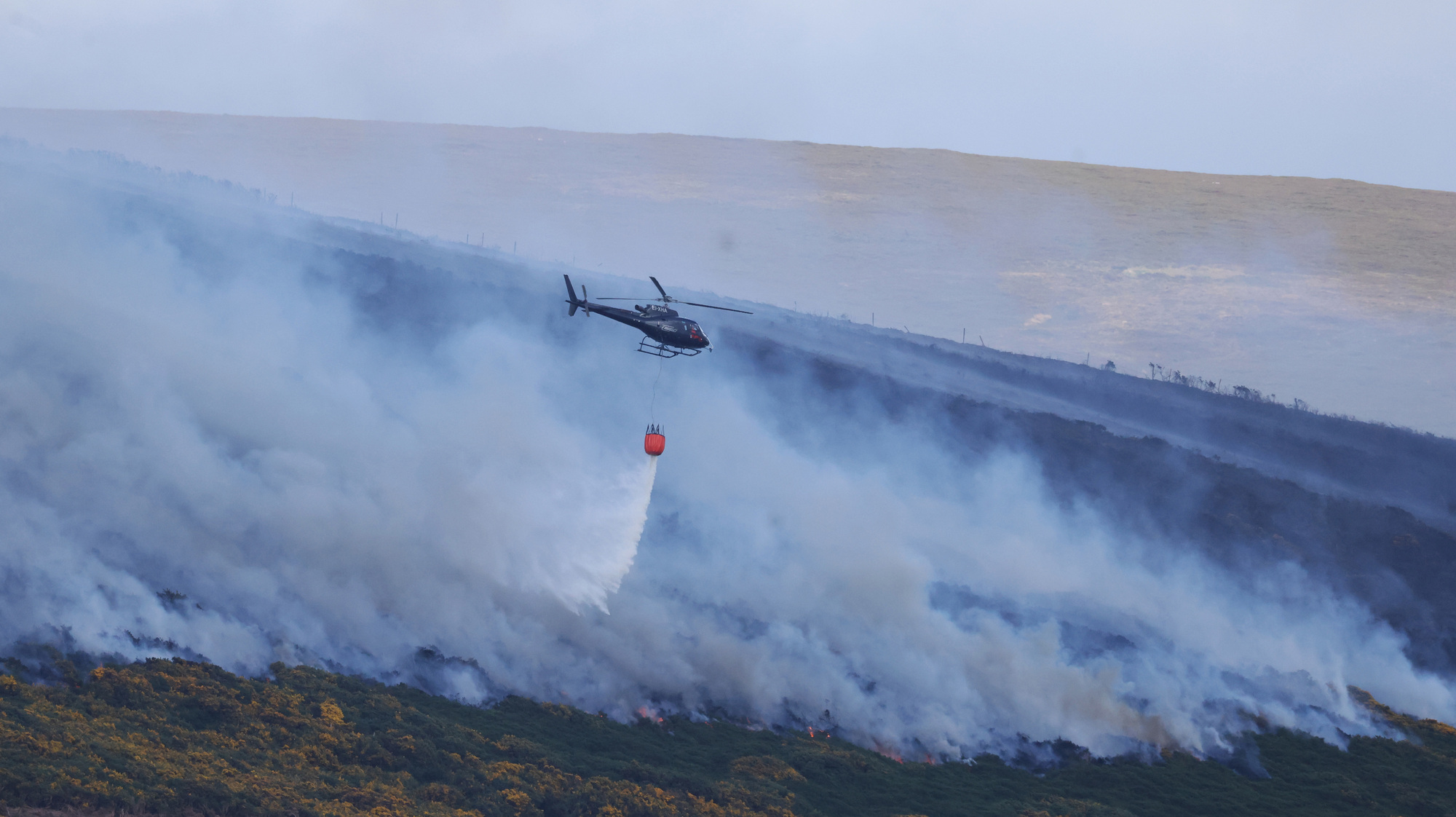
Multiple fire tenders and helicopters to provide water drops were utilised in the efforts to contain and extinguish the blaze.
An illegal wildfire destroyed 66ha of land within the Wicklow Mountains National Park, an area equivalent to more than 50 times the size of Croke Park.
The fire, which was reported in the early hours of Thursday, May 28, occurred on an open hillside in Piperstown, near Glenasmole Valley and was part of the Wicklow Mountains National Park.
Speaking on the matter, Minister of State for Nature, Heritage and Biodiversity, Christopher O’Sullivan said: “This utterly reckless act put homes and lives at risk, diverted essential emergency services, and devastated vulnerable habitats, water quality and wildlife in the middle of the nesting season.”
Strong winds and a significant amount of gorse in the area created the conditions for the fire to spread, spanning 66ha.
Read More
Multiple fire tenders and helicopters to provide water drops were utilised in the efforts to contain and extinguish the blaze.
Now that the emergency response completed minister O’Sullivan said a Garda investigation is underway.
The minister also informed the public that the National Parks and Wildlife Service (NPWS) will be utilising its ‘eye in the sky’ aerial surveillance programme and ground crews to prevent and deter illegal activity in and around National Parks.
Continuing, the minister said: “Meanwhile, legislation specifically prohibits the burning of vegetation during the nesting season – without exemption. I am appealing to communities and landowners to be aware of their responsibilities when it comes to burning activities.
Illegal burning is a wildlife crime and is subject to investigation and prosecution. Damage caused by illegal fires can be cross-reported to, or inspected by, the Department of Agriculture, and can result in a sanction being applied to area-based payments.”
Under the Wildlife Act, burning, cutting, or destroying vegetation on uncultivated land or hedgerows is illegal between March 1 and August 31 to safeguard nesting birds and wildlife during their breeding season. This is strictly regulated to prevent wildfires and protect wildlife. The burning of general domestic or agricultural waste is entirely prohibited.
A spokesperson for BirdWatch Ireland said the situation has made the organisation “extremely concerned” for birds and wildlife in the area.
BirdWatch Ireland said the recent fire in Wicklow “couldn't have come at a worse time of year, because we are right at the peak of nesting season for birds that would be using that habitat. While some of the adult birds can flee, their eggs and chicks cannot.”
Birdwatch Ireland has called on anyone who may have any information regarding the fire to come forward and speak with the Gardaí.
Minister O’Sullivan commended the bravery and work carried out by the NPWS and emergency services regarding the fire and the member of the public who came forward to report it.
Concluding, the minister said: “National Parks belong to the public. Fires such as these are a wanton destruction of public lands and amenities, with a devastating and long-lasting impact on nature. NPWS staff on the ground have already reported numerous Pipit and Lark nests destroyed, and the stories of adult birds carrying beaks full of food looking for their nests now torched is truly heartbreaking. I know how much work, care and dedication goes into conservation in our National Parks.
My thoughts are with the team at Wicklow Mountains National Park as they assess and monitor the damage in the weeks ahead. Nesting season is a time for growth and for the future survival of our rarest birds and wildlife. That makes this act particularly cruel.”