Farmers 'more concerned about climate change' than people think, says ESRI
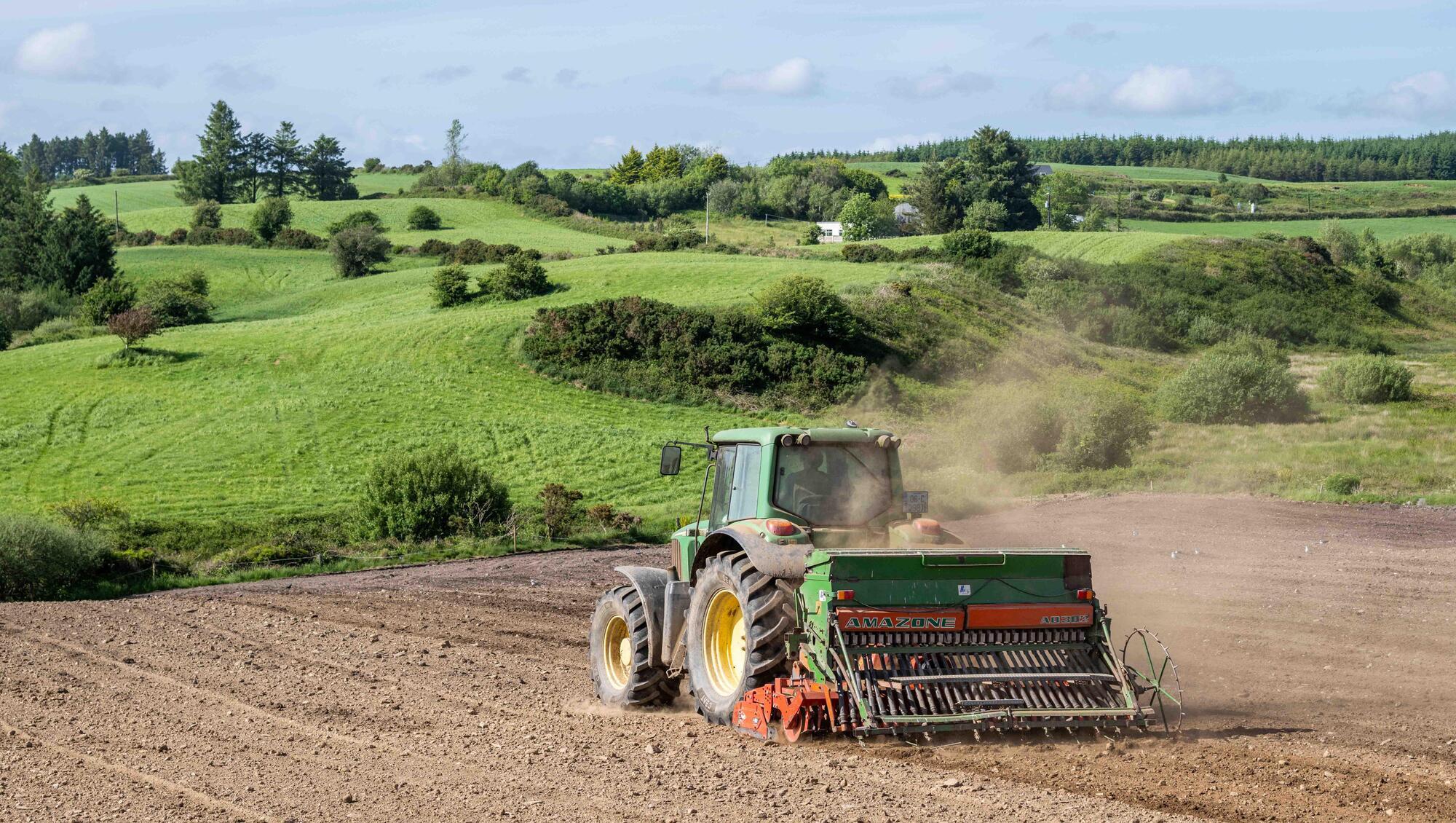
"Reducing greenhouse gas emissions requires people to act together and to trust that others are willing to play their part, too," said Lucie Martin, lead author of the study and Research Officer at the ESRI. Picture: Andy Gibson.
Both farmers and non-farmers worry about climate change and are willing to take action but underestimate each other's worry and willingness, a new study by the Economic and Social Research Institute (ESRI) has found.
Surveying 467 farmers and 1,200 non-farmers split evenly between urban and rural residents, the report measured concern about climate change and willingness to act.
The ESRI said the findings revealed "widespread misperceptions" with both farmers and non-farmers expressing worry about climate change. However, it noted that non-farmers underestimated farmers' actual level of worry, while all groups underestimated the general public's worry and willingness to act. The study found no evidence of an urban-rural divide.
As well as collective misperceptions, the study also found that people tended to be individually biased. Respondents who were least worried and willing to act assumed, incorrectly, that others share their views, while those who were most worried and willing to act were more likely to think that others feel the same, the ESRI said.
"Reducing greenhouse gas emissions requires people to act together and to trust that others are willing to play their part, too," said Lucie Martin, lead author of the study and Research Officer at the ESRI.
"This study reveals misperceptions within and across groups in Irish society that could undermine climate cooperation. Evidence shows that most people decide whether to act based on whether they think others will, too."
Pete Lunn, head of the Behavioural Research Unit and a senior author of the study said, "Climate action in Ireland is different for different people. Farmers can adopt greener technologies, urban residents can reduce car use, all of us can eat more sustainable and healthier diets, and so on. But damaging misperceptions can arise if people do not see other people acting as part of the same climate effort."