Live export mortality a fraction of on-farm death rates
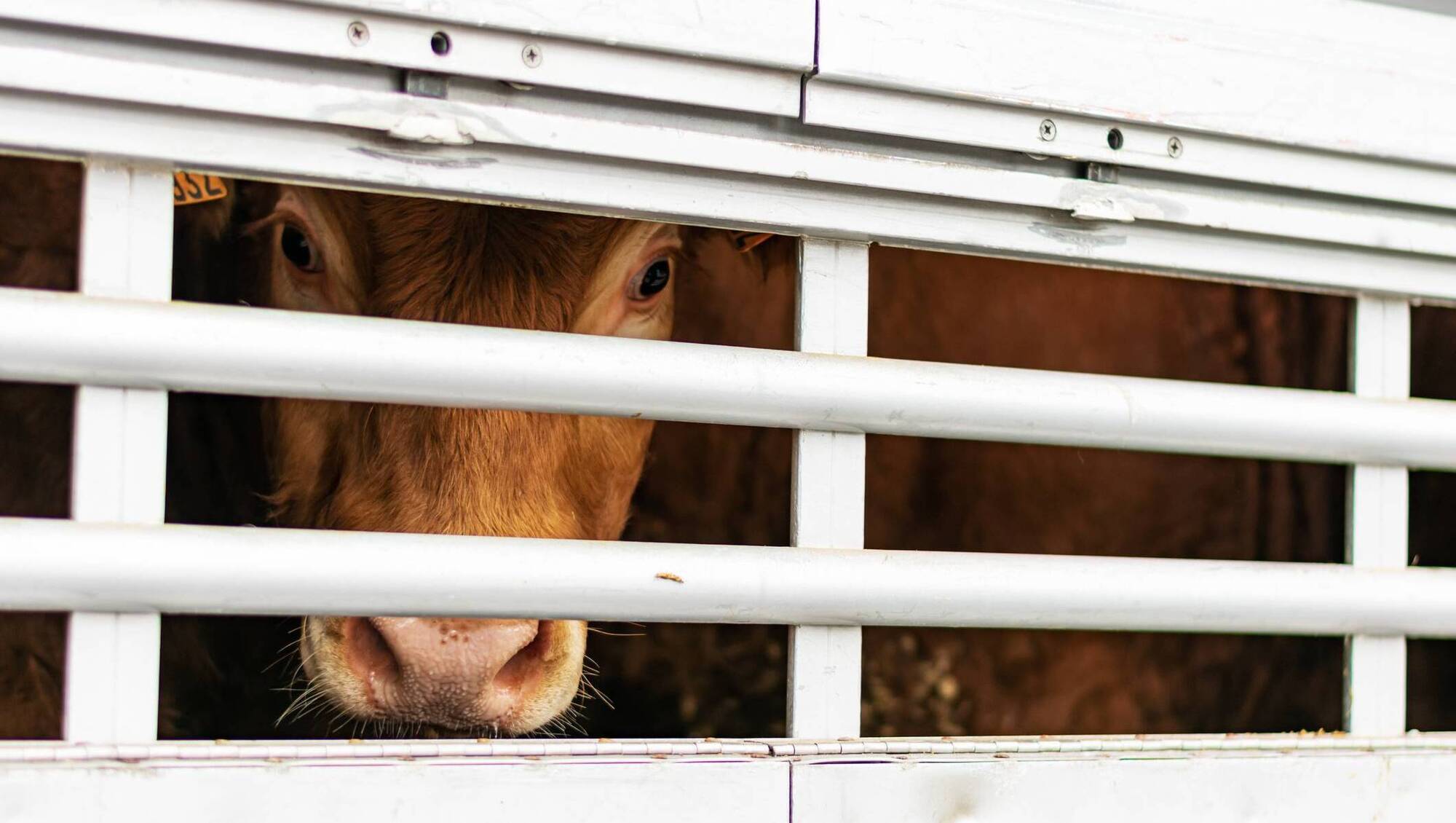
The 0.095% mortality rate in live exports is a fraction of the estimated 3%-6% mortality rate in cattle of all ages on Irish farms
Live export mortality a fraction of on-farm death rates

Apart from one shipment in 2022, which included both cattle and sheep, the mortality statistics relate solely to cattle.

Department of Agriculture figures show only 74 cattle died in transit out of 78,171 shipped from Ireland on livestock vessels to non-EU destinations over the past four and a half years.

The 0.095% mortality rate is a fraction of the estimated 3%-6% mortality rate in cattle of all ages on Irish farms.


Apart from one shipment in 2022, which included both cattle and sheep, the mortality statistics relate solely to cattle.

"Live exports are only possible with the highest animal welfare standards during transport, and EU legislation allows for these journeys to take place as long as these standards are adhered to throughout the journey, including those parts of the journey that lie outside the European Union," said agriculture minister Martin Heydon in response to a series of parliamentary questions on live exports from Fianna Fáil TD Erin McGreehan.

He said: "Technical experts within my department review the findings from all voyages to ensure continual enhancements in animal welfare and to identify any training needs."

He said the trade and export of animals was regulated by his department in accordance with EU and national regulations.

For a dedicated livestock vessel to be permitted to load and transport animals out of Ireland, it must be approved following a rigorous physical inspection by the department and a contracted marine engineer.

The vessel must also be checked by department officials before, during and after loading for any issues that could affect the welfare of the animals being transported.

Regulations also require an approved vessel to have a sufficient number of crew members on board who are competent in the care and management of livestock and capable of satisfactorily tending, feeding and watering animals throughout the voyage.

A Department of Agriculture veterinary inspector is on board the ship to carry out official controls during the voyage, where possible.

Ammonia concentrations and humidity levels are monitored during loading. The recommended animal welfare threshold for ammonia is below 20ppm. If a short-lived elevated ammonia concentration is detected, immediate corrective action is implemented, such as adjusting the ventilation system, until ammonia levels return to acceptable limits.

The highest humidity level recorded in the past five years was 97%, while the highest temperature recorded was 33C and the highest ammonia reading was 24ppm.

However, these measurements were exceptional and unrepresentative of normal conditions, as humidity and temperature levels are monitored and managed to protect animals from heat stress, excessive moisture and adverse climatic conditions during sea transport.

Prior to travel, an animal must be deemed fit for the intended journey.

Regulations specify a pregnant animal for which 90% or more of the expected gestation period has passed is not considered fit for long-distance transport.

As part of the official certification process, veterinary inspectors assess each animal to ensure it meets the fitness-to-travel conditions laid down in the regulations. Animals that do not meet these conditions are not permitted to travel.

However, department figures show premature births occurred in 14 of the 78,171 animals shipped to non-EU destinations over the past four and a half years. Three of these occurred among the 7,562 animals shipped in 2025, while 11 occurred among the 6,832 cattle shipped to non-EU destinations for which 2026 figures were available.

Meanwhile, according to Bord Bia, the live cattle trade picked up in May, with more than 13,000 cattle shipped in the week ending May 17.

Improved weather and steady demand for cattle in key export markets supported the trade.

The short-term outlook remained firm, with exporters actively sourcing suitable cattle for export contracts.

So far in 2026, 202,916 cattle had been traded to all destinations. This was 15% lower than the record levels seen in early 2025, but very similar to 2023 and 2024.

Calves continued to dominate the live trade, with about 11,000 exported a week recently. The Netherlands, Spain and Italy continue to be the key destinations for Irish calves.

According to Bord Bia, the longer-term outlook for live cattle trading remains challenging. However, reduced cattle supplies in mainland Europe should help support steady demand for Irish cattle in the short to medium term.

More in this section

Farming

Newsletter

Stay ahead of the season. Sign up for insights, expert advice and stories shaping Irish agriculture.

Cookie Policy Privacy Policy Brand Safety FAQ Help Contact Us Terms and Conditions

© Examiner Echo Group Limited