Reseeding always pays: Brian's top tips for reseeding success
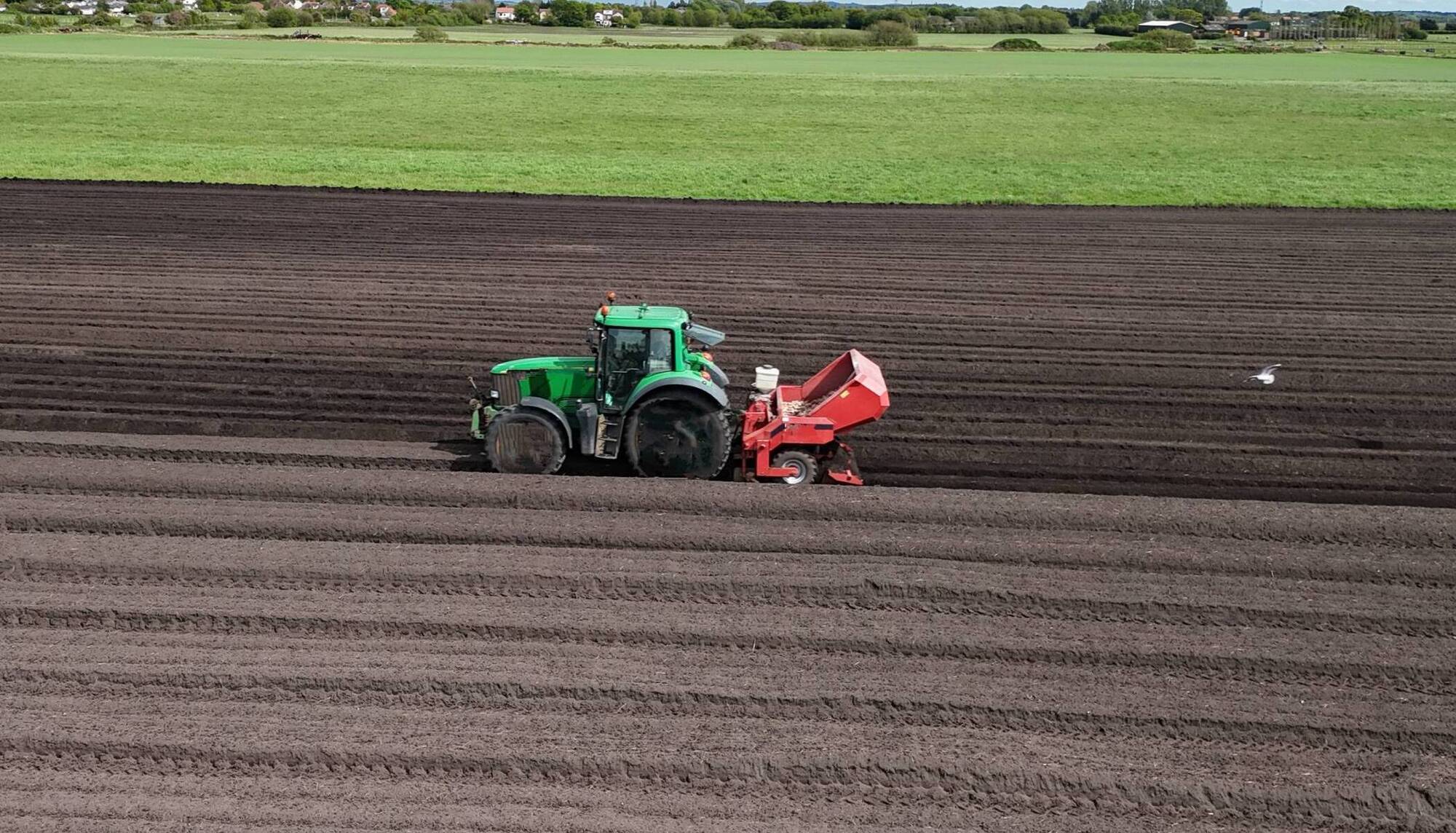
Underperforming swards and damaged paddocks need to be reseeded badly if they are to produce a high yield of grass next year and beyond.

After very tough spring, where grass growth was well behind seasonal norms and is only just recovering, every livestock producer has had great difficulty in keeping quantity and quality in front of their stock.
Ground has been stressed by all the rain and some poaching earlier in the year. Grass really has been struggling for long periods this year, and only in the last week have we seen that nice, rich green colour in swards.
Now that growth has finally recovered, it should encourage us to start planning for some autumn reseeding. Obviously, due to weather, very little spring reseeding was done.
Depending on the method you will use, you should be starting to work on the swards to be reseeded over the coming weeks. During any recent dry spells over the last few years, it was obvious younger swards grew better for longer, while the old worn-out ones slowed down much quicker. Poorer swards are also more identifiable at the shoulders of the year, when they are slow to get going and fast to slow down.
Irish beef and dairy producers rely heavily on grazed grass and grass silage as their main forage sources. The quality and quantity of grass produced can be the biggest feed-related influence on animal performance and farm profitability.
The majority of beef and dairy farms have a proportion of swards that don’t always grow enough grass during the year, especially at the shoulders of the year. This is often due to the absence of sufficient perennial ryegrass in swards. This may be due to many factors, such as sward age, pasture management, poaching, weed population and soil fertility with regard to P and K, pH and trace element status etc.
It is always observed by farmers how much better recently reseeded paddocks are growing compared to older swards. Underperforming swards and damaged paddocks need to be reseeded badly if they are to produce a high yield of grass next year and beyond. It is also very obvious in periods of rapid growth which paddocks are not growing grass efficiently.
Reseeding is not cheap so it should only be done where significant financial benefits are to be gained. Pastures deteriorate over time, and this is a natural process that cannot be avoided. General recommendations are that grazing ground should be reseeded every eight to 10 years, and continuous silage ground should be reseeded every five to seven years, particularly if two or more cuts are taken annually.
Many continue to reseed by the traditional method of ploughing, while others are using direct drilling and stitching in grass, among other methods. Topsoil depth, stone population, and soil structure may determine the method most appropriate. Obviously, for those in a nitrates derogation, use of the plough is restricted, so research the methods available to you carefully.
Regardless of the method, there are important things you need to get right. A good firm seedbed needs to be created for good establishment of the new sward. As important is getting the pH of the soil up to desirable levels. The P and K levels of soil also need to be acceptable to aid the establishment of new swards.
- More grass growth on both shoulders of the year;
- New swards are much more responsive to nitrogen compared to old permanent pasture;
- Improved animal performance from better-quality, more palatable grass;
- Re-growth is faster, meaning more grass grown annually;
- Better silage quality and quantity.
The type of mix you choose at reseeding on a dairy or beef farm should be determined by what you intend to use the sward for. Questions to ask yourself include:
- Is the field going to be used for mainly silage or grazing?
- What level is your farm stocked at?
- What types of soils are being reseeded?
- Heading date and diploid/tetraploids proportions need to be considered when making your decision.
- What rate should you include clover in the mix will depend on how much nitrogen you apply and what chemicals you use for weed control?
- Look at the recommended variety lists and ask locally what mixes are working well.
First, choose a field that is low-yielding, with a high proportion of weeds and with lower percentages of perennial rye grass.
- A soil test should be done on the fields you are reseeding;
- Spray off the field with glyphosate;
- Establish a fine, flat and firm seedbed if ploughing or disking, etc;
- Stitching in has become more popular and can be very successful where soil nutrient status is good;
- Apply fertiliser and lime as per your soil test result;
- Sow grass seed at 12-14kg/acre;
- The seedbed should ideally be rolled to ensure moisture is retained and the seed makes good contact with the soil;
- Weed control — It is important to hit weeds at an early stage for maximum control;
- Pest control — Monitor the new crop for slugs, leatherjackets, frit fly and rabbits.
- The first grazing is very important for sward establishment;
- Graze well and quickly to encourage tillering and increase vigour;
- Stock heavily and get in and out of new reseeds quickly;
- This encourages optimum tillering.
- Brian Reidy is an independent ruminant nutritionist at Premier Farm Nutrition. His column features in the every Thursday.