Heifer-rearing: Why 22-24 months remains the key target for calving
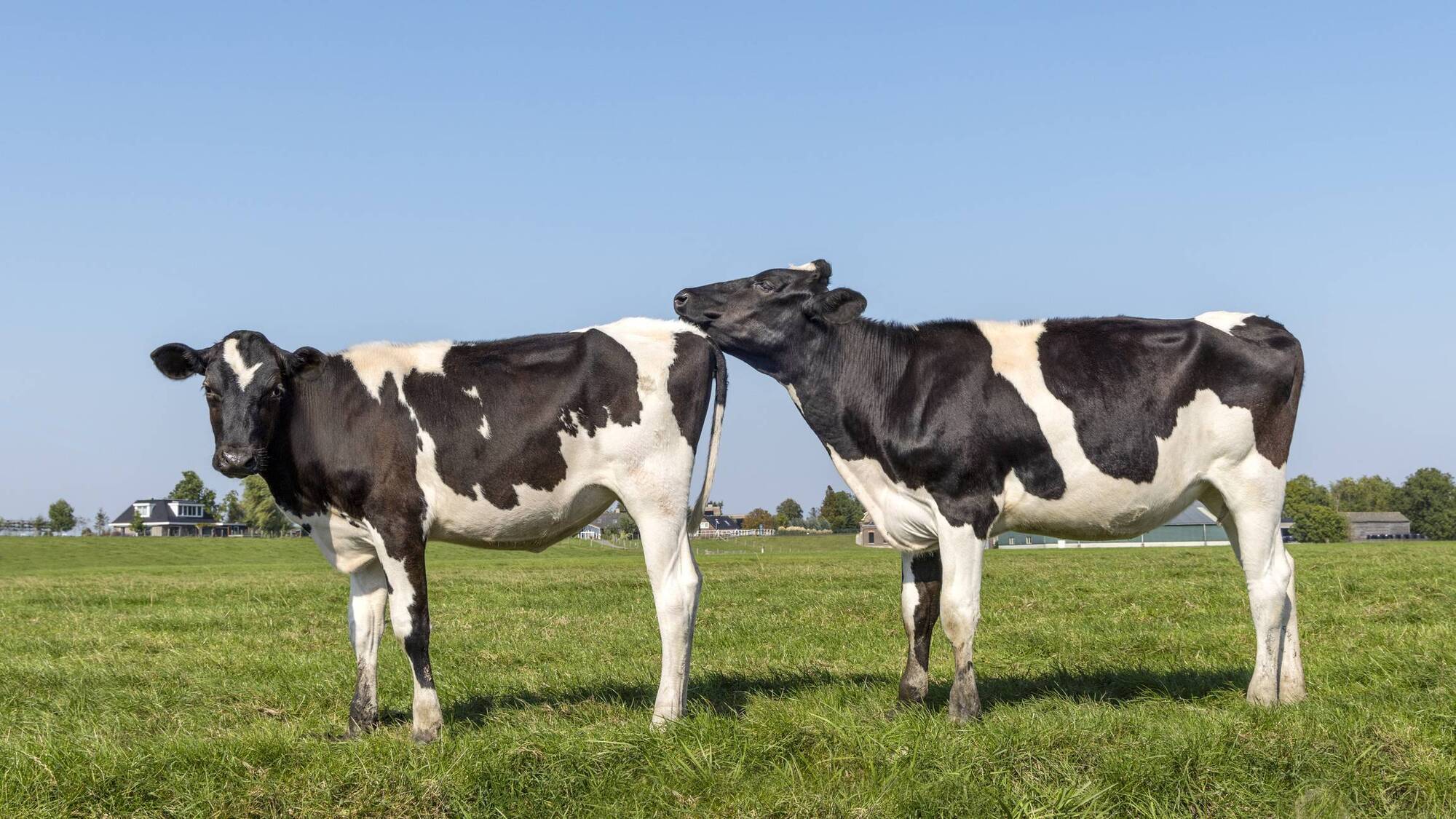
Rearing heifers for replacements is one of the most important elements of dairy and suckler farm management, writes ruminant nutritionist Brian Reidy.

Spring 2026 calves are only a few months old, yet decisions about their management right now will determine the future of your herd.
Rearing heifers for replacements is a very important element of dairy and suckler farm management.
In the dairy herd, most will retain their own heifers and will have made important breeding decisions last year to produce their future cow. In the suckler herd, if you retain your own heifers rather than purchasing them in, then the same will apply.
These young heifers will be the future of your farm.
Read More
Efficient heifer rearing provides a sound platform for the herd's future, while not hitting growth and fertility milestones will result in poorer herd performance.
Underdeveloped first calvers tend to result in losses after the animals join the herd, through mortality, increased disease, forced culling, and reduced productivity.
This applies in both dairy and suckler herds, as a poorly grown heifer often fails to compete and ultimately survive long enough to recoup her rearing costs.
Successful heifer rearing requires attention to detail.
A good programme sets targets and ensures that these are achieved through regular monitoring of the animals throughout the rearing period.
For dairy replacements, weaning them at target weight and size is critical, followed by good nutrition management post-weaning with appropriate grass quality and supply of concentrates and roughage.
Weighing dairy heifers can be helpful in their first summer to keep an eye on the poorer-performing animals.
In the suckler herd, monitoring progress is done by many through the weighing of cow and calf pairs as part of the SCEP. The purpose of this is to measure calf growth rate and ultimately the volume and quality of milk produced by the cow.
It's useful even if the ICBF doesn’t use the weights inputted by farmers in the data.
The ultimate objective is to rear, as efficiently as possible, an animal that, once calved, is capable of maximising her genetic potential for production.
Central to the cost of production is the age of first calving.
For both dairy and suckler herds, the optimal target is generally 22-24 months.
Below this age, there will be an increased incidence of calving difficulties and reduced productivity post-calving.
Heifers that calve late may become over-fat pre-calving, and rearing costs over an extended period are increased.
There is a case for larger continental breeds to calve down for the first time a little older, but not as far out as 36 months.
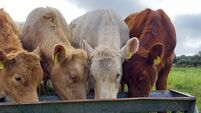
In a dairy herd, there are generally two types of heifers on farm during the summer months — those just weaned or soon to be weaned and those just gone in calf. Both groups need to be driven on now until housing.
Meanwhile, there are typically three types of heifers on most suckler farms — ones suckling their mothers, the ones that are in calf for next season, and autumn 2025 calves just weaned or soon to be weaned.
In both suckler and dairy herds, heifer rearing is expensive, with up to 60% of the costs being incurred in the first nine months.
The target growth rate for heifers varies according to age and is influenced by the planned age and weight at calving and, obviously, by breed.
The aim should ultimately be to achieve a well-grown heifer at calving; in general, the heavier and more growthy the heifer at calving, the less growing she needs to do in her first and second lactation, therefore diverting more energy into producing more milk for the tank or for rearing her calf.
Given the requirements for consistent growth, it is critical that there are no prolonged periods of very low growth in replacement heifers.
With the recent variability in weather, it is still critical that heifer performance in both beef and dairy herds is monitored closely.
Balancing grass quality with animal performance heifers that have been inseminated to calf next spring need to be provided with sufficient good-quality grass to maintain good growth.
If grass is tight, these animals must not be put on poor grass quality unless you are going to increase or introduce meal supplementation to ensure they are getting their nutritional requirements to grow and reach target gains.
Many autumn-calving sucklers are being dried off now or soon will be.
While a lot of attention will be paid to the weanling, there also needs to be an eye kept on the cow.
Dry off cows quickly by feeding them straw for three or four days before returning them to grass.
Watch carefully for mastitis. It is also important that you keep dry sucklers fed without allowing them to get too fat.
Graze them behind other stock to tidy up paddocks or allocate them stronger paddocks and strip-graze to control intakes.
Fat cows at calving are a severe health risk for both cow and calf and need to be avoided. Calving difficulties will hugely reduce a cow's subsequent fertility performance.
Over-conditioned cows are also more likely to have metabolic disorders post-calving too. Milk fevers and held cleanings can be a nightmare in autumn calvers if not managed carefully.
- Brian Reidy is an independent ruminant nutritionist at Premier Farm Nutrition. His column features in the every Thursday.