Farmers call for more support for bluetongue vaccines under beef scheme
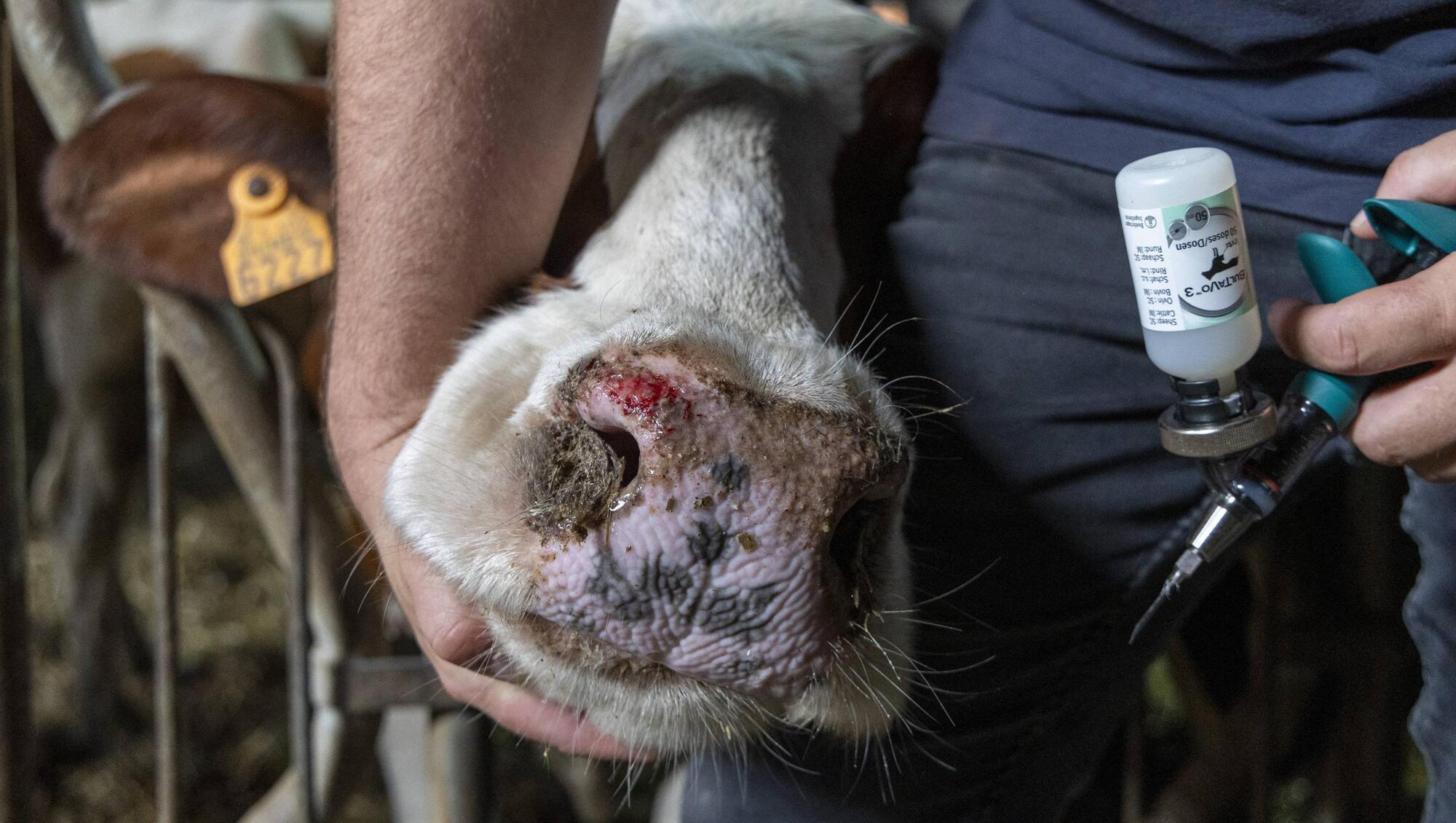
ICSA said more support for farmers in the Beef Welfare Scheme was needed.
The bluetongue vaccine must be supported as an additional measure and not at the expense of other core health actions, says the Irish Cattle and Sheep Association (ICSA).
ICSA suckler chair Eoin Ryan said the department’s option under the 2026 Beef Welfare Scheme forces farmers to choose between vaccinating against bluetongue over other essential measures.
“The department’s decision effectively forces farmers to choose between vaccinating for bluetongue or continuing with essential measures such as clostridial vaccines or pneumonia protection. That is not a position any farmer should be put in. It is simply shifting risk from one area to another rather than strengthening overall herd health,” he said.
“Bluetongue represents a very real and immediate threat to the national herd, with the potential to cause serious losses if farmers are not properly supported to vaccinate.
Mr Ryan said the timing of this decision added to the pressure on farmers, with spring being the key window for vaccinating calves and suckler cows as breeding season is about to begin.
“In the case of bluetongue, animals should be vaccinated well in advance of breeding, so clarity and support are essential at this point to ensure farmers can act in time to protect their herds.
“With the increase in livestock values over the last 24 months, the need to vaccinate has never been more important to prevent the loss of valuable animals. Farmers know their own risks, particularly when it comes to clostridial diseases, which remain a serious threat in many areas.”
He highlighted that last autumn, some “shippers were reluctant to purchase animals that had not been vaccinated for pneumonia. Farmers need to act now to avoid a repeat of that scenario later in the year, where animals become difficult to sell due to incomplete health measures.”
The ICSA suckler chair said the current approach was further undermined by funding issues within the scheme, saying it was “effectively underfunded last year”, with payments reduced due to oversubscription, meaning farmers were not fully compensated for the actions they undertook.
“At a minimum, the department should now examine whether any unspent funds under schemes such as SCEP can be used to finance additional vaccination measures.
"Farmers cannot be expected to absorb more cost or risk on the back of already reduced payments. If the objective is to build resilience in the suckler herd, then the policy must support farmers in doing more, not force them into doing less,” Mr Ryan added.