Farm view: Electric tractors won’t fix a diesel crisis on farms
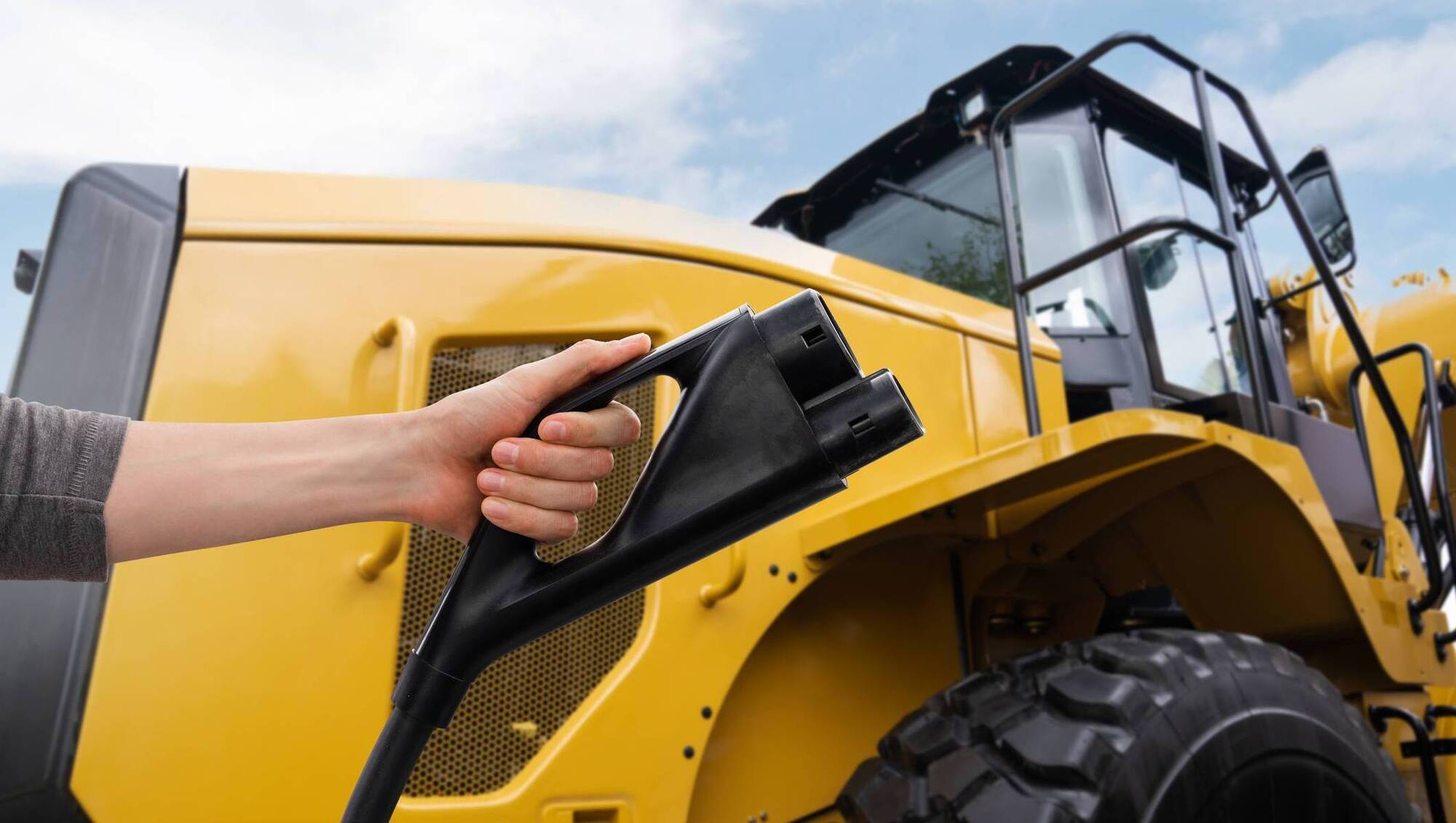
Battery-powered tractors in the lower power range are available on the market, but the big breakthrough is some distance away, said experts at the Agritechnica show in Germany last autumn.
Sky-high diesel prices made agricultural contractors unviable, leaving them with no option but to protest by blockading roads.
But could electric tractors get them back in action? After all, then minister for foreign affairs Micheál Martin said during his visit to Africa in 2024 that electric tractors could transform agriculture.
Battery-powered tractors in the lower power range are available on the market, but the big breakthrough is some distance away, said experts at the Agritechnica show in Germany last autumn.
And even as fuel protests put the Government in a difficult position, a high-profile failure by an American autonomous electric tractor company emphasised the message that farming and food production cannot continue without affordable diesel.
Hopes for electric farming took the Monarch Tractor start-up company in California to a valuation of $500m. But it has now closed its doors, after raising $240m in venture capital to develop the world's first fully electric, autonomous tractor.
magazine even named it one of 2023's best inventions. Supposedly guided by artificial intelligence, the tractor was a total failure in real farming conditions.
Multiple tractor dealerships have sued Monarch for allegedly selling defective tractors, which cost as much as $100,000, before government grants.
The company is being investigated for not providing statutory notice of at least 60 days to as many as 300 employees.
Hopefully, it won’t dampen the efforts of other electric tractor entrepreneurs, for whom a major obstacle is the high cost of batteries, which almost double the selling price compared to the already hefty price tags on comparable diesel tractors.
However, Chinese manufacturer ZSHX Advanced Tractors is expected to shake up the European market with the XEEVO E904i, expected to cost about €100,000.
John Deere showed a battery-powered tractor with 96 kW (130 horsepower) at Agritechnica.
The entry of this major manufacturer could give battery electric tractors a boost.
Chinese manufacturer Zoomlion is said to be aiming at the upper performance classes, with an electrically driven gearbox-rear axle unit for tractors up to 400 horsepower. This comprises two coaxially arranged electric motors, which can be used separately or together for the drive system and rear PTO.
That would be a big step-up from conventionally sized field work tractors with battery electric drives that offer reduced emissions, increased driveline efficiency, torque reserve, lower fuel import dependency, and use of renewable energy.
Currently, the most popular concept is replacing the internal combustion engine with an electric drivetrain, without affecting the vehicle’s structure.
But the relatively low-energy storage capacity of batteries means using an e-tractor for heavy work necessitates a trade-off between either a longer working day for the driver to include battery recharging, or reduced total farm work time.
To overcome these limitations, designers are looking at autonomous drive systems for more hours of work compared to a manned tractor, or rapid recharging.