Best electric cars in Ireland 2026: The EVs worth considering now
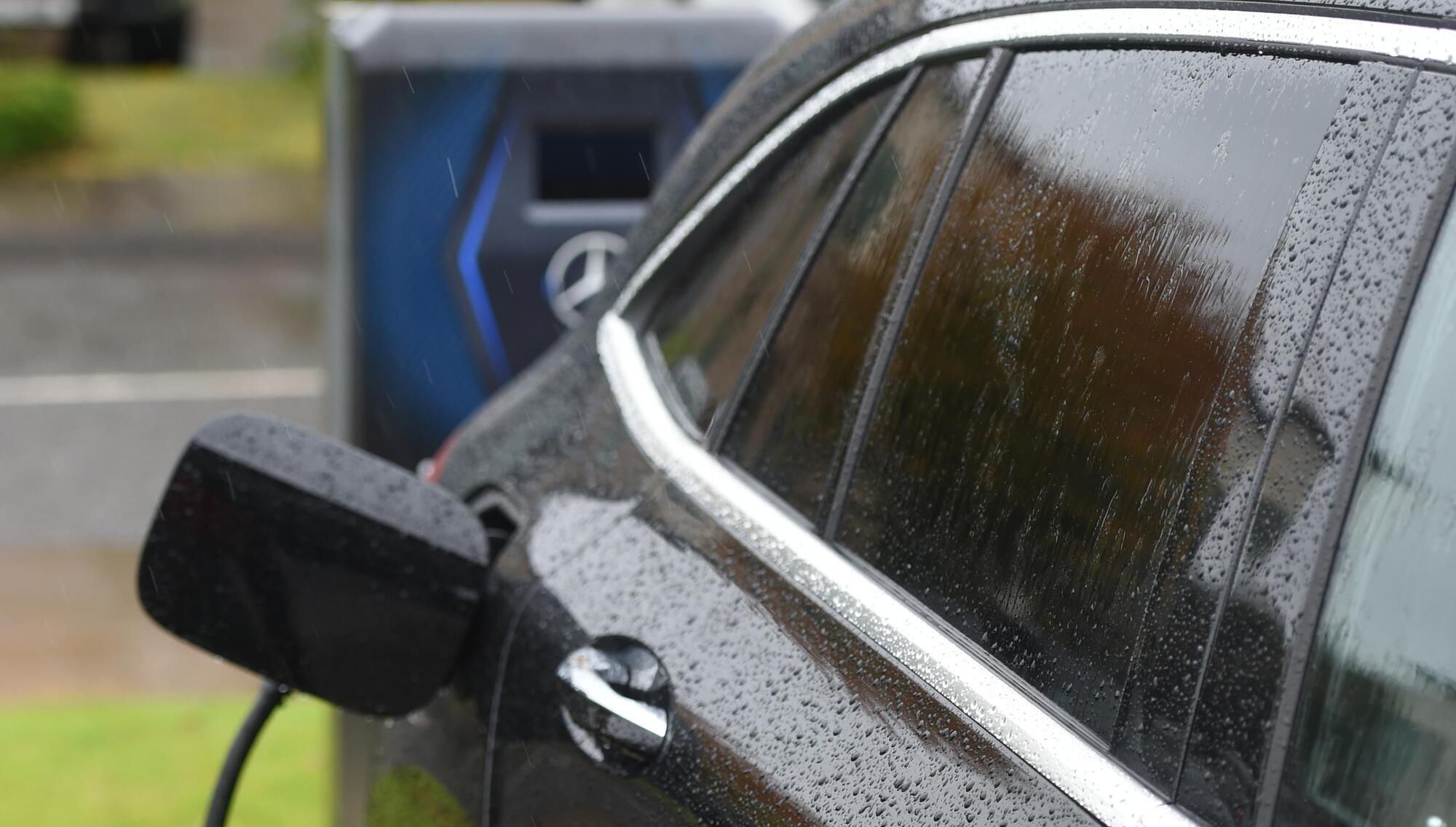
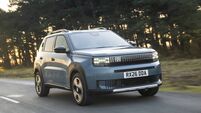
Developments in some SUVs suggest that the next generation of electric SUVs will consign range anxiety to the history books. File picture: Larry Cummins
In the first six months of this year, 116 different makes and models of fully electric car were registered in Ireland.
That is an extraordinary figure when you consider how recently there were only a handful of names associated with EVs.
Admittedly, that variety can make choosing one more difficult rather than less, especially if you’re not loyal to any one brand.
There are now electric options across all the segments, from city cars, family hatchbacks and crossovers to big SUVs, executive saloons, estates, hot hatches, luxury limousines and even sports cars.
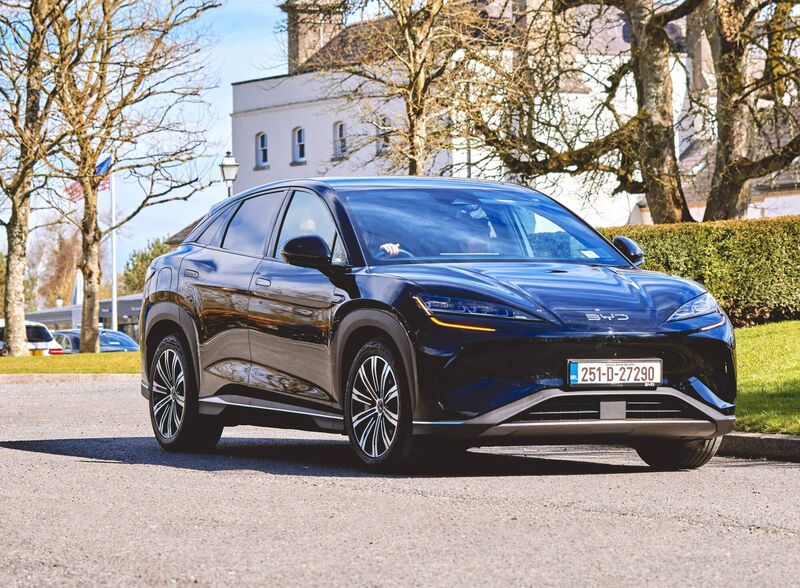
Just as bewildering for buyers is the onslaught of relatively new brands such as BYD, Xpeng and Leapmotor, along with reborn names such as Smart.
Read More
For motorists already converted to electric car ownership, it’s less of an issue perhaps.
But for everyone else, their first EV must convincingly replace the petrol, diesel or hybrid car they would have usually bought.
That is why SUV-shaped EVs dominate the sales charts. Look at the best-selling electric cars in Ireland and you’ll find the Volkswagen ID.4, Kia EV3 and EV5, Hyundai Inster and Kona, Skoda Enyaq and Elroq, Toyota bZ, BYD Sealion 7 and Tesla Model Y all jostling for position in the top 10.
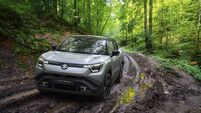
Strictly speaking, some of these are barely SUVs at all.
The Hyundai Inster is really a tall city car. The Kia EV3 is closer to a compact hatchback with a chunky stance while the Skoda Elroq is a family crossover, not a mud-plugger.
But buyers like the elevated driving position of SUV-like cars, the practicality and the sense that they are getting more car for their money. There’s a perceived status to having one on the driveway, too.
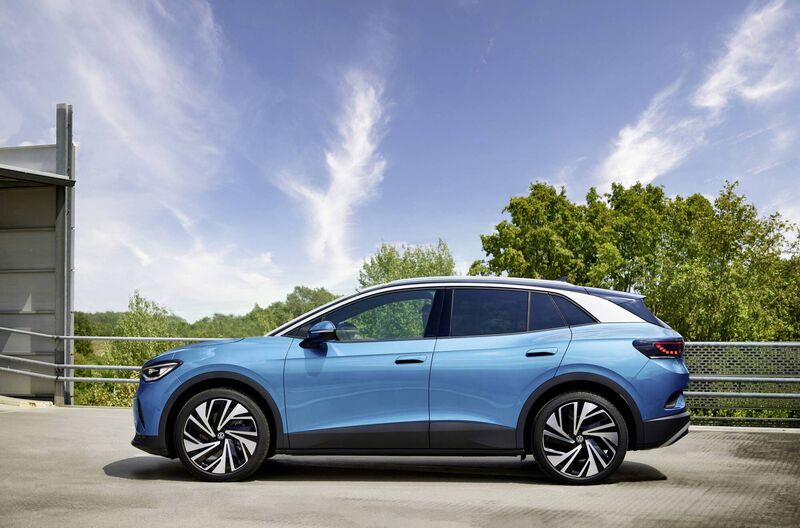
The VW ID.4 remains a major electric force in Ireland, partly because it’s a known quantity, it’s cheap and can be had on affordable finance from Volkswagen’s own bank.
Nonetheless, it is beginning to feel left behind by newer models such as the MGS6 EV. Other excellent alternatives include the Nissan Ariya, Renault Scenic and Kia EV5.
While the Kia EV3 is smaller, it feels like one of the best buys on the market. It is compact enough for Irish roads and car parks, but it has the cabin space and range to work as a main family car.
The EV3’s controls are not all on a touchscreen, the cabin is practical and the long warranty is reassuring.
Top tip if you’re in a Kia showroom checking it out: have a sit in the new EV2 as well. It’s more affordable again and yes, it’s smaller, but it’s a charming electric option.
Another Korean company, Hyundai has the fantastic little Inster at the affordable end of the spectrum, the Kona Electric as the family crossover, the Ioniq 5 as the design-led all-rounder, the Ioniq 6 as the — massively underrated — sleek saloon and the enormous Ioniq 9 for those who want seven-seat electric transport.
No surprise then that Hyundai has registered more EVs in Ireland this year than anyone else.
But Hyundai isn’t betting it all on SUVs, as evidenced by its new Ioniq 3, which it refers to as an “aero hatch”. Here is an electric car that sits much closer to the traditional family hatchback than the now-default crossover.
It is expected to be priced from around €28,000 in Ireland, with the longer-range version offering close to 500km to a charge.
It is not alone, either. The VW ID.3 has been quietly improved, Renault has the charming 5 E-Tech at an equally charming price and the new Mazda6e brings a sleek, almost old-fashioned saloon silhouette back into play.
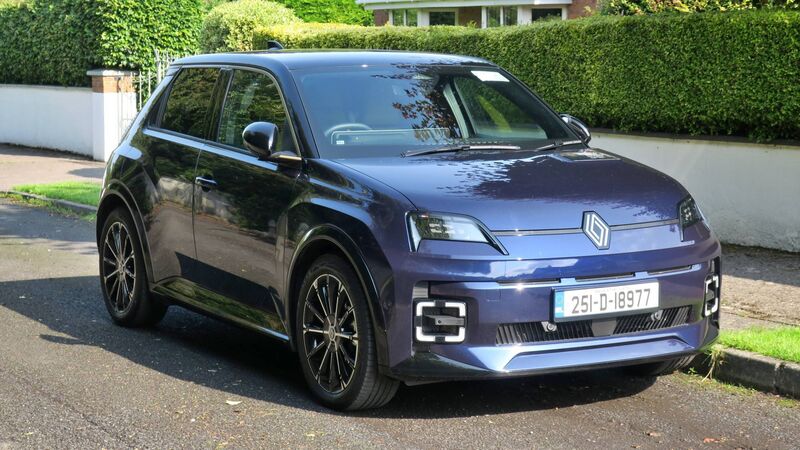
None of these is likely to topple the SUV overnight, but they show that the traditional car is fighting back.
The Mazda6e is especially interesting because it avoids the blobby jelly mould design of many electric SUVs. It is a long, elegant fastback with a premium cabin and a more graceful look than most cars at its bargain price point (from €44,610).
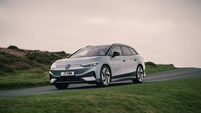
Other leftfield options to seek out include the DS Automobiles No.8 and the quirky Peugeot E-408. It’s also worth noting that the Volkswagen ID.7 is a much better car than the ID.4 in most respects. Especially in Tourer form.
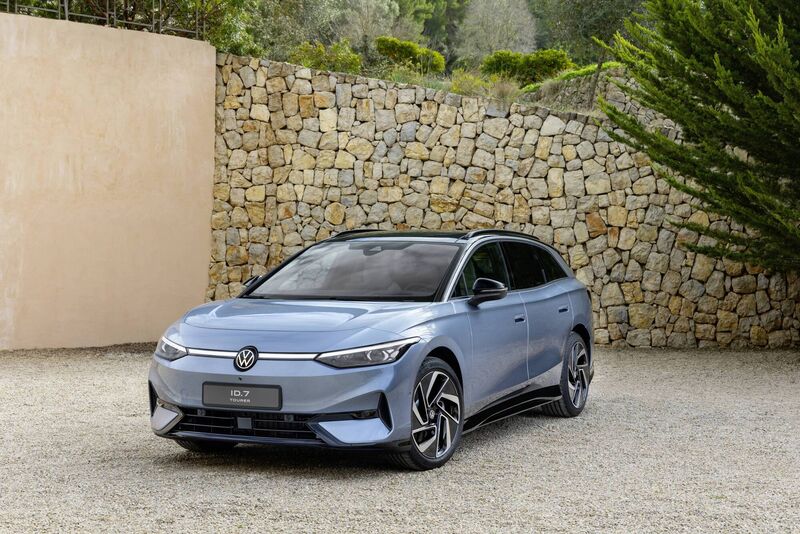
That brings us to a neglected corner of the market: the estate. Irish buyers say they need an SUV for space, but very often what they need is a big boot, a long load floor and decent rear-seat room.
An estate does that without the extra height, weight and aerodynamic penalty of an SUV. The ID.7 Tourer is the obvious electric example, but there is also the BMW i5 Touring, the Peugeot E-308 SW and the odd new Toyota bZ Touring to consider, along with the Porsche Taycan Sport Turismo or Cross Turismo, if you have deep pockets.
None of these will sell in vast numbers, because estates have always been niche in Ireland, but if you want range, refinement and luggage space, an estate can be a smarter answer than a tall SUV. They nearly always drive better, too.
The premium end of the market is, unsurprisingly, where some of the best EVs are found. That is not because a €70,000 electric car is automatically better than a €35,000 one, but because expensive EVs can carry the cost of big batteries, advanced suspension and detailed engineering.
The new BMW iX3 looks like a major step forward, for instance, not just for BMW but for the wider market. With an official range of up to 805 kilometres, it suggests that the next generation of electric SUVs will consign range anxiety to the history books.
The more subtle Volvo EX60 is similarly significant, promising long range, fast charging and the sort of calm, high-quality cabin Volvo buyers expect.
Polestar, meanwhile, now has a proper Irish line-up with the Polestar 2, Polestar 3 and Polestar 4 all available, and the gorgeous range-topping Polestar 5 just around the corner. The Swedish brand has at least three more EVs in the pipeline for launch in the next year or two as well.
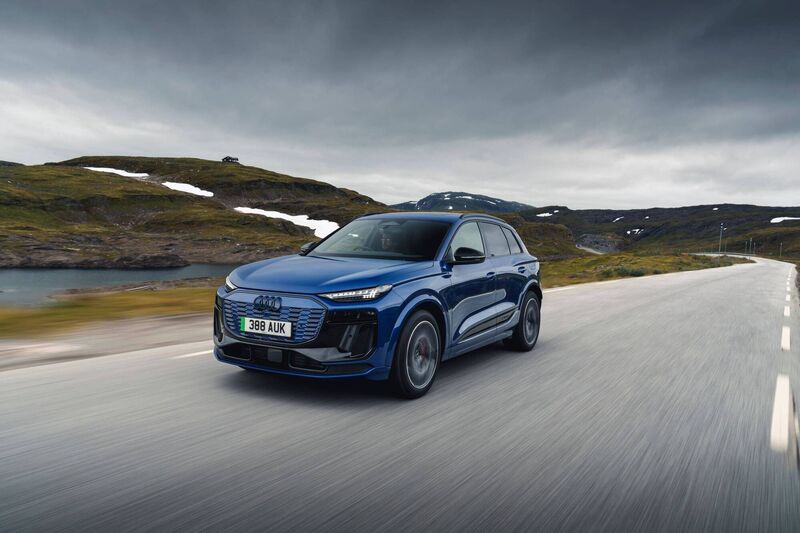
BMW’s i4 remains one of the best electric executive cars because it feels like a proper BMW first and an EV second. The larger i5 is expensive, but in the right specification it is a superb long-distance car, and as classy as any BMW 5 Series before it.
Then there are the cars for people who care about driving. EVs do without the roar of a sporty exhaust and the mechanical theatre of a manual gearbox that appeal to enthusiasts, but they do have instant torque, low centres of gravity and the potential for extremely precise power delivery at each of the four wheels.
On top of all that measurable stuff, some of the carmakers are getting to grips with delivering the intangibles, things like steering feel, agility and communication between car and driver.
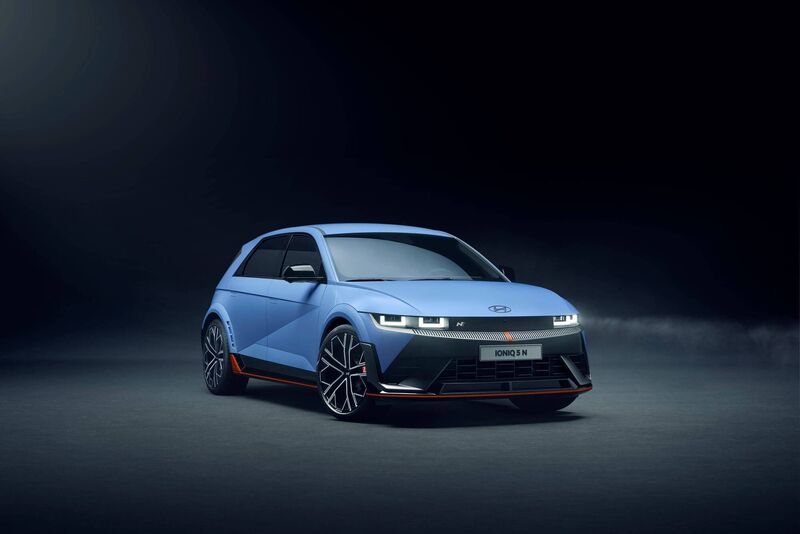
The Hyundai Ioniq 5 N was one of the first convincing attempts to make an electric car feel mischievous.
The ideas of artificial gearshifts and a synthesised soundtrack seem ridiculous until you try them, at which point you realise Hyundai has understood that involvement matters, even when it is partly simulated. The newer Ioniq 6 N does the same thing, in a sleeker package.
Cupra’s Born VZ is another appealing option, a rear-wheel-drive electric hot hatch with enough performance and attitude to feel distinct from its Volkswagen Group relatives.
The smaller Cupra Raval, due later this year, pushes that idea into a more affordable part of the market and we can tell you that the VZ variant is one of the best-to-drive EVs around, at any price.
Speaking of which, Porsche, unsurprisingly, remains the benchmark for electric performance cars. Its Taycan has been overtaken in the sales list by the far more affordable electric Macan, which will soon be joined by an all-electric Cayenne SUV as well.
At the very top end, Rolls-Royce has updated its incredible Spectre coupe and Ferrari recently unveiled its controversial Luce EV.
We don’t expect such cars to trouble the Irish registration charts any time soon, however.