Independent pathologist raises concerns over Yves Sakila autopsy examination
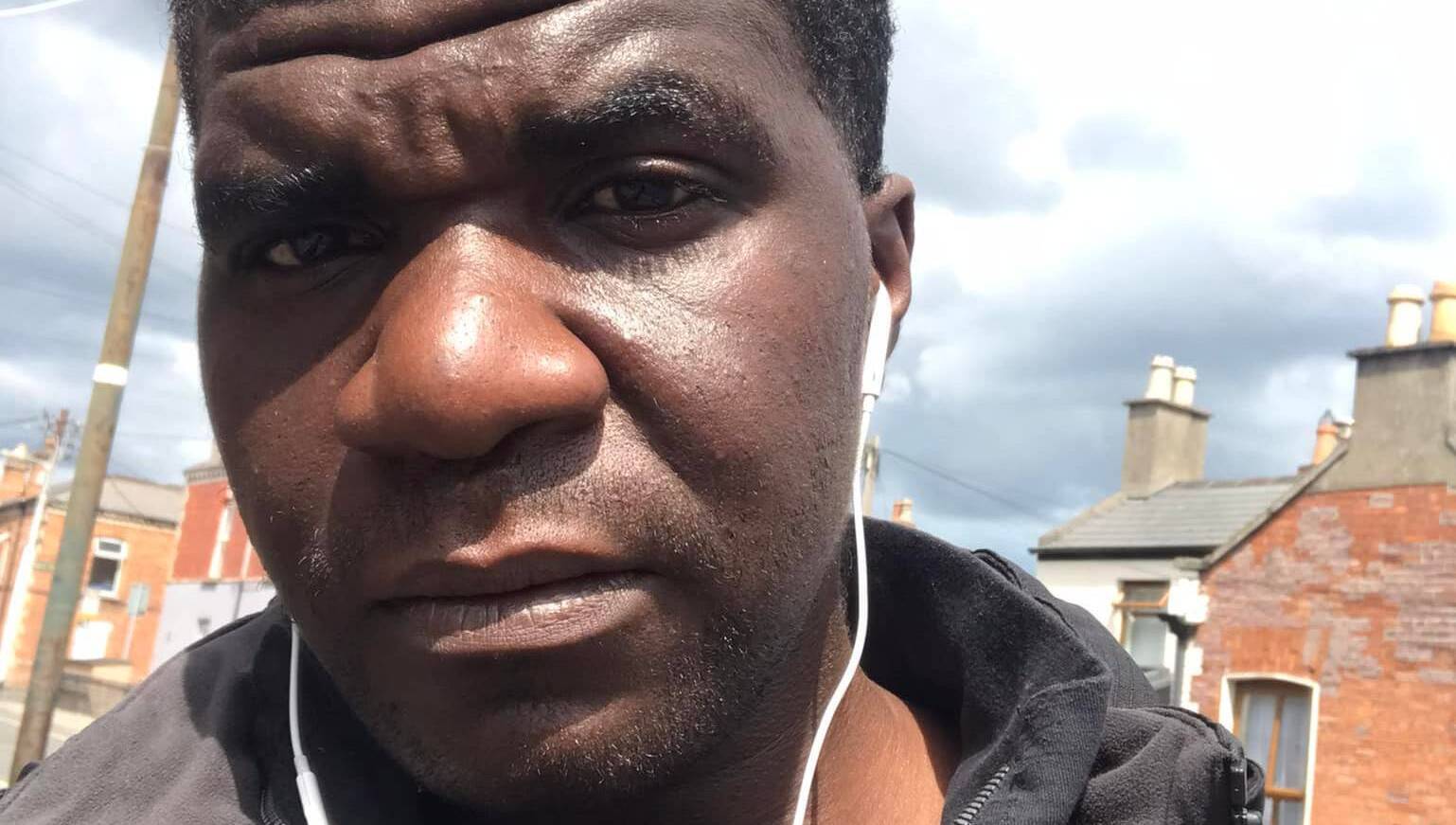
Independent expert raises concerns over Yves Sakila autopsy findings. Picture: Facebook
An independent forensic pathologist has raised concerns about the state autopsy examination carried out on Yves Sakila, including the absence of specialist examinations of his brain and heart following his death after a restraint incident in Dublin last month.
Dr David Rouse, a UK-based forensic pathologist commissioned by Mr Sakila's family, examined his remains for several hours at Whitehall City Morgue in Dublin last Tuesday and is understood to have identified a number of areas requiring further investigation.
Dr Rouse found that Mr Sakila's heart had not been submitted for a specialist cardiac examination and that his brain had not been referred to a neuropathologist for further analysis.
Concerns were also raised regarding bruising and injuries visible on the body which, according to the family, should have been subjected to more detailed forensic assessment — examinations which they say can no longer be carried out.
Read More
Mr Sakila, 35, died on May 15 following an incident at Arnott's department store on Henry Street.
He had been suspected of attempting to steal a bottle of perfume before being restrained by six security personnel.
Dr Rouse sought access to CCTV footage relevant to the incident but was unable to obtain it as part of his preliminary examination.
In his report, Dr Rouse said that in restraint cases, pathologists in the UK conduct extensive examinations and would typically send the brain to a neuropathologist while the heart would be reviewed by a cardiac specialist — neither of which, he said, occurred in this case.
The Council of Europe Recommendation No. R (99) 3 also sets out standards for medico-legal investigations where a death occurs in custody or following restraint by state authorities.
The council recommends that, in restraint cases, examinations of the heart and brain can help determine whether a death was caused by an underlying medical condition, drug toxicity, positional asphyxia, restraint-related factors or a combination of causes. It also notes that pressure and weight applied to the body can cause the lungs and heart to fail.
Mr Sakila was in garda custody at the time of his death after being arrested at the scene.
Dr Rouse's preliminary findings indicate that injuries visible on Mr Sakila's body, together with toxicology results, medical records and all available video evidence, should be assessed before any definitive conclusion is reached regarding the cause of death.
The failure to refer the heart and brain for specialist examination, he said, may now make it more difficult to establish with certainty the precise cause of death.
Dr Rouse is also understood to have highlighted features consistent with a restraint scenario and has requested access to the state pathologist's report, autopsy photographs, toxicology findings, CCTV footage, hospital records, CPR documentation and witness statements before preparing a final report. However, he has not yet obtained any of those records.
He was, however, able to view amateur footage taken at the scene by members of the public.
Toxicology tests remain outstanding and the family has been informed that results could take up to 12 weeks.
In a statement, Africa Solidarity Centre Ireland (ASCI) said the report raised "significant questions regarding the circumstances of Mr Sakila's death, the handling of key evidential material, and the apparent failure to conduct an post-mortem examination in accordance with standards and best practice commonly applied in suspected restraint-death cases in the United Kingdom".
The organisation said the findings highlighted the importance of preserving all available evidence and ensuring that the circumstances surrounding the death were subjected to a thorough and transparent investigation.
The family's solicitor, John Gerard Cullen, said Arnott's has not released anonymised CCTV footage to the family, citing what was described as an instruction from gardaí at Store Street Garda Station not to provide footage to third parties during the course of the investigation.
Mr Cullen said relatives of the deceased were "not third parties" and argued that access to the footage was essential to allow independent experts to properly assess the circumstances surrounding the death.
"Anonymised CCTV footage, in digital format, has become critical to expertly determining the situational context and effects of the restraint and in isolating the cause of death," he said.
Mr Cullen also questioned the independence of the Garda investigation, stating that Store Street Garda Station had operational responsibility for the incident and that a member attached to the station was directly involved.
Mr Sakila's body has remained at the city morgue while investigations continue. His family hopes to organise a funeral in consultation with both his biological mother, Janet Sakila, who lives in the Democratic Republic of Congo, and his stepmother, Angel Issemezey Anzibi, who helped raise him in Ireland.
ASCI said the pursuit of truth in the case was not only a matter of public interest but also a legal obligation under Irish law and Article 2 of the European Convention on Human Rights.
The Department of Justice said it could not comment on the matter while investigations remain ongoing.
In a statement, An Garda Síochána said Garda investigations are informed by the expert and independent State pathology service, which has access to a wide range of information relating to an incident that may not be available to outside parties.
Gardaí confirmed that two separate investigations are under way.
An Garda Síochána is investigating the circumstances of Mr Sakila's death, while Fiosrú, the independent police ombudsman, is examining Garda interactions with him following a referral from a Garda superintendent in accordance with procedures that apply when a person dies following contact with Gardaí.
Both investigations remain ongoing.
CONNECT WITH US TODAY



Be the first to know the latest news and updates