Vehicle incidents caused 73 farm deaths in the past decade
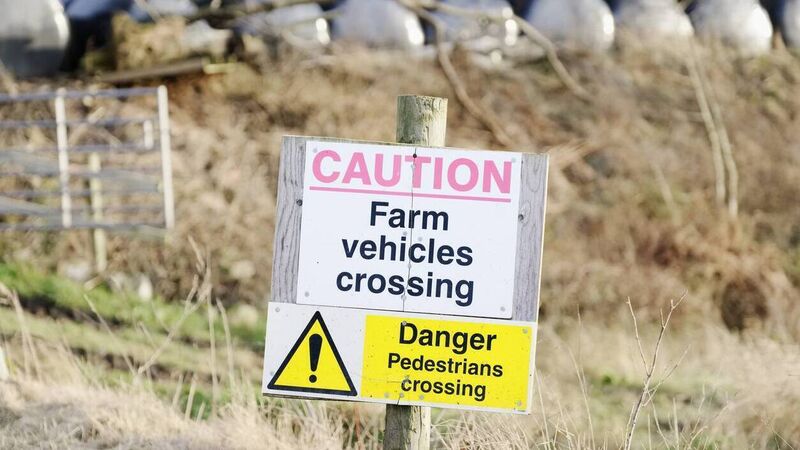
The main causes of death from farm vehicles are being crushed, struck, pinned under or falling from a vehicle.
Over the last 10 years, there have been 73 vehicle-related deaths on farms, according to the Health and Safety Authority (HSA).
The HSA will commence a national farm safety inspection campaign on March 23, focusing on the safe use of tractors, machinery, quad bikes, and other work vehicles on farms.
Vehicle-related incidents continue to be the leading cause of work-related fatalities in the agriculture sector, and the HSA is urging farmers and contractors to plan work carefully and take steps to protect themselves and others.
The main causes of death from farm vehicles are being crushed, struck, pinned under or falling from a vehicle.
Being entangled in a power take-off, crushed under a machine part, caught in a machine mechanism, crushed between vehicles, and struck by a machine object are the main causes of death via farm machinery.
Senior agriculture inspector with the HSA, Ger Hartnett, said:
"Operators need to be adequately trained and competent, and essential maintenance, especially on braking, steering, hitching systems and vehicle visibility, must be carried out before work begins.”
The HSA stresses the particular dangers when children, elderly family members or bystanders are present near farm vehicles or machinery.
The inspection campaign will also place a strong emphasis on the safe use of quad bikes, reminding farmers that proper training, maintenance and helmet use are essential.
During the campaign, HSA inspectors will be checking that farmers and contractors have:
- Planned work activities in advance;
- Ensured all drivers and operators are trained and competent;
- Checked that brakes, handbrakes, and parking brakes are fully functional;
- Maintained cabs, doors, steps and access points in good condition;
- Clean, undamaged and properly adjusted mirrors;
- Appropriate PPE (personal protective equipment) for all operators;
- Organised work to prevent children and vulnerable individuals from entering work areas.
Mr Hartnett added: “Farmers can significantly reduce their risk of serious injury by taking time to plan ahead, particularly during the busy spring period. We are asking all farmers and contractors to complete their farm safety risk assessment and to put the correct controls in place.”
For further information on farm vehicle and machinery safety, visit the HSA website.