Microchipping and tracking proposed to curb sheep worrying
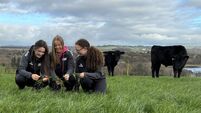
As many as 4,000 sheep are killed or injured by marauding dogs in up to 400 attacks on farms and hillsides countrywide every year
Microchipping and tracking proposed to curb sheep worrying

Dáil committee heard it was a very worrying time for farmers, with lambing under way.

The use of GPS tracking devices to monitor and trace dogs that attack sheep flocks should be considered, the Joint Oireachtas Agriculture Committee was told.

As many as 4,000 sheep are killed or injured by marauding dogs in up to 400 attacks on farms and hillsides countrywide every year.


Sinn Féin TD Martin Kenny told the committee there was a serious problem in many areas, with dogs being allowed to roam freely.

“Part of the fines mechanism could be that if someone was going to keep their dog, they have to have a tracker on them,” he said.

Mr Kenny said there needed to be additional options on the table because what was there now had not worked.

Frances MacAodhain, Department of Agriculture principal officer, with responsibility for animal identification and movement, said all those ideas were worth exploring.

Dr Lorna Meaney, deputy chief veterinary officer at the department, said statistics indicated 56% of stray dogs entering local authority pounds in 2024 were not microchipped.

“There is work to do. Consequently, the department is committed to ensuring that microchipping legislation evolves in light of new challenges and opportunities,” she said.

Dr Meaney said it planned to create a centralised microchip database which will be available to departmental inspectors, An Garda Síochána and dog wardens.

When operational, an online portal will make instantly accessible all available details relating to a registered microchip number and the dog's owners.

This will mean faster identification of stray or injured dogs, easier enforcement of legislation, better accuracy of records and a reduced administrative burden.

The department is currently engaging with stakeholders to ensure the system developed will deliver what is needed, she said.

Dr Mary McCarthy, principal officer for animal welfare, assured the committee the department was very much aware of sheep worrying and focused on it.

“Responsibility under the Dog Control Act lies with the owner. We are working on a communications strategy to get the message out to the public effectively.

There seems to be some ignorance among certain members of the public. They do not realise that they cannot bring a dog for a walk in the country and just let it roam.

“We are waiting for the report from the high-level working group to see if it has ideas as to how we can strengthen enforcement.

"Potentially, we could look at increasing fines. Education of the public is critical. We are working on a communications strategy which we hope will be ready for the lambing season,” she said.

Independent Ireland TD Michael Fitzmaurice said microchipping would be the easy one to start with. A person could have a zapper in their hand and put it near the dog to know who or what they are.

“In fairness to people, they mind dogs very well. They always say a dog is a man's best friend. If you are prepared to throw out €400, €500 or €600 for a dog, you should be prepared to microchip them.

“Most of them are microchipped now, but there is a cohort of people going around this country with dogs.

They are torturing farmers, which is not acceptable, and they are giving guff at gates when a farmer goes up to them.

"The Garda has a problem with them. You must be responsible if you have a dog, no more than if you have car or tractor.

"If your dog does harm to something, you are responsible. Until we get tough on that, we will still be talking about this issue,” he said.

Independent TD Danny Healy-Rae said a lot of Kerry was a mountainous county, especially south Kerry.

“We have a constant flow of attacks on sheep. It is coming up to lambing time now,” he said, stressing it was a very worrying time for farmers whose incomes and livelihoods were impacted.

He added: “We can see now where the problem is. We do not have enough dog wardens. There is not enough observation of the dogs going on.

"It is not right that we are leaving farmers and landowners exposed like that. We will have to put our house in order and ensure that the farmers are protected,” he said.

x

More in this section

Farming

Newsletter

Keep up-to-date with all the latest developments in Farming with our weekly newsletter.

Cookie Policy Privacy Policy Brand Safety FAQ Help Contact Us Terms and Conditions

© Examiner Echo Group Limited