Ireland's milk intake in 2025 broke record
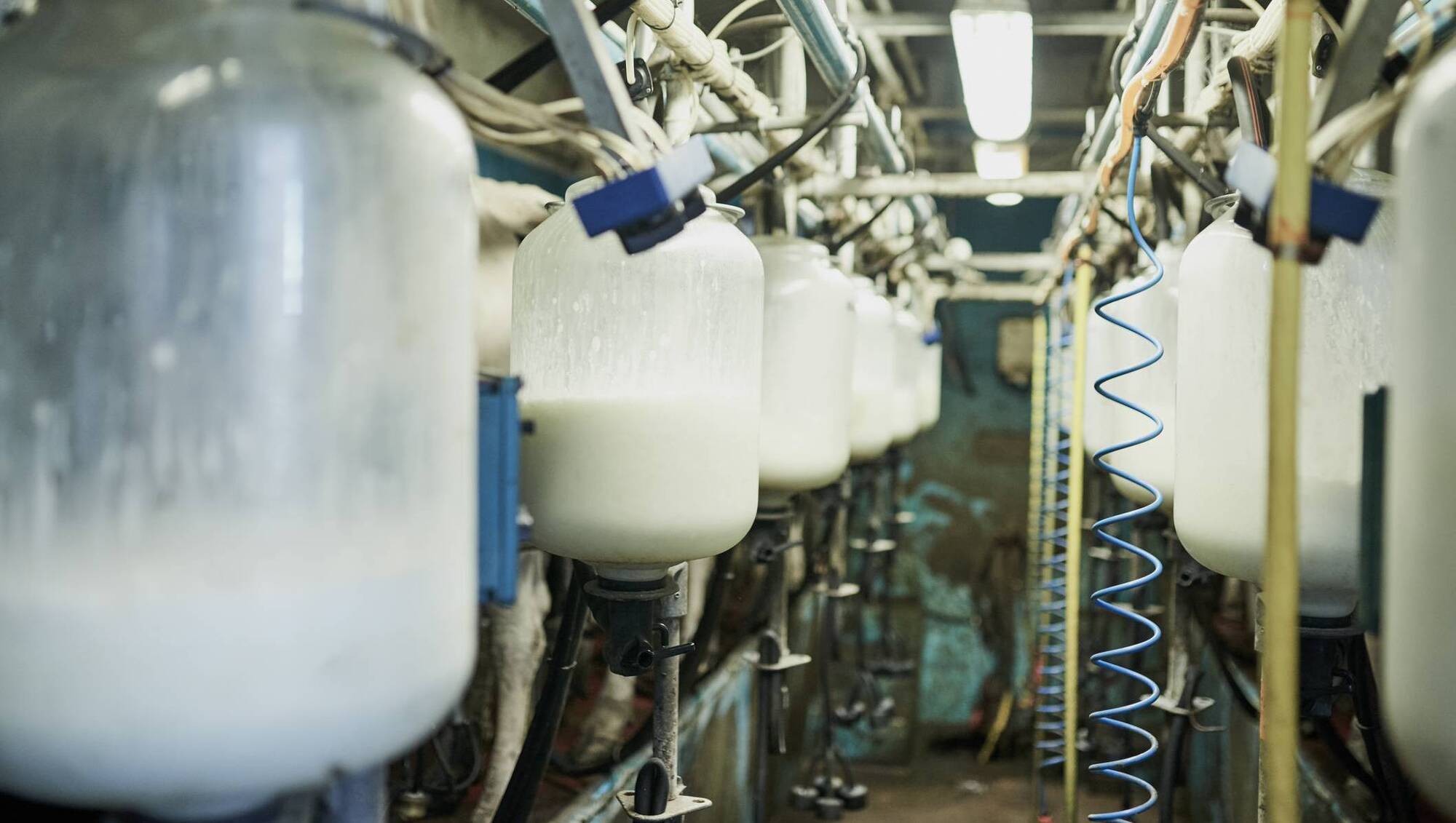
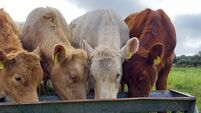
The milk prices farmers currently receive are now below the cost of production. File photo
In 2025, the volume of milk processed in Ireland was estimated at 8.84 billion litres, the highest level ever recorded.
This annual figure was an increase of 406.8 million litres (4.8%) compared with 2024 and 376.8m litres (4.5%) compared with 2023. In recent years, the closest annual intake of milk by processors and Co-Ops was 2022, with 8.82 billion litres of milk.
Commenting on the release, Stephanie Kelleher, Statistician in the Agriculture Section of the CSO, said: “Domestic Milk Intake by milk processors and co-ops for the year 2025 was the highest ever recorded.”
This record-breaking amount of milk comes at a time when farmers have experienced repeated drops in milk prices since August 2025. The milk prices farmers currently receive are now below the cost of production.
In a recent report published by the Irish Creamery Milk Suppliers Association (ICMSA), the organisation estimates that dairy farmers could experience a €1.3bn loss over the next year because of the repeated drops in milk price and low global market demand.
Speaking on the report, CEO of National Dairy Council (NDC), Emma Walls, said: “The CSO figures confirm a strong year for Irish dairy, with milk intake up nearly 5%. The growth is a real marker of the unique system that we have in the Republic of Ireland.”
Also commenting on the figures is Director of Dairy Industry Ireland (DII), Conor Mulvihill, who said: "The CSO confirmation of a record domestic milk intake for 2025 is a massive achievement for Irish dairy, proving that our sector remains a key economic engine on the island.
What is most remarkable is that we have achieved this milestone with slightly fewer cows and reduced emissions, demonstrating that our drive for sustainability and efficiency is real and delivering results.”
Continuing, Mr Mulvihill said: “While we are currently navigating a softer cycle in global commodity markets, the fundamentals of dairy remain robust, and these markets will recover.
We must hold our nerve and maintain our competitive grass-based advantage, ensuring that as we pivot further toward value-added nutrition."
During the ICMSA AGM in December, some reasons for the repeated drops were explained to attendees by Ciarán Aylward, a group economist at Ornua.
He explained that the European milk production was unprecedented as it experienced an increase of over 1%.
“That increase was driven mainly by yield per cow in the likes of Germany, France, the UK and the Netherlands,” Mr Aylward explained in December.
This, paired with an overall strong global milk supply and lower demands in markets lead to repeated milk price drops experienced by Irish farmers.
ICMSA also highlighted that milk supply has increased significantly in 2025 despite dairy cow numbers falling to their largest number since the turn of the century.
The ICMSA are calling for stakeholders in the industry to come together to work out a plan for the dairy sector over the next decade to reduce the crippling effects of the current market’s volatility.
ICMSA president, Denis Drennan, called the current milk price collapse “eerily similar” to the collapse experienced in 2016, recalling that at that time the ICMSA and other members of the constituent members of the European Milk Board (EMB) had lobbied for an EU-wide Voluntary Supply Reduction Scheme, which had an “overnight effect on milk price.”
“It ‘put a floor’ under the market, and the reality of lower volumes brought the buyers back into the market immediately to buy forward and secure supply.
ICMSA and the other specialist dairy associations right across the EU want this scheme taken back ‘off the shelf’ and reintroduced to effect a similar price stabilisation and then recovery”, said the ICMSA President.
Pointing out that time is of the essence, Mr Drennan said farmers need that ‘floor’ put under the market and recovery to begin before peak production and no later than the end of April.