More than half of children under 12 have never seen a cow being milked, research shows
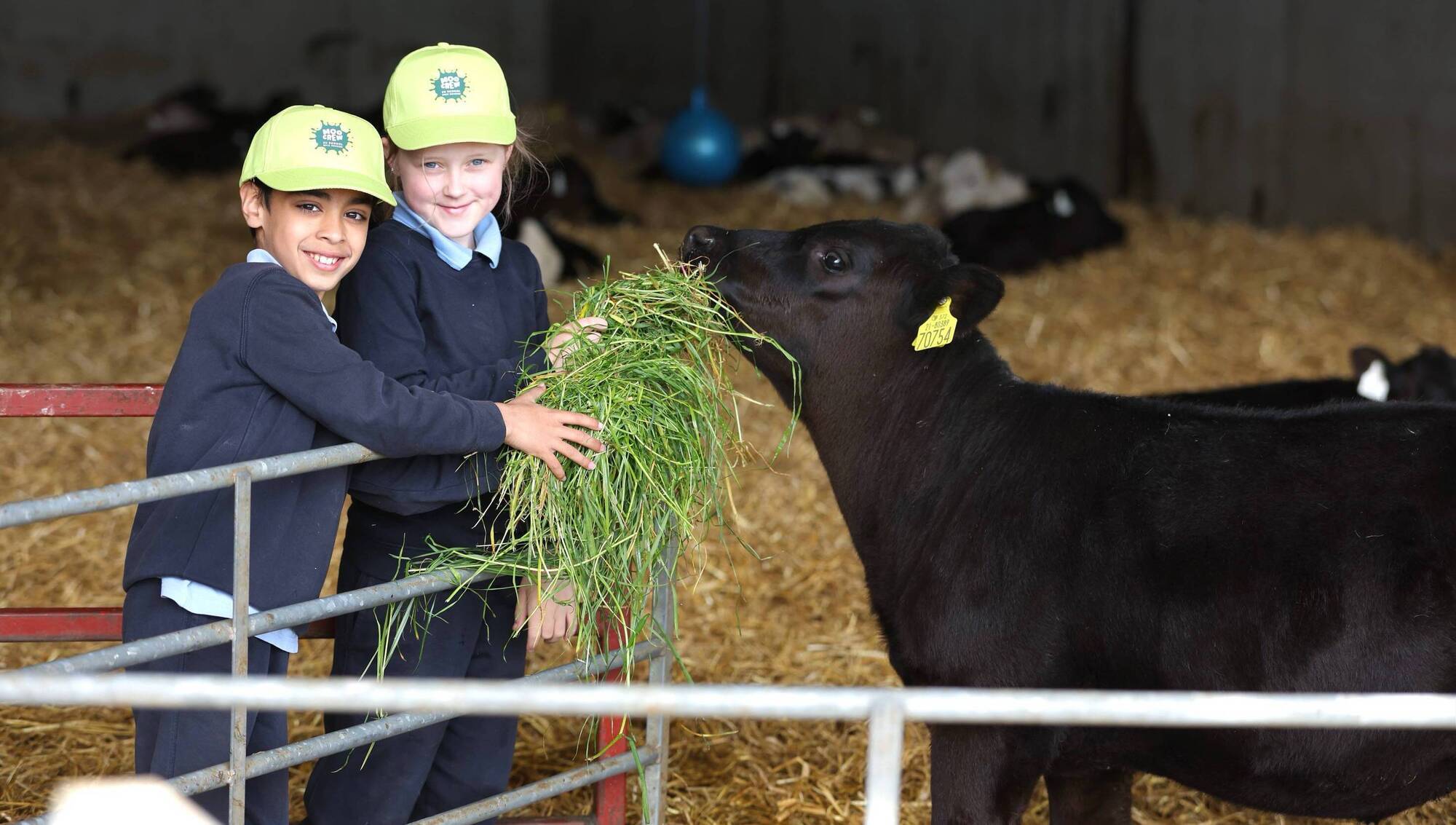
Abeer Varshikar and Nella Boylan Grimes from Stanhope Street School in Stoneybatter, Dublin, take part in the National Dairy Council's school farm visits.
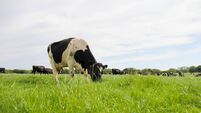
New research shows 56% of parents with children under 12 in Ireland say their children have never seen a cow being milked.
The new research commissioned by the National Dairy Council (NDC), highlights how disconnected many children have become from food production and farming.
Across the country, just 39% of parents with children under 12 say their child has had that experience, and 5% didn’t know.
Of the parents surveyed, 57% of urban parents say their child has not seen a cow being milked, compared with 51% of rural parents.
Read More
Regional breakdowns show parents in Munster are the most likely to say their child has seen a cow being milked (44%), compared with 39% in Dublin, 38% in Leinster, and 30% in Connacht/Ulster.
The research highlighted a distinct generational gap, reporting 72% of adults say they have seen a cow being milked. That figure falls to 66% among 18 to 34-year-olds and 69% among urban adults compared to 80% of rural adults.
To address this issue of lack of awareness among school children and to reconnect this cohort of our population with farming and food production, the NDC will organise a series of school farm visits across Ireland this month, with 1,500 children, 25 schools and five farms due to participate in total.
This initiative follows a successful pilot programme in 2025, which was undertaken to help bridge this widening knowledge gap. The initiative is part of the wider EU School Milk Scheme, which has operated in Ireland since 1982 and is supported through funding from the EU and the department.
The students will learn the source of food through hands-on learning on working dairy farms with education around animal welfare, grass management, milking, nutrition and food traceability.
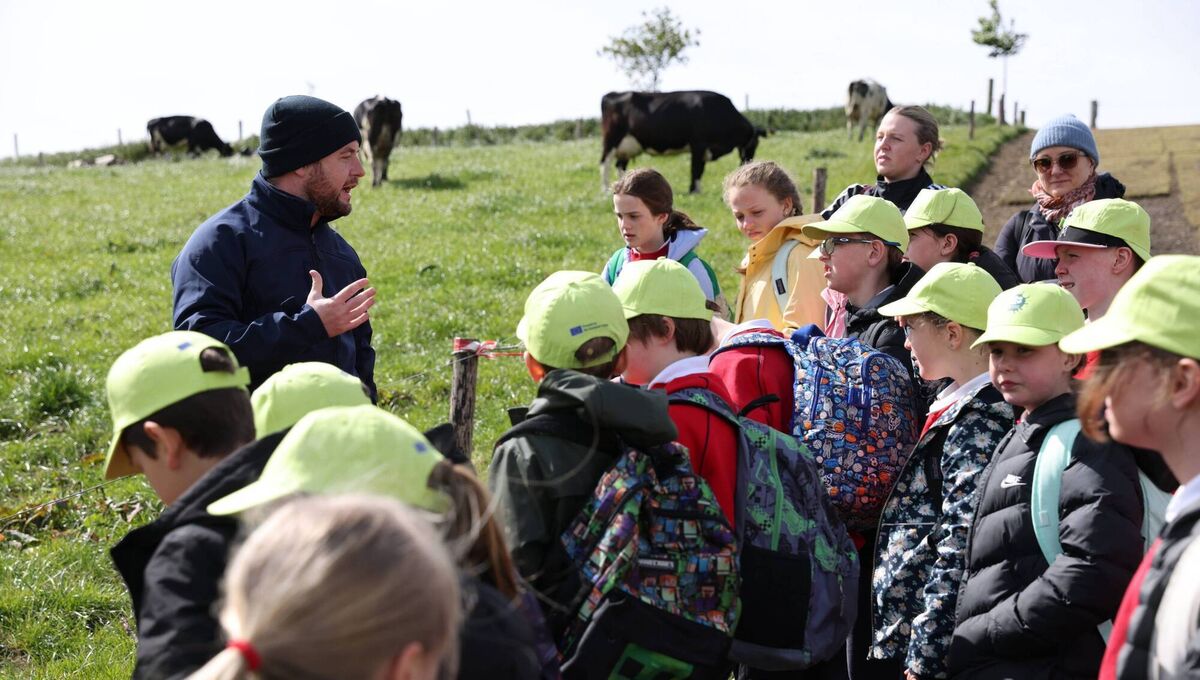
The school trips will also provide pupils with the opportunity to meet farmers, see first-hand how milk is produced, and take part in a learning journey covering areas including nutrition, milk production and life on a working farm.
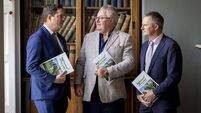
National Dairy Council chief executive Emma Walls, said: “For many children, this will be their first real experience of a working farm and their first chance to see where milk comes from, beyond their fridge or the supermarket shelf.
"Food education is strongest when children can see, ask questions and make the connection for themselves between farming, nutrition and the food they consume every day.”
The EU School Milk Scheme provides participating schools with a daily supply of milk at discounted rates, together with educational supports that promote the nutritional value of daily dairy consumption.
Teacher at Stanhope Street School in Stoneybatter, Dublin, Cliona Lowry, said: “When children step onto a farm, meet the farmer and see how milk is produced, the learning becomes real for them in a completely different way. It helps them understand where food comes from and opens up wider conversations in their world about nutrition, farming and everyday life that are much harder to bring to life in the classroom alone.”