Drought again beginning to bite in the South and East
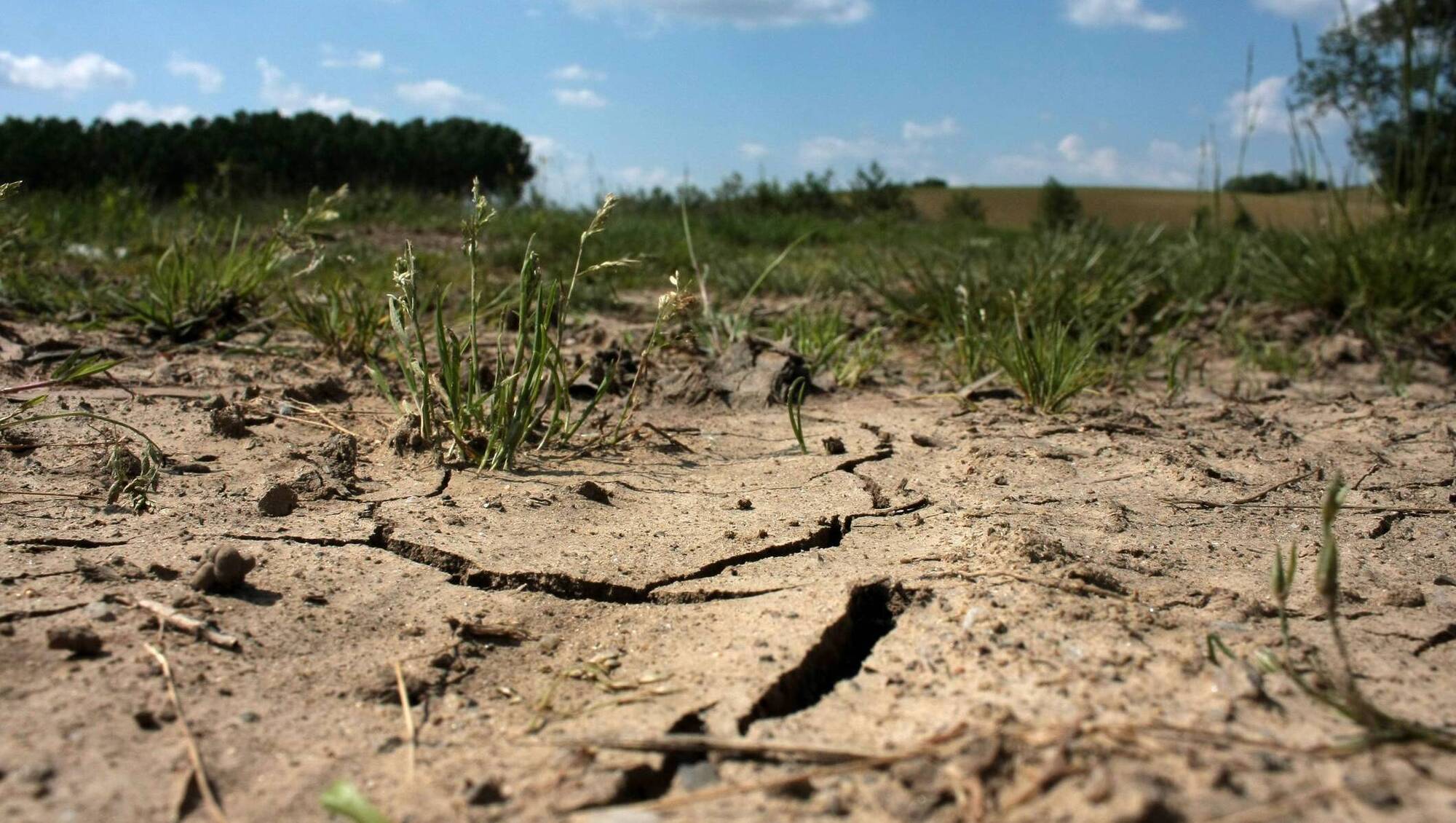
July and August are often very difficult months to manage grass in normal conditions, never mind when the crop comes under the heat and moisture deficit stress that it is currently under. Picture: iStock

I visited several farms over the last week and spoke to many more over the phone where grass supplies continue to deteriorate as a result of a significant moisture deficit. A lot of the South and East still have moisture deficits of more than two inches.
The forecast isn’t overly promising, and many dairy and some beef producers are now supplementing stock with silage or other forages.
Feed reserves for next winter are being eaten into but, thankfully, most have plenty made this year. There has been a bit of whole crop harvested over the last few weeks, and maize silage crops are advancing really well and have the potential to be bumper crops.
The drought conditions are particularly serious on dairy farms where good grassland managers had been wrapping surplus grass which had gone too strong.
Unfortunately, after wrapping the surplus and taking the first and second cuts, we have had a significant reduction in growth rates with many reporting only 30-35kg growth per day in the past week.
July and August are often very difficult months to manage grass in normal conditions, never mind when the crop comes under the heat and moisture deficit stress that it is currently under.
Where grass is good, the quality is excellent, but in many swards there is no density or substance with nothing more than stem and seed head in paddocks.
If you allow dramatic drops in milk yield at the moment, you won’t be getting that milk back for the rest of the year. Let’s look at a quick example:
Remember that when we get sufficient rain, the grass won't just appear the following day, so it will be a while before extra supplementation can stop again.
Feed up to 6kg of concentrates in the parlour and bridging any remaining deficit with silage while remaining out day and night.
This silage can be fed once per day in the morning or evening. The morning is best. Some are feeding this in the paddock by day where all cows will have access. Many yards don’t have enough head space for a morning snack where all cows would need to eat at the same time.
If feeding 6kg in the parlour, where possible, feed a bigger proportion in the morning.
Housing cows by day or night, or feeding for a few hours before or after each milking, and supplying anything between 50% and 70% of total dry matter is required to be done indoors.
In the intense heat, cows are happier indoors by day and grazing by night. If cows are in by day in winter accommodation, they will have access to several water troughs as opposed to the typical one trough per paddock. This will keep them hydrated, cooler, and encourage better appetite to maintain milk yields.
The forage supplied in this scenario varies from maize silage, whole crop, straw, bale silage, brewer's grains, distiller's grains, hay, grass silages, and zero-grazing of either outside heifer blocks or grass intended for this year's third-cut silage.
While all of these options will do the job of supplementing the remaining supplies of grazed grass on farm, some will need to be managed more carefully than others.
Maize silage, whole crop, brewer's, and distiller's clamps must be well managed with the current temperatures so that they do not heat.
For recently made bale silage or whole crop, it is important that it has fermented properly before it is fed. A high-acid loading during the fermentation process can again induce digestive upsets and scouring.
Silages in both pit and bale made more than three weeks are much more stable and a better option, where possible.
Where zero-grazing is bridging the grazing deficit, a few things need to be considered.
Grass mowed in the afternoon will have higher sugar and dry matter content, so will be more valuable to the cow per kg of fresh weight consumed.
If zero-grazing grass is fertilised for third-cut silage, what is its nitrogen content like? Will you be supplying a very high-nitrogen grass, which could be detrimental to animal performance? Excesses of protein in grass have to be processed before being excreted, which will use up energy.
Low covers of leafy grass will have very little fibre content and could potentially run through cows inducing acidosis if not complemented with a bit of fibre. Straw, hay, or dry bale silage will do this effectively.
Watching milk protein in particular is an excellent indication as to whether your cows are consuming and digesting their energy efficiently. Protein in milk produced today is a reflection of the herds energy status seven to 10 days ago.
Butter fat production is a reflection of the amount of fibre being digested by the herd in recent days, the more cud chewing, the better for butter fat. I always find it better to calculate the volume of solids produced rather than talk about percentages.
Watch out for low milk urea levels. They will be low if underfeeding protein due to low forage and or low protein grazed grass.
- Brian Reidy is an independent ruminant nutritionist at Premier Farm Nutrition.