Herd Tasks: Your weekly farming checklist
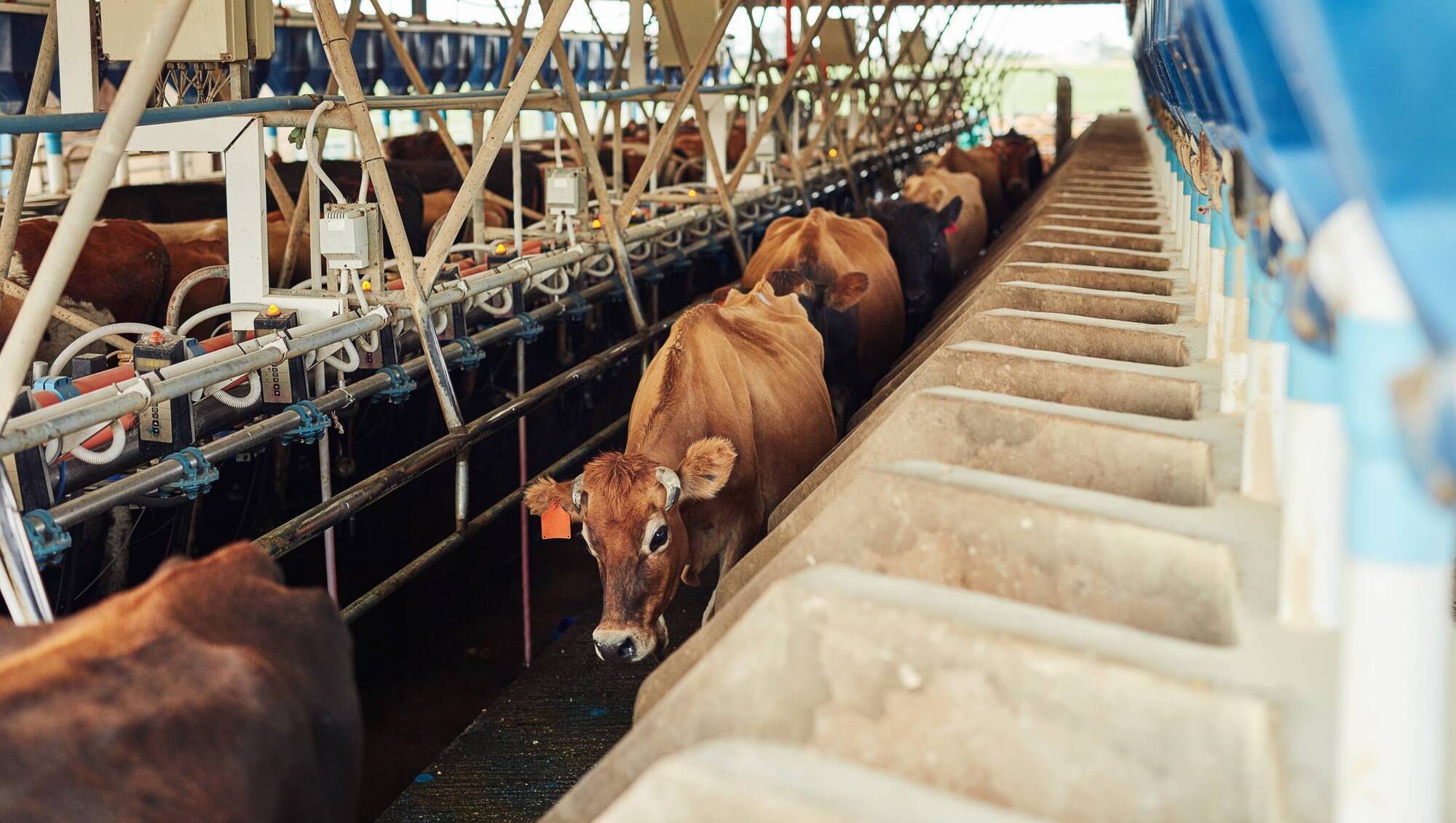
Make adjustments to rations according to your herd's performance and requirements, not those of someone else’s, advises ruminant nutritionist Brian Reidy.
- In some parts of the country, there are now significant grass surpluses, while some areas are suffering from a slight drought, and grass is not growing as fast as it had been. Take out surplus paddocks once identified.
- Some now need rain to speed up growth.
- Continue fertiliser application once paddocks are grazed in conjunction with slurry application.
- Fields that are not responding to fertiliser should be tested for P, K and lime status.
- Most have started the second round of grazing. Grazing out the second round well is critical for good quality grass in subsequent rotations.
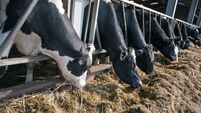
- Resist the temptation to immediately pull meal and buffers from your herd. Adjust according to your herd's performance and requirements, not those of someone else’s.
- Some second-round grass I tested recently was 13-14% dry matter, so if you pull feed fast, can you realistically expect cows to make it up from grass overnight? Transition cows down off higher feed rates slowly and if yield drops then you have reduced supplementation too far, too fast.
- If cows go back in milk when full time on grass then they are not getting enough food — address that straightaway as they will be harder to get in calf otherwise Monitor yield, solids and particularly lactose and protein to establish if they are getting and utilising sufficient energy. If ureas go too high — above 35 — then review protein supplementation and nitrogen application strategies.
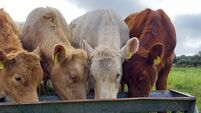
- Continue to supplement suckled cows at grass with magnesium to prevent tetany. Watch that calves, especially bulls, are not licking the mag buckets excessively.
- Watch recently turned-out calves to make sure they are drinking their mother out.
- Where creep is being fed outside, ensure birds are not soiling the feed.
- Breeding has started in spring herds so make sure cows and breeding heifers are not being restricted on grass.
- Keep accurate heat detection records. It helps with identifying problem cows so make sure to scan cows not cycling sooner rather than later.
- Bulling heifers on grass should be offered a beef mineral bucket to prepare them for the breeding season.
- Basic elements such as phosphorus and calcium are important for frame growth and saliva production/digestion.
- Cattle to be fed on grass for finishing over the coming months should be built up on feed gradually.
- Cattle being fed meal to finish on grass need little or no protein in the mix. Ensure the meal is high in energy and contains some digestible fibre.