Farm View: With Bovaer, scientific promise meets public scepticism
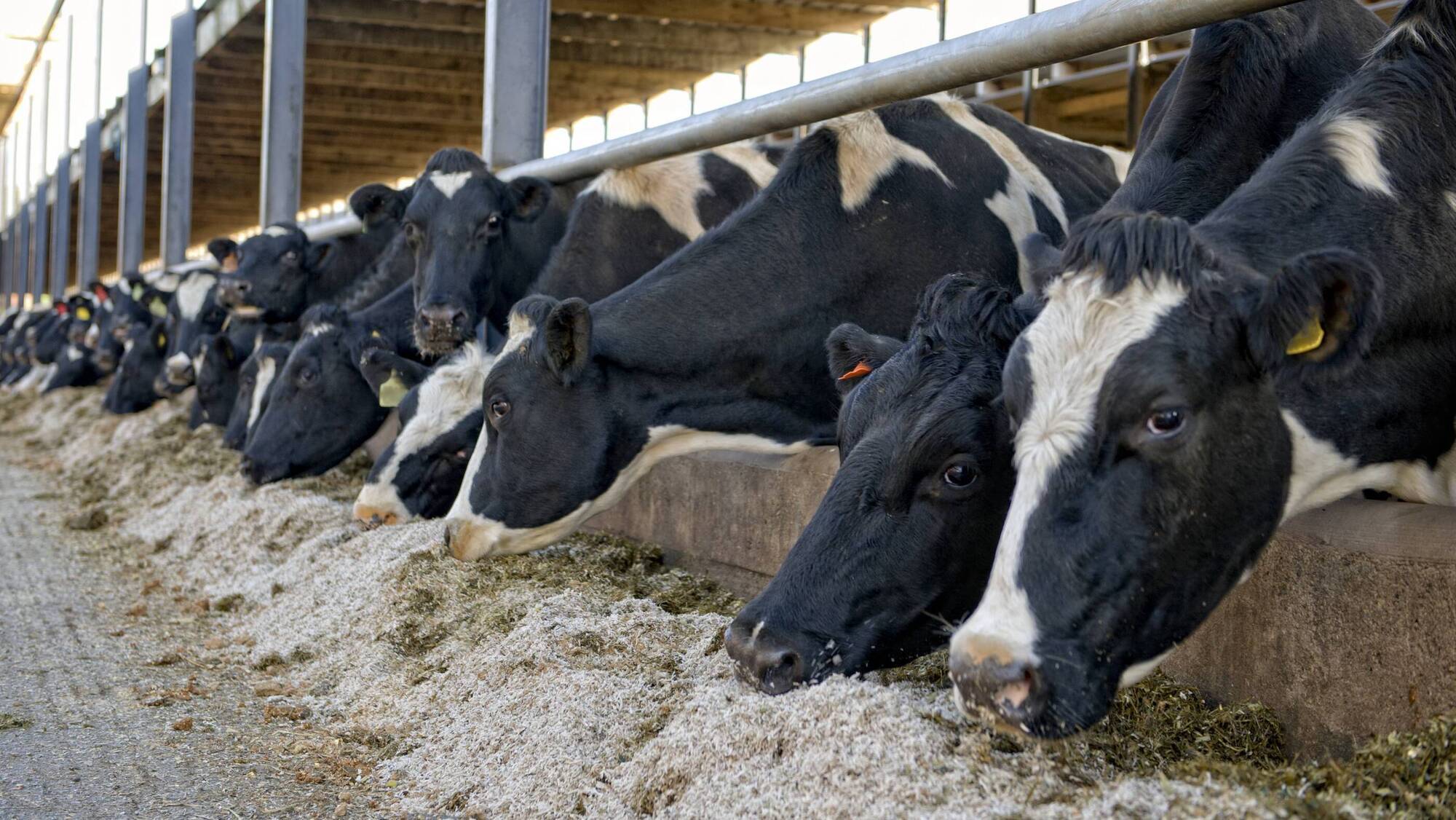
Feeding just a quarter of a teaspoon of Bovaer per day, methane emission reductions of 30% in dairy cows and 45% in beef cattle are possible, DSM claims.
In an era when agriculture is under growing pressure to curb its environmental impact, innovations that promise to slash emissions should be cause for celebration. Yet, as the story of Bovaer shows, even the best science can falter in the face of public mistrust.
I was interested to read this week that representatives from DSM at the British Society of Animal Science conference told delegates they were working on further developments with their methane-inhibiting feed supplement Bovaer.
But as most readers of these pages will know, unfortunately, scientific development is not the big challenge facing the Dutch firm's star product.
DSM has a huge public relations journey ahead. The heat might have died down over recent conspiracy theories and allegations of “poison milk”, but the whole PR disaster, which saw false claims about the safety of milk allowed to spread unchecked online for several weeks, continues to rumble on on social media.
When I first wrote about Bovaer, DSM had a publicly available report containing 52 peer-reviewed studies into its efficacy and effects. Today, that figure is almost twice as high, with 92 studies now published.
DSM claims Bovaer is the most extensively studied and scientifically proven solution to the challenge of burped methane to date. Feeding just a quarter of a teaspoon per day, reductions of 30% in dairy cows and 45% in beef cattle are possible.
Sometimes, working in the media sphere, it can feel like large corporations can be overly protective and aggressive over small nuances in published work. But the saga with Bovaer shows the danger of leaving untruths unchecked for several weeks. In this instance, silence has allowed these claims the space to spread like wildfire.
Public trust in agri-food systems is critical. It doesn't matter just how great the miracle product is at this stage, if farmers and co-ops refuse to use it out of fear of backlash.
Ultimately, efforts to radically innovate could be wasted if there is no public support for the end product — no matter how much of a miracle it might be.