Is it too early to put my stock out?
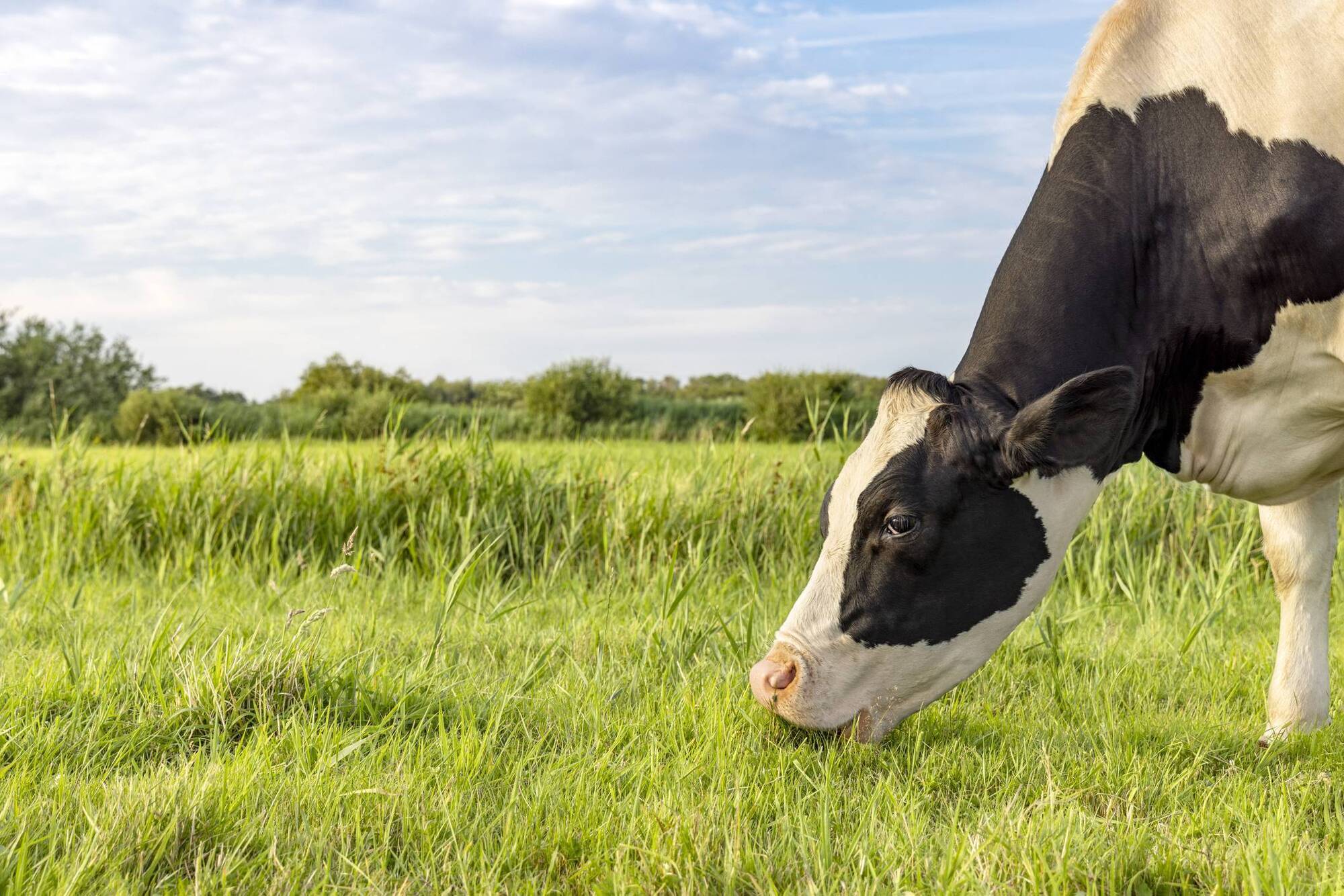
Managing grass on beef farms is often different to dairy herds as on beef farms, as cattle are generally either in or out, writes independent ruminant nutritionist Brian Reidy.
Is it too early to put my stock out?

The first grazing each spring is high in dry matter, has high fibre and has average energy content while having lower protein than any grazing throughout the rest of the year. 

After the recent cold spell and the rain in the current forecast, it would be nice to get a milder, more settled spell so that fieldwork can really get going. 

There is plenty of slurry to go out, while very little nitrogen is out yet. Most will also have a bit of fencing yet to do as it was not possible to travel fields to drive posts.


The ground needs to dry up for these jobs to be done as we get closer to turnout. Many dairy farmers have had their milkers out by day over the last few weeks when conditions allowed. 

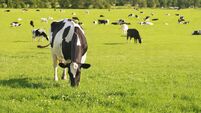
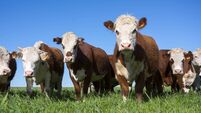
Stock on beef herds will be turned out to grass soon if weather permits, as there are excellent covers out there that need to be grazed off to kick-start growth and allow for slurry to be spread. 

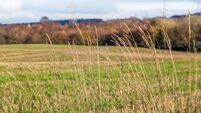
There is plenty of grass in paddocks as growth was very good since closing last autumn up until recently. 

Those lucky enough to spread slurry earlier in the year report that grass has greened up and is ready to take off once soil temperatures increase. Applying nitrogen in anticipation of soil temperatures rising a few degrees will mean that ground is ready to drive on.

How much grass can your cattle realistically eat?

An appreciation of the quantity and quality of grass that is available to our cattle is the starting point. The first rotation of grazing this year is of ok quality, but it has had some weather burn and stress over the last month. 

Grass that has yet to be fertilised or have slurry applied has gone yellow lately and could do with nutrients to kickstart it for the spring.

The first grazing each spring is high in dry matter, has high fibre and has average energy content while having lower protein than any grazing throughout the rest of the year. 

All of this matters when trying to achieve optimum performance from your animals. Low proteins will reduce appetite. Bare this in mind, in particular, with heifers that you will be breeding later in the spring. 

Supplementing these with some concentrates, including minerals post-turnout, will keep them growing and improve subsequent fertility performance. 

This is of most importance where the target is to calve these heifers at 24 months. 

In terms of intake, a beef animal will consume 2 to 2.2% of their own body weight in dry matter. For a 320kg heifer, that is 6.4-7kg of dry matter. This equates to 30-33kg fresh grass per day at 18-21% DM. 

These animals will typically have eaten 23-27kg of feed standing at a barrier in the shed. They must walk and pull grass from the sward while grazing. This will take them time to settle into.

Grazing sward management

As the grass available in the first rotation is a dry material (approx 18 to 21% DM) stock will be slower going through swards than you might expect as stock settle outdoors. 

Allocating too much grass will result in a lot of waste, particularly in the first few days post-turn-out, as animals will tend to do a lot of walking. 

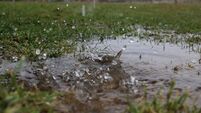
In heavier soils or in the current wetter conditions, animals will also drag clay around on their hoofs, dirtying swards. 

Badly poached swards at this time of year can result in very low grass utilisation and be detrimental to subsequent grass quality and yields. 

Grazing lower covers at turnout makes sense as stock will graze lower covers better as they are getting used to grazing after the winter. 

This will also mean that when you are grazing heavier covers in March, then the first rotation will go slower, if you require it to be stretched.

It also means that if you have lots of grass and need to move on to the second rotation, you have meaningful volumes of grass to mow. 

Managing grass on beef farms is often different to dairy herds as on beef farms, as cattle are generally either in or out. The opportunity to 'on-off' graze doesn’t exist for most due to labour and infrastructure constraints. 

At home, we won't turn stock out until we are nigh on certain that they can stay out until next winter, I am pretty sure most beef herds are the same.

  • Brian Reidy is an independent ruminant nutritionist at Premier Farm Nutrition.

More in this section

Farming

Newsletter

Keep up-to-date with all the latest developments in Farming with our weekly newsletter.

Cookie Policy Privacy Policy Brand Safety FAQ Help Contact Us Terms and Conditions

© Examiner Echo Group Limited